
Super Typhoon Ragasa struck Hong Kong with heavy rain suddenly. Streets and buildings were submerged under rapidly rising flood water. A hotel flooded dramatically leaving many guests trapped inside rooms. Videos show water rising as if inside a giant aquarium. Residents watched in shock as floods covered lower floors quickly. Many tourists and local citizens were evacuated by emergency teams. Authorities issued Multiple Warnings ahead but water surged unexpectedly fast. The storm caused major disruption across Hong Kong city districts extensively. Ragasa is one of the strongest typhoons this season so far. Emergency services worked continuously to rescue stranded citizens efficiently and safely. The flooding highlighted Hong Kong’s vulnerability to extreme storm events repeatedly. Citizens faced property damage, stress, and disrupted daily routines seriously.
Background of Super Typhoon Ragasa
Typhoon Ragasa formed in the Pacific Ocean over warm waters. Meteorologists tracked its path carefully toward East Asia and Hong Kong. Ragasa gained strength with high winds, heavy rain, and waves. Forecasts predicted flooding in low-lying coastal areas and streets. Authorities issued red alerts for districts and high-risk buildings promptly. Past typhoons have caused similar flooding and damage in Hong Kong. Residents are advised to prepare homes, vehicles, and property in advance. Ragasa’s speed and intensity made it difficult to control damage efficiently. Meteorologists warned of landslides, broken infrastructure, and power outages. Government agencies coordinated emergency responses across districts quickly and effectively. Storm trackers reported heavy rainfall and winds lasting multiple hours continuously.
Impact on Hong Kong Hotel
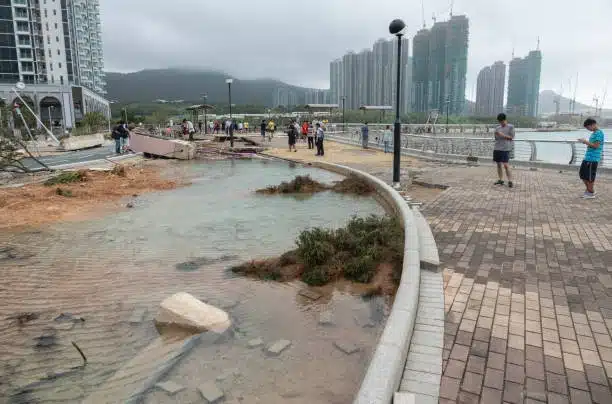
One hotel flooded rapidly, trapping guests on lower floors completely. Water entered rooms like a moving aquarium with furniture floating. Guests posted videos showing chaos and water level rising fast. Staff struggled to keep guests safe during the flooding emergency. Many guests were moved to higher floors for safety quickly. Belongings and property inside rooms were damaged heavily by water. Firefighters and rescue teams arrived to assist stranded people promptly. Residents and tourists warned others about the dangers of low floors. Emergency protocols helped reduce injuries but stress remained high. Staff worked overtime to move guests and secure valuables efficiently.
Effects on City Infrastructure
Ragasa caused streets, tunnels, and subway lines to flood rapidly. Public transport including buses, trains, and ferries was suspended temporarily. Power outages occurred in multiple districts due to storm damage. Traffic jams and roadblocks created additional challenges for residents and workers. Emergency services deployed boats, vehicles, and helicopters to reach stranded citizens. Bridges, roads, and low-lying areas suffered heavy Water Damage Extensively. Cleanup operations began immediately after water levels dropped slowly. City authorities are assessing long-term damage to infrastructure and buildings.
Response by Authorities
Hong Kong government issued storm and flood warnings promptly and widely. Emergency services evacuated affected areas and provided temporary shelters for displaced people. Rescue teams worked continuously to remove stranded residents safely and efficiently. Authorities coordinated with hospitals to assist injured, ill, and elderly individuals. Firefighters used boats, vehicles, and pumps to reach flooded locations quickly. The government urged citizens to avoid unnecessary travel during the storm period. Relief operations provided food, water, and temporary housing for victims. Officials are investigating hotel safety protocols for future storm protection. Coordination between agencies helped minimize casualties and loss of life substantially.

Public Reaction and Social Media Coverage
Social media was flooded with videos of hotel flooding instantly. Citizens shared images showing water levels reaching ceilings quickly in rooms. Tourists expressed fear and surprise at sudden rising waters everywhere. Residents criticized city infrastructure for poor drainage in several areas. News agencies reported widespread flooding, evacuations, and rescue Operations Immediately. Many praised emergency teams for rapid, brave, and effective response efforts. Online discussions focused on typhoon preparedness, safety measures, and planning. Social media helped spread warnings, rescue updates, and safety instructions. Videos of furniture floating like in aquariums went viral worldwide rapidly. Public concerns highlight the need for stronger storm defenses and planning. People shared tips for future typhoon safety and evacuation strategies.
Potential Long-Term Effects
The storm caused major property, financial, and social damage in Hong Kong. Hotels, businesses, transport systems, and infrastructure will face repair costs soon. Residents may relocate temporarily from flood-prone areas for safety reasons. The government will analyze storm data to strengthen disaster preparedness strategies. Awareness campaigns will likely increase for citizens during typhoon seasons. Businesses and residents may invest in flood prevention equipment and measures. Lessons learned will influence Hong Kong’s emergency planning and disaster policies. Recovery may take weeks for families, businesses, and communities alike.
Conclusion
Super Typhoon Ragasa flooded a Hong Kong hotel dramatically like an aquarium. Guests were trapped, and emergency services worked fast to rescue them. Streets, transport, and buildings faced major flooding, power outages, and damage. Authorities warned residents, evacuated citizens, and provided temporary shelters during the storm. Social media shared videos showing chaos, water rising, and floating furniture. Cleanup, repairs, and insurance claims will continue for several weeks. Hong Kong faces long-term challenges from extreme weather events and storms. Lessons learned may improve disaster planning, emergency response, and public safety. Citizens, tourists, and businesses must follow warnings, guidelines, and safety instructions. Typhoon Ragasa highlights the urgent need for stronger infrastructure against floods. Government, emergency teams, and citizens will continue monitoring weather closely.
Other Articles



[…] creates a dangerous combination. Water from storms and hurricanes can enter the city more easily. Flood protection systems are under pressure, and experts say future storms could cause even worse […]