
Ethical Tourism Landmark Decision.
Bali, an Indonesian island, has made a long way in ensuring the protection of animals and sustainable tourism after the official ban of the practice of using elephant rides in the nation. The shift can be seen as a sign of the growth of interest in animal welfare at the international level and the need to engage in more ethical tourism.
As one of the most visited tourist attractions in the world, Bali cannot lack millions of visitors every year. But with the increasing concern about the problem of animal abuse in tourist attractions, governments have been thinking about revising the traditional tourist attractions.
Background: Wildlife tourism and Bali animal attractions
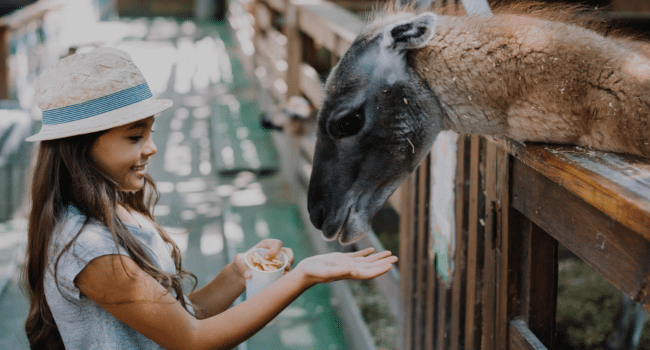
All this wildlife-based tourism, where the tourist rides on the elephants, shows and photo tours, is a hallmark of the tourism industry in Bali for decades. They were typically sold to foreigners as cultural tours.
However, the maltreatment of animals in such parks has been objected to. The core issue that the organisations and activists argue is that the practice has the potential of causing stress, unease and irreparable harm to the elephants.
The official Prohibition and Change of Policy.
The government of Bali has officially prohibited elephant rides on the Island. The policy is going to be put in place to guarantee ethical tourism and to increase the welfare of animals.
Through this decision, an important shift in the manner in which tourism is managed in the region is raised. Tourism activities like conservation-based and environmentally friendly activities are now taking centre stage as opposed to exploiting animals as entertainment.
The Ban Motivation
The main reason why the ban is necessary is to prevent the exploitation of the elephants. Reports and research have been able to highlight that ridden elephants have been exposed to a lot of stressful training and unnatural routines of life.
The Bali government believes that no animal torture can be in the name of tourism. The government is making an attempt to align the operations associated with tourism with the existing moral values, and this is the reason why it has banned elephant rides.

Ethical Tourism Trends.
The transfer is indicative of a general international trend of responsible tourism. The passengers are increasingly conscious of the impacts of their activities on nature and wildlife in the contemporary world.
Animal attractions are being substituted by eco tourism, conservation-related experiences and wildlife reserves as an alternative to the traditional wildlife attractions. This decision of Bali makes it one of the pioneers in responsible tourism in Southeast Asia.
Impact on Local Tourism Industry.
The ban will directly impact the businesses that were established on the basis of the attraction of the elephants in the past. Such activities will cost operators some money due to a loss of track.
The government is, however, trying to encourage the tourism providers towards more sustainable products, which encompass nature tours, cultural and wildlife conservation programs.
Protection and Care of Animals.
One of the greatest impacts of the ban is improved animal welfare. The environment and the repeated performances are unnatural and impose physical and psychological stresses on the captivity of elephants.
Bali envisions that under this policy, it can offer safer conditions for animals and also help in conservation to enable animals to be more natural and free.
Reaction of the population and the tourists.
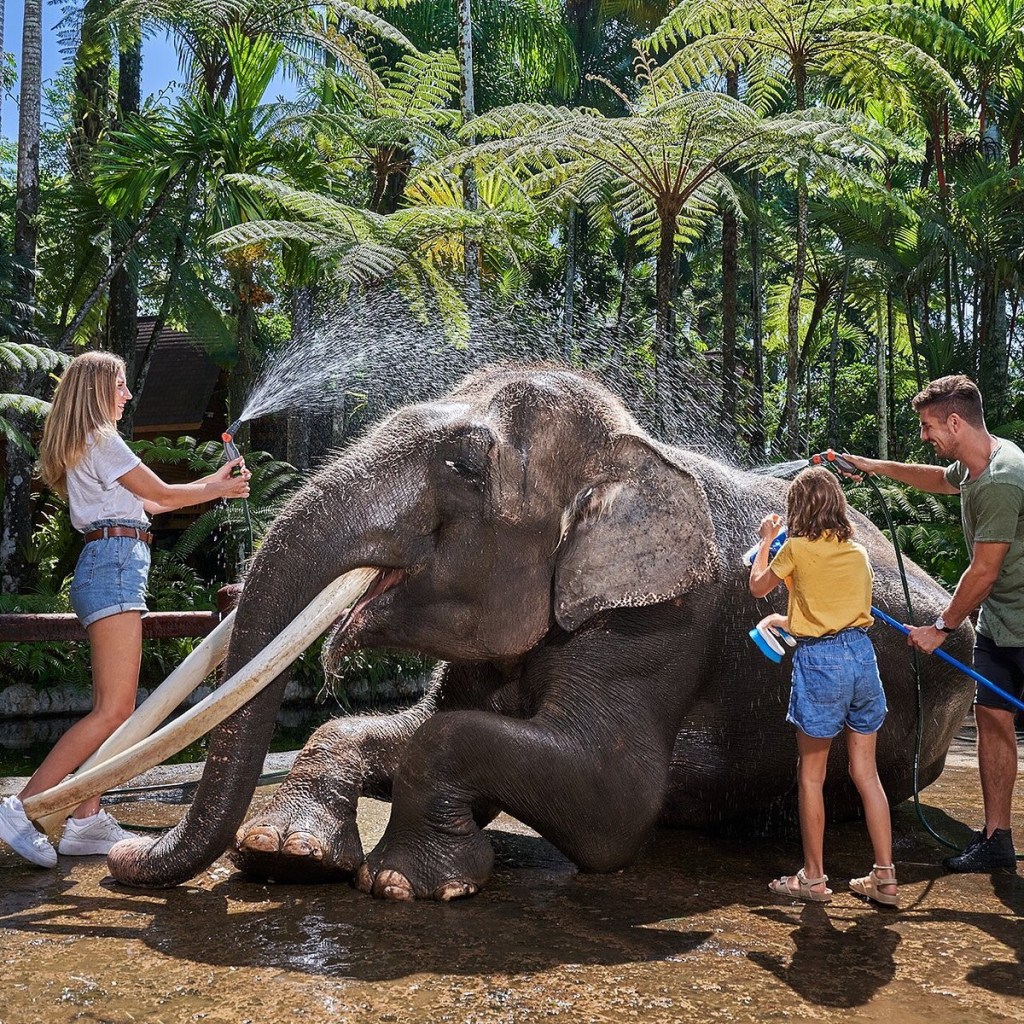
The ban has been received well by animal rights groups and eco-travellers. It is a significant step towards responsible tourism for many.
However, some of the tourists and businesspeople have been lamenting that they have nothing to do with the activities and economic impacts. Nevertheless, irrespective of the contradicting concepts, the world community is much inclined towards ethical tourism.
International impact and image of Tourism.
This relocation by Bali can impact the other resorts that are still offering animal entertainment. As one of the largest tourism attraction sites in the world, Bali is an example to be emulated in matters relating to responsible tourism in the region.
By implementing this ban, the island strengthens its image as an environmentally conscious and responsible destination and attracts a new generation of responsible tourists.
Future of the Bali Tourism.
The future of Bali tourism will be more cultural heritage, nature exploration, friendly and green. Some of the activities that are likely to be popular include trekking, marine conservation tours, and cultural village visits.
This shift as well can contribute to the diversification of the Bali tourism sector and reduce reliance on the controversial tourist attraction sites like the elephant rides.

Economic Reorientation and Realignment of Industry.
By deciding to prohibit the practice of riding the elephants, Bali has made a move in the right direction, as the tourism operators in the area who depended on the animal-based tourism. Despite the fact that the policy is rooted in ethical and environmental concerns, it introduces a sense of utter necessity of economic transformation in the tourism sector.
The companies that might have fun rides with the elephants will be forced to consider their overall revenue structure in a new market to enable them to survive.
A great proportion of the tourism operators will then resort to other forms of experiences, such as eco-safaris, cultural village tours, and nature conservation activities. The fact that these alternatives are not only in line with the international ethical norms, but also more lucrative in the long term regarding income opportunities, also speaks in their favour.
This transformation can help show the way the regulatory changes can revolutionise entire industries over the long term.
The other critical factor is job displacement and retraining. Workers in the elephant ride industry will remain in the dark since the industry will have been changed into non-animal tourism. Such workers, with great government support and training programs, could, however, be redirected towards serving the eco-tourism, hospitality and conservation programmes.
On the branding side, the step taken by Bali will boost its global perception as a tourist destination that is environmentally and progressively conscious.
As the competitive tourism market increases, the availability of more sustainable destinations is expected to attract higher-value tourists with the ability to afford ethical tourism. That would even perhaps offset short-term losses of the traditional operators.Otherwise, the ban is also a by-product of the larger consumerism trend throughout the world. The modern-day tourist is increasingly aware of the environment and ethical issues more than ever.
The use of social media, documentaries and advocacy campaigns has helped in the significant change in perception of the population regarding the issue of animal tourism. Due to this, the destinations that remain unchanged are threatened of being phased out in the long term.
A Step Towards Responsible Travel.
The introduction of an official ban on elephant rides in Bali is a big step towards changing the world tourism habit. Emphasising animal welfare and ethical travelling, Bali leads the other destinations.
Even though the move will lead to some businesses going out of business, long-term benefits which will come after animals, the environment and sustainable tourism will override the short-term effect the move will have on the economy.


