Egypt officially ended camel and horse rides at the Pyramids of Giza as part of a plan to improve tourism, protect animals, and modernize one of the country’s most famous historical sites. For many years, camel and horse rides were a popular activity for visitors. At the same time, there were many complaints about animal welfare, tourist scams, and poor management.
The new decision has received attention from people across the world. Animal welfare groups have welcomed the move, while many local workers are worried about losing their jobs. This article explains why Egypt made this decision, what will change for tourists, and what it means for the future of the Giza Plateau.
Why Did Egypt End Camel and Horse Rides?
The Egyptian government wants to improve the visitor experience at the Pyramids of Giza. Officials have also faced pressure from animal welfare organizations that reported poor treatment of camels and horses working at the site. Reports described animals working long hours in high temperatures with limited food, water, and medical care.
The government believes modern transport will make the site cleaner, safer, and easier for visitors.
Animal Welfare Was a Major Reason
Many organizations spent years asking Egypt to stop animal rides at the pyramids.
Investigations showed some horses and camels were beaten, overworked, or left without proper care. Animal rights groups shared photos and videos that received international attention. As a result, many travel companies removed camel and horse rides from their tour packages.
The decision is seen as a step toward improving animal welfare at one of the world’s most famous tourist attractions.
What Will Replace Camel and Horse Rides?

Instead of using animals, Egypt plans to use electric buses and electric vehicles to transport visitors around the Giza Plateau. These vehicles are expected to reduce pollution and make travel easier, especially for families, elderly visitors, and people with disabilities.
Visitors will still be able to enjoy the pyramids, but without using animals for transportation.
Better Experience for Tourists
Many tourists have enjoyed camel rides over the years. However, others reported problems such as:
- High prices after the ride started.
- Aggressive sellers.
- Requests for extra tips.
- Poor treatment of animals.
- Safety concerns.
Many travelers have shared similar experiences online for several years.
The new system aims to create a calmer and more organized visit.
Impact on Local Workers
Not everyone supports the decision.
Many local families depend on camel and horse rides as their main source of income. Some workers have offered these rides for generations.
The government may need to provide new jobs or training programs to help these families move into other tourism services. Finding a balance between protecting animals and supporting local communities will be an important challenge.
How Travel Companies Responded
Several international travel companies stopped selling camel and horse ride experiences even before Egypt’s latest decision.
Companies said they wanted to support responsible tourism and avoid activities linked to animal cruelty. Large travel brands, hotel groups, and online booking platforms removed these experiences from their websites after reviewing animal welfare concerns.
This showed that responsible tourism is becoming more important for travelers around the world.
What Tourists Can Expect Now
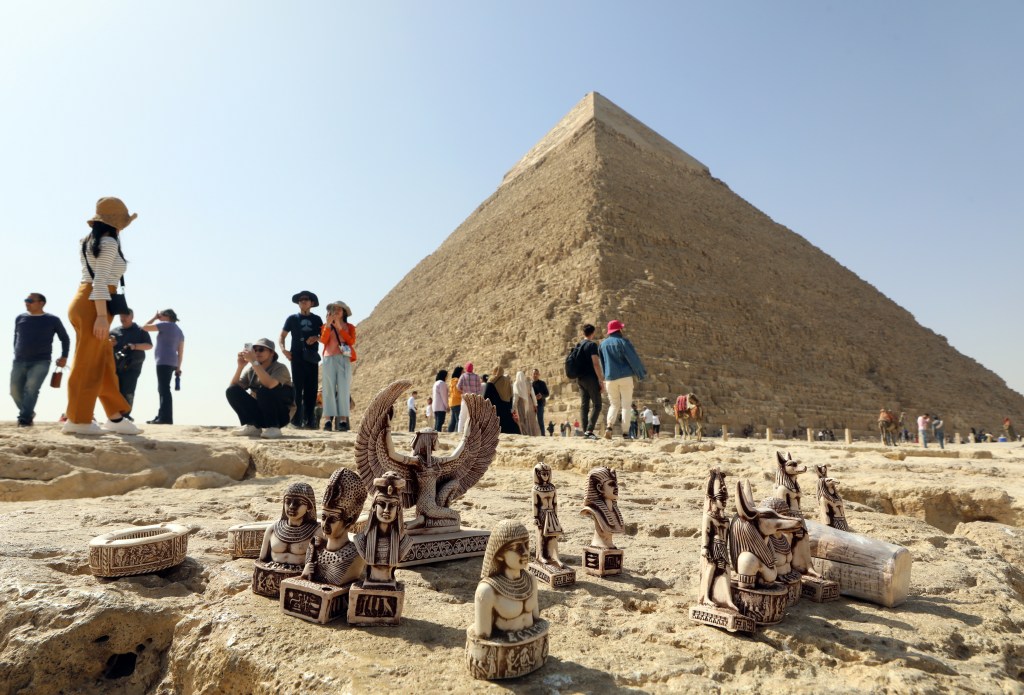
Visitors can still enjoy everything that makes the Pyramids of Giza special.
They can:
- Walk around the historic site.
- Use electric shuttle vehicles.
- Take photographs from viewing points.
- Visit the Great Sphinx.
- Learn about ancient Egyptian history.
- Explore nearby museums and visitor centers.
The pyramids remain one of the most famous travel destinations in the world.
Benefits of the New Policy
The decision offers several possible benefits.
Better Animal Protection
Camels and horses will no longer be required to carry tourists throughout the day, reducing the risk of overwork and poor treatment.
Improved Visitor Safety
Electric transportation provides a more controlled system with fewer opportunities for scams and unsafe situations.
Cleaner Environment
Electric vehicles produce less pollution and help protect the historic site.
Modern Tourism
Many countries are moving toward eco-friendly tourism. Egypt’s decision supports this trend and may improve its international image.
Challenges Egypt May Face
Although many people support the change, there are still challenges.
These include:
- Helping workers who lose income.
- Managing large numbers of tourists.
- Maintaining electric vehicles.
- Educating visitors about the new system.
- Protecting local businesses that depend on tourism.
Success will depend on how well these issues are managed over the coming years.
Global Reaction
The announcement has received mixed reactions.
Animal welfare groups praised Egypt’s decision and called it an important step for protecting working animals. Travel experts also believe the move could improve Egypt’s reputation as a responsible tourist destination.
Some local business owners, however, remain concerned about their future and hope the government will provide financial support or alternative employment.
The Future of Tourism at the Pyramids
The Pyramids of Giza attract millions of visitors every year.
Modern transportation, improved facilities, and better management may encourage even more tourists to visit in the future. Egypt is also investing in new visitor services around the Giza Plateau to improve the overall experience.
The goal is to protect one of humanity’s greatest historical sites while creating a better experience for visitors.
Conclusion
Egypt officially ending camel and horse rides at the Pyramids of Giza marks an important change in the country’s tourism industry. The decision focuses on improving animal welfare, creating a safer visitor experience, and modernizing transportation around one of the world’s most famous landmarks.
While the change creates challenges for local workers, it may also help build a more sustainable future for tourism in Egypt. As new electric transport systems replace traditional animal rides, visitors will continue to enjoy the beauty and history of the Pyramids of Giza in a different way.
Other Articles