
Rising Danger in New Orleans
Scientists are warning that New Orleans may have reached a dangerous stage where climate problems, flooding, and land sinking are becoming too serious to control. Experts say some areas are now at a “point of no return,” meaning the city may not recover from future environmental damage.

For years, New Orleans has faced hurricanes, heavy rain, and flooding. But now researchers believe the risks are growing faster than the city can handle. Many scientists are asking local leaders and residents to start thinking about long-term relocation plans.
Why Scientists Are Concerned
One major problem is that New Orleans is slowly sinking. This process is called land subsidence. Some parts of the city sink a few centimeters every year. At the same time, sea levels continue to rise because of global warming.
This creates a dangerous combination. Water from storms and hurricanes can enter the city more easily. Flood protection systems are under pressure, and experts say future storms could cause even worse destruction.
Scientists also warn that stronger hurricanes are becoming more common in the Gulf Coast region. Warmer ocean temperatures give storms more power and increase the amount of rainfall.
Hurricane Damage Still Fresh
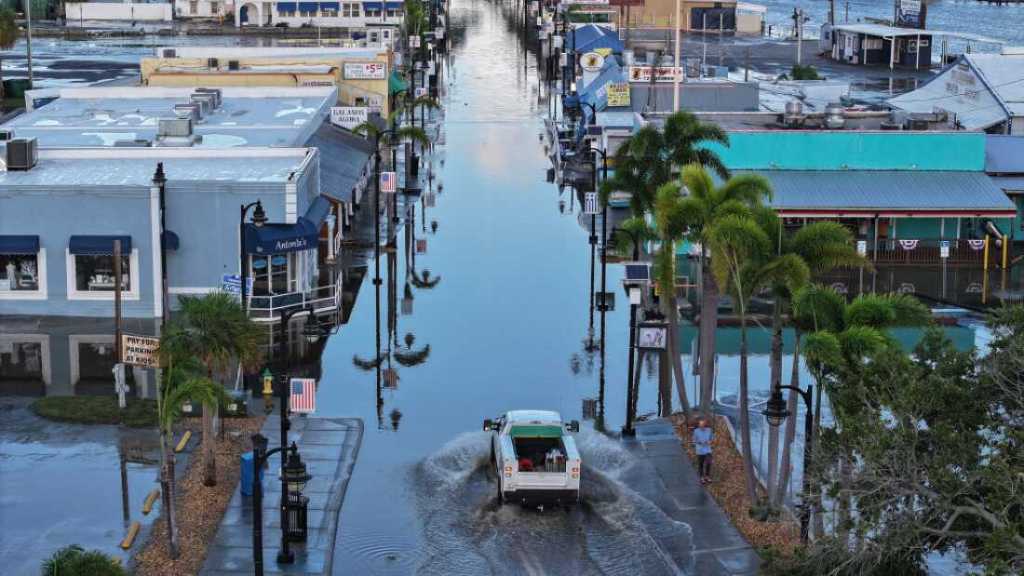
Many people still remember the destruction caused by Hurricane Katrina in 2005. The storm killed more than 1,800 people and caused massive flooding across New Orleans.
After Katrina, billions of dollars were spent on flood walls, pumps, and levees. These systems improved protection, but experts now say they may not be enough for future climate threats.
Heavy rainstorms in recent years have already shown signs of weakness in the city’s drainage systems. Streets often flood quickly, even during normal storms.
Residents Face Difficult Choices
Scientists are not saying everyone must leave immediately. However, they believe families should start preparing for the future. Some experts suggest moving to safer areas over time instead of waiting for another disaster.
For many residents, relocation is not easy. New Orleans has a rich culture, famous music, historic neighborhoods, and deep family connections. Many people do not want to leave the city they love.
The cost of moving is also a major problem. Lower-income families may struggle to afford relocation or buy homes in safer regions.
Government Under Pressure
Local and federal governments are facing growing pressure to improve climate planning. Experts say officials must invest in stronger infrastructure, emergency systems, and housing support for vulnerable communities.
Some scientists believe parts of southern Louisiana may become too risky for large populations in the coming decades. They say early planning can help reduce future loss of life and financial damage.
Climate experts continue to study the situation closely, but their message is becoming more urgent each year.
Conclusion
New Orleans Past remains one of America’s most historic and culturally important cities. But rising seas, sinking land, and stronger storms are creating serious risks for its future.
Scientists warn that waiting too long could make the situation worse. They believe residents and leaders should begin planning now, before another major disaster forces sudden action.


