Child marriage has been a serious problem in many parts of the world for many years. It affects the health, education, and future of millions of children, especially girls. In the Philippines, child marriage was once allowed under some traditional and religious practices. However, this changed when the President of the Philippines signed a law banning child marriage.
This law is an important step toward protecting children’s rights. It helps young girls and boys enjoy their childhood, continue their education, and build a better future. In this blog, we will explain why child marriage was banned, what the law says, and how it benefits children and society.
What Is Child Marriage?
Child marriage is a marriage where one or both people are under the age of 18. Most child marriages involve young girls. Many children are forced or pressured into marriage before they are emotionally or physically ready.
Children who marry early often lose the chance to go to school. They also face health risks, financial problems, and emotional stress. Because of these challenges, many countries are working to end child marriage.
Why Was Child Marriage a Problem in the Philippines?

Before the new law, child marriage was still possible in some communities because of religious or cultural traditions. Although the legal marriage age was generally 18, there were exceptions that allowed younger girls to marry under certain conditions.
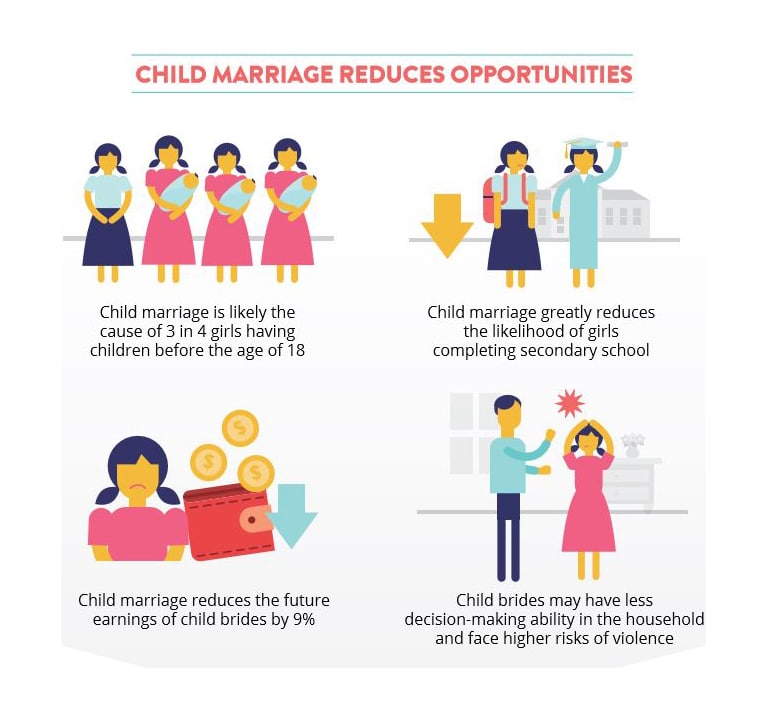
This created problems for many children. Some girls had to leave school after marriage. Others became mothers at a very young age, which increased health risks for both the mother and the baby.
Child marriage also made it harder for young people to find good jobs and become financially independent. Many families remained trapped in poverty because children missed the opportunity to receive a proper education.
The President Signed a Law to Ban Child Marriage
The President of the Philippines signed a law that officially bans child marriage across the country. The law makes it illegal for anyone to arrange, perform, or take part in the marriage of a child under the age of 18.
The law also introduces penalties for people who help organize or support child marriages. This includes parents, guardians, community leaders, or anyone else who knowingly participates in the practice.
The main goal of the law is to protect children and ensure they have the freedom to grow, learn, and make their own decisions as adults.
Why Is This Law Important?
This law is important because it protects children’s basic rights. Every child deserves a safe and healthy childhood. Children should have the opportunity to study, play, and prepare for their future without the pressure of marriage.
By banning child marriage, the government is helping children stay in school for a longer time. Education gives young people better opportunities for employment and a higher quality of life.
The law also supports gender equality by protecting girls from early marriage and giving them the chance to achieve their dreams.
Benefits of Banning Child Marriage
There are many positive effects of banning child marriage. Some of the biggest benefits include:
Better Education
Children can stay in school and complete their studies. Education helps them gain knowledge, skills, and confidence for the future.
Improved Health
Early pregnancy can be dangerous for young girls. Delaying marriage helps reduce health risks for mothers and babies.
More Career Opportunities
Young people who complete their education have a better chance of finding stable jobs and earning a good income.
Stronger Families
Adults who choose marriage when they are emotionally and financially ready are more likely to build healthy and stable families.
Reduced Poverty
Education and better job opportunities help families improve their financial situation and reduce poverty over time.
Challenges in Ending Child Marriage
Although the law is an important step, ending child marriage completely will take time. Some communities still follow old traditions that support early marriage.
Poverty is another major challenge. Some families believe that marrying their daughters early will reduce financial pressure. Others may not fully understand the long-term harm caused by child marriage.
To solve these problems, the government, schools, community leaders, and non-profit organizations must continue working together. Education and awareness programs can help families understand why children should remain in school instead of getting married.
The Role of Parents and Communities
Parents play a very important role in protecting their children. They should encourage education and support their children’s goals and dreams.
Teachers can also help by educating students about their rights and the importance of staying in school.
Community leaders and religious leaders can spread awareness about the new law and encourage families to follow it.
When everyone works together, children have a better chance of growing up in a safe and supportive environment.
How This Law Helps the Future of the Philippines
Protecting children today creates a stronger nation tomorrow. Educated and healthy young people can contribute more to society and the economy.
Girls who complete their education are more likely to become successful professionals, business owners, teachers, doctors, and leaders. Boys also benefit by having more opportunities to develop their skills before starting a family.
The ban on child marriage helps build a future where every child has equal opportunities to succeed.
Conclusion
The decision by the President of the Philippines to ban child marriage is a major achievement for children’s rights. The law protects children from early marriage and gives them the opportunity to enjoy their childhood, continue their education, and prepare for a successful future.
Although challenges still exist, the new law sends a strong message that every child deserves protection, education, and freedom. With support from families, schools, communities, and the government, the Philippines can continue creating a safer and brighter future for all children.