A recent incident on a Southwest Airlines flight has started an important discussion about air travel and families with autistic children. A video shared online quickly became popular and received millions of views. Many people shared different opinions about what happened.
Some people supported the family, while others supported the airline staff. The incident has also made people ask an important question. Are airlines doing enough to help passengers with autism and other special needs?
Traveling by plane can be exciting, but it can also be stressful. For families with autistic children, flying may be even more difficult. This article explains why this topic is important and how airlines, passengers, and families can work together to make air travel easier for everyone.
What Happened?
The incident happened on a Southwest Airlines flight. A family traveling with an autistic child faced a difficult situation before or during the flight. A video of the event was shared on social media, where it quickly became viral.
Many people watched the video and shared their thoughts. Some believed the airline staff should have shown more patience and understanding. Others felt the airline had to follow safety rules for all passengers.
Although people have different opinions, most agree on one thing. Families with children who have autism often face extra challenges while traveling.
Understanding Autism
Autism, also called Autism Spectrum Disorder (ASD), is a condition that affects how a person communicates, learns, and reacts to the world around them.
Every autistic person is different. Some children speak very well, while others may have limited speech. Some enjoy meeting new people, while others prefer quiet places.
Many autistic children are sensitive to loud sounds, bright lights, crowded spaces, or unexpected changes. Airports and airplanes can include all of these things, making travel very stressful.
Why Flying Can Be Difficult
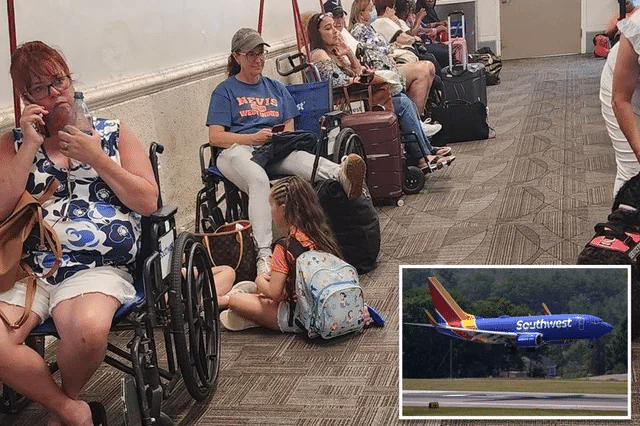
Flying is not always easy for children with autism. There are many reasons why air travel can become overwhelming.
Some common challenges include:
- Loud airport announcements
- Long security lines
- Busy waiting areas
- Bright lights
- Crowded boarding gates
- Sitting for a long time
- Changes in routine
- Engine noise during takeoff and landing
These situations may cause anxiety, fear, or sensory overload. Some children may cry, cover their ears, or become upset. This does not mean they are misbehaving. It often means they are feeling overwhelmed.
Challenges for Parents
Parents of autistic children often prepare for weeks before a trip. They may pack favorite toys, snacks, headphones, tablets, or comfort items.
Even with careful planning, unexpected problems can happen. A delayed flight, gate change, or long wait may increase stress for both the child and the parents.
Parents may also worry about how other passengers will react if their child becomes upset during the flight.
Traveling with an autistic child requires patience, planning, and support.
How Airlines Can Help
Airlines can make travel easier by providing better support for passengers with disabilities.
Some helpful ideas include:
- Train staff about autism awareness.
- Allow extra boarding time.
- Offer quiet waiting areas when possible.
- Speak calmly and clearly with families.
- Be flexible when safe and possible.
- Share information about available support before the trip.
Small changes can make a big difference for families.
How Other Passengers Can Help

Passengers also play an important role in creating a friendly travel experience.
If you see a child having a difficult moment, remember that the family may already be under a lot of stress.
Simple acts of kindness can help, such as:
- Being patient
- Avoiding negative comments
- Giving families a little extra space
- Showing understanding instead of judgment
A smile or kind word can make someone’s day much better.
Tips for Families Traveling with Autistic Children
Families can also take steps to make flying more comfortable.
Here are some useful tips:
Plan Ahead
Book flights that match your child’s routine if possible. Morning flights may work better for some children.
Tell the Airline
Many airlines offer special assistance for passengers with disabilities. Contact the airline before your trip to ask about available services.
Practice Before the Trip
Talk about the trip with your child. Show pictures of airports and airplanes or watch travel videos together.
Bring Comfort Items
Pack favorite toys, books, snacks, blankets, or headphones. These familiar items can help reduce stress.
Use Noise-Canceling Headphones
Airplane engines and busy airports can be loud. Headphones may help children who are sensitive to noise.
Stay Calm
Children often notice their parents’ emotions. Staying calm can help your child feel more secure.
Why Awareness Matters
The viral Southwest incident reminds us that many people still do not fully understand autism.
Greater awareness can help reduce misunderstandings and make public places more welcoming.
Schools, businesses, airports, and airlines can all improve by learning more about autism and supporting people with different needs.
When people understand each other better, everyone benefits.
The Importance of Kindness
Travel can be stressful for anyone. Flight delays, crowded airports, and long security lines can make people feel frustrated.
For families with autistic children, these challenges may be even greater.
Showing kindness, patience, and respect can help create a better travel experience for everyone.
Sometimes, a little understanding is all a family needs.
Final Thoughts
The viral Southwest Airlines incident has started an important conversation about air travel for families with autistic children. While people may have different opinions about what happened, the event highlights the need for greater awareness, better training, and more support.
Autistic children deserve the same opportunity to travel safely and comfortably as everyone else. Families should feel welcomed instead of worried when they board a plane.
Airlines, airport staff, passengers, and families all have a role to play in making travel more inclusive. With patience, education, and kindness, flying can become a better experience for everyone.
Other Articles