Delta Air Lines has surprised frequent flyers and aviation experts by introducing a new set of “Basic” fare classes for its premium cabins. While the word “basic” has traditionally been associated with economy-class tickets that come with restrictions, Delta is now applying the same concept to premium seating. This move reflects a broader trend in the airline industry, where carriers are seeking to offer more pricing flexibility while encouraging travelers to pay extra for added benefits. The announcement has sparked discussions among passengers, particularly those who regularly fly in Delta Comfort+, First Class, Delta Premium Select, and Delta One cabins. The introduction of these fare classes could change how travelers book premium seats and what they can expect from their tickets.
What Are Delta’s New Basic Premium Cabin Fares?
Delta’s new “Basic” premium fares are designed to provide customers with access to premium seating at a lower price than standard premium tickets. However, these discounted fares come with restrictions that reduce flexibility and limit certain travel benefits. Passengers purchasing these tickets may not receive the same change privileges, cancellation options, or upgrade opportunities available with regular premium fares. While travelers will still enjoy the comfort of premium seats, the overall experience may differ because some of the additional perks associated with premium travel are removed. This pricing strategy allows Delta to attract cost-conscious travelers who want premium comfort without paying full fare prices.
Why Delta Is Introducing This New Fare Structure
The airline industry has become increasingly competitive, with passengers comparing ticket prices across multiple carriers before making a booking. Delta has recognized that many travelers want premium seating but may hesitate because of high fares. By introducing lower-priced premium options, the airline hopes to attract these customers while still generating additional revenue through optional upgrades and services. Airlines have successfully used similar pricing strategies in economy cabins for years, where basic economy tickets provide lower upfront costs but fewer benefits. Extending this model into premium cabins enables Delta to reach a broader customer base while maintaining its premium brand image.
How the New Fares Differ from Standard Premium Tickets
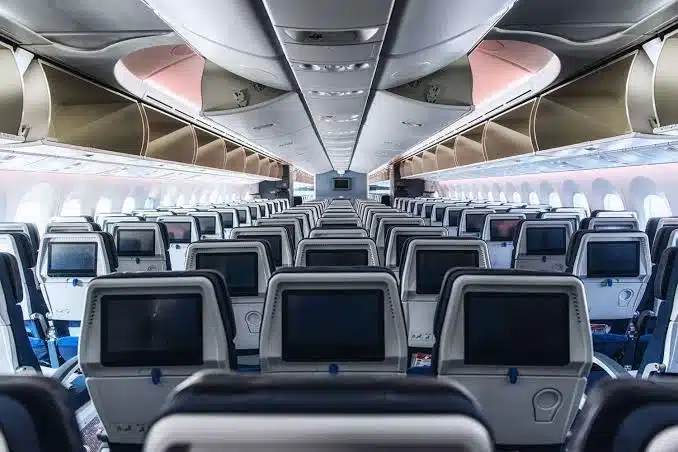
Although passengers purchasing Basic premium fares will sit in the same premium cabins as other travelers, their ticket conditions will differ significantly. Standard premium fares typically allow greater flexibility, including easier ticket changes, refunds under certain conditions, mileage benefits, and eligibility for upgrades. In contrast, Basic premium fares may restrict seat changes, limit mileage earning opportunities, reduce refund eligibility, and exclude travelers from complimentary upgrades or priority benefits. These differences mean passengers should carefully review fare rules before booking, especially if their travel plans could change unexpectedly.
Benefits for Budget-Conscious Premium Travelers
For travelers who primarily value seat comfort and extra personal space, the new Basic premium fares could represent an attractive option. Many passengers simply want a wider seat, additional legroom, better meals, or enhanced onboard service without needing maximum flexibility. These travelers may welcome the opportunity to enjoy premium cabins at a lower cost. Families on vacation, leisure travelers, and passengers booking well in advance could especially benefit if they are confident their travel dates will remain unchanged. Lower entry prices may also encourage more customers to experience Delta’s premium products for the first time.
Potential Drawbacks Travelers Should Consider
Despite the lower prices, Basic premium fares may not suit every traveler. Business travelers often require flexibility because meetings and schedules can change with little notice. If these passengers purchase restricted tickets, they may face additional fees or lose the value of their ticket when plans change. Frequent flyers who rely on elite status benefits may also find the new fare classes less appealing if they reduce mileage earnings or upgrade eligibility. Customers should compare the price difference between Basic and standard premium fares to determine whether the savings justify the restrictions.
Industry Trend Toward More Customized Pricing
Delta’s decision reflects a larger trend across the airline industry. Airlines are increasingly separating products into multiple fare categories, allowing customers to pay only for the features they value most. Instead of offering one standard ticket for each cabin, carriers now provide several pricing options with different levels of flexibility and included services. This approach increases revenue while giving passengers more choices. Many airlines have already adopted similar models in economy class, and expanding them into premium cabins may become more common as carriers continue refining their pricing strategies.
Impact on Customer Experience
The introduction of Basic premium fares could reshape customer expectations. Some passengers may appreciate having more affordable access to premium seating, while others could become frustrated if they discover restrictions after booking. Clear communication will be essential to ensure travelers understand exactly what is included in each fare. Delta will likely invest in educating customers through its booking platform, helping passengers compare fare options before making a purchase. Transparency will play a key role in maintaining customer satisfaction as these new fare classes become more widely available.
What This Means for Frequent Flyers
Delta’s loyal customers will likely pay close attention to how these new fare classes affect elite benefits and loyalty rewards. Frequent travelers often choose Delta because of its premium service and loyalty program advantages. If Basic premium fares reduce mileage accumulation, upgrade opportunities, or other elite perks, some customers may continue purchasing higher fare classes despite the increased cost. Others may selectively choose Basic fares for personal trips while reserving standard premium tickets for business travel where flexibility is more important.
The Future of Premium Airfare Pricing

Delta’s introduction of Basic premium fares may influence competitors to adopt similar pricing models. As airlines search for new ways to balance profitability with customer demand, offering multiple pricing tiers within premium cabins could become an industry standard. Travelers will likely see increasing personalization in airfare options, allowing them to choose exactly which services they wish to pay for. While this provides greater flexibility in pricing, it also places greater responsibility on passengers to understand the details of every ticket they purchase. Reading fare conditions carefully will become even more important in the future.
Conclusion
Delta’s new Basic premium cabin fares represent a significant shift in airline pricing strategy. By combining premium seating with lower prices and added restrictions, the airline aims to appeal to travelers seeking comfort without paying for maximum flexibility. For some passengers, these fares will provide excellent value, while others may find the limitations outweigh the savings. As competition continues to shape the aviation industry, more airlines are likely to follow this approach, giving travelers additional choices but also requiring more informed booking decisions. Ultimately, Delta’s latest move highlights the ongoing evolution of air travel, where customization, flexibility, and value are becoming central to the passenger experience.
Other Articles

Korea’s New Arrival Card: It’s Digital, It’s Mandatory