Nigeria’s aviation sector is facing a serious challenge. Reports show that the country is slowly losing its ability to properly monitor and manage its airspace. This problem has raised concerns among airlines, pilots, passengers, and aviation experts across Africa.
African Aviation Crisis monitoring is one of the most important parts of aviation safety. It helps air traffic controllers track aircraft movements, avoid accidents, and manage flights safely. If this system becomes weak, the risk of confusion, delays, and air accidents can increase.
Why Airspace Monitoring Matters
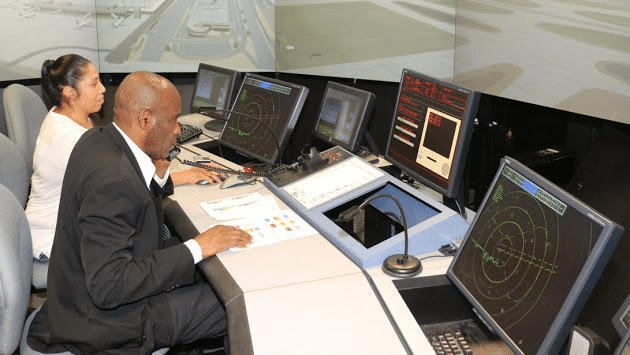
Every country uses radar systems, communication equipment, and navigation tools to monitor aircraft in the sky. These systems allow aviation authorities to:
- Track aircraft locations
- Guide pilots safely
- Prevent collisions
- Respond to emergencies quickly
- Manage takeoff and landing operations
Without proper monitoring systems, air traffic controllers may struggle to communicate with pilots or track planes accurately.
Problems Facing Nigerian Aviation
Nigeria’s aviation industry has been dealing with many technical and financial problems in recent years. Some of the major issues include:
1. Old Equipment
Many aviation systems in Nigeria are becoming outdated. Some radar and communication equipment need repairs or replacement. Experts warn that poor maintenance can weaken airspace safety.
2. Lack of Funding
The aviation sector requires large investments to maintain modern technology. However, financial challenges have slowed the upgrade of important systems and airport infrastructure.
3. Power and Network Failures
Frequent electricity problems and communication network failures also affect airport operations. In some cases, controllers may temporarily lose contact with aircraft.
4. Staff Challenges
The industry also faces shortages of trained aviation professionals. Air traffic controllers and engineers need regular training to handle modern aviation technology.
Impact on Passengers and Airlines

The situation could affect passengers in several ways. Flight delays and cancellations may increase if communication systems become unreliable. Airlines may also face higher operating costs and safety concerns.
International airlines could become more careful about operating in Nigerian airspace if the situation does not improve. This may reduce tourism, business travel, and investment opportunities in the country.
Concern Across Africa
Nigeria has one of the largest aviation markets in Africa. Problems in its airspace management can affect regional air travel as well. Many African countries depend on safe and connected aviation systems for trade, tourism, and economic growth.
Experts believe African governments should work together to improve aviation safety standards across the continent.
Possible Solutions
Aviation experts suggest several steps to improve the situation:
- Upgrade radar and communication systems
- Increase government funding for aviation
- Improve staff training programs
- Strengthen airport infrastructure
- Create better emergency response systems
They also recommend stronger partnerships with international aviation organizations to improve safety standards.
Nigeria’s aviation sector is at an important moment. Losing the ability to properly monitor airspace can create serious safety risks for airlines and passengers. The government and aviation authorities must act quickly to modernize equipment and improve airspace management systems.
Safe aviation is important for economic growth, tourism, and public confidence. With proper investment and planning, Nigeria can protect its aviation industry and maintain its position as a major air transport hub in Africa.