
Introduction
Egypt has announced an important step in its education system. Starting from the 2026/2027 academic year, Japanese will be taught as a second foreign language in middle schools. This decision aims to improve cultural exchange, language learning, and educational cooperation between Egypt and Japan.
The new program will give students a chance to learn a new international language at an early age. It will also help them understand Japanese culture, traditions, and technology.
Why Egypt Chose Japanese Language

Japan is known for its strong education system, advanced technology, and economic growth. Egypt wants students to learn from Japan’s experience and develop new skills for the future.
The Japanese language has become popular in many countries because of Japanese technology, anime, business, and cultural influence. By adding Japanese to schools, Egypt hopes to open new opportunities for students in education and careers.
The decision also shows the strong relationship between Egypt and Japan. Both countries have worked together in education projects for many years.
Benefits for Students
Learning Japanese can help Egyptian students in many ways. It can improve communication skills and increase knowledge of different cultures. Students will also gain confidence by learning a completely new language.
Some main benefits include:
- Better understanding of Japanese culture
- More opportunities for scholarships in Japan
- Improved career options in the future
- Stronger language and thinking skills
- Greater interest in international education
Students who learn Japanese may also have better chances to work with Japanese companies in the future.
Japanese Education in Egypt
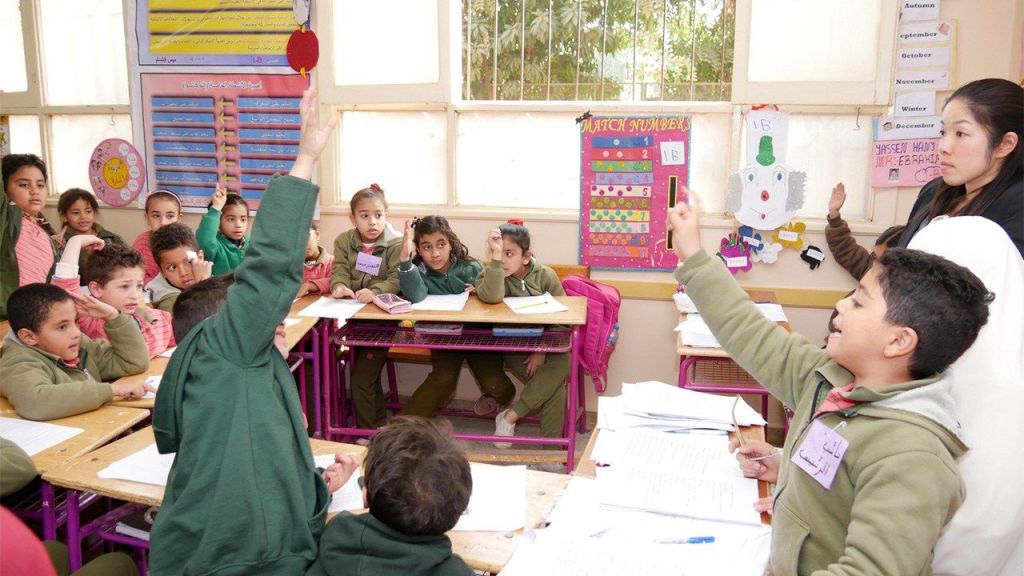
Egypt has already introduced some Japanese-style education methods in schools. The Egyptian-Japanese Schools project is one example of cooperation between the two countries. These schools focus on discipline, teamwork, and student activities.
Adding Japanese language classes is another step in this partnership. Teachers will likely receive special training to help students learn the language in a simple and effective way.
Educational experts believe that learning languages at a young age helps students learn faster and more easily.
Challenges of the New Program
Although the decision is positive, there may be some challenges in the beginning. Schools may need trained Japanese language teachers and new learning materials.
Students may also find Japanese difficult at first because the writing system is different from Arabic and English. However, with proper teaching and practice, students can learn step by step.
The government will need to provide support, teacher training, and modern teaching resources for successful implementation.
Future Opportunities
The introduction of Japanese language education may create new academic and cultural opportunities for Egyptian students. More exchange programs between Egypt and Japan may also develop in the future.
Students who become fluent in Japanese may continue higher studies in Japan or work in fields such as technology, tourism, business, and international relations.
This move can also encourage stronger friendship and cooperation between the people of Egypt and Japan.
Conclusion
Egypt’s decision to introduce Japanese as a second foreign language in middle schools from 2026/2027 is an important educational development. It will help students learn new skills, understand another culture, and prepare for future opportunities.
The program may face some early challenges, but it can bring long-term benefits for students and the education system. By learning Japanese, Egyptian students can build stronger connections with one of the world’s leading countries in technology and education.


