
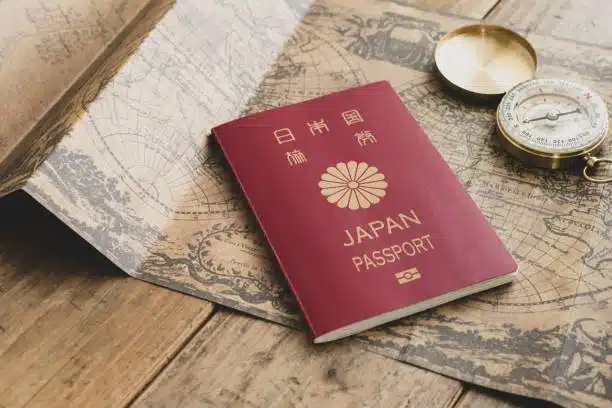
The 2026 Henley Passport Index has officially arrived with startling new data. This report showcases the most significant shifts in global travel freedom in over a decade. Singapore remains the undisputed leader as the most powerful passport in the world today. Its citizens enjoy seamless visa-free access to a record 192 unique international destinations. This marks the third consecutive year for the city-state at the very top. Japan and South Korea share the second position in this latest comprehensive ranking. Holders of these passports can visit 188 countries without requiring a prior visa. European nations continue to dominate much of the remaining top tier of the index.
The Elite Tier: Top Five Global Rankings
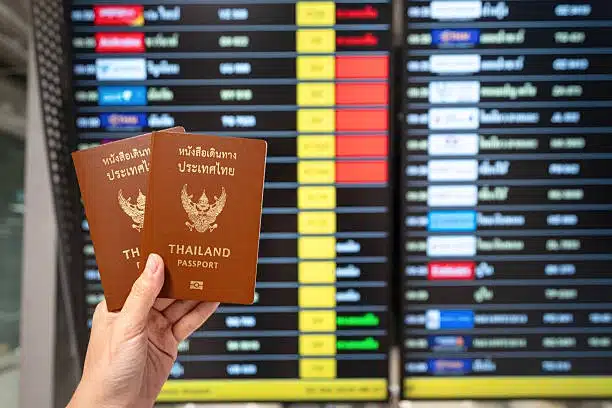
Singapore stands completely alone in the first place position for the 2026 calendar year. Japan and South Korea follow closely in the joint second place spot with 188 destinations. A five-way tie exists for the prestigious third place ranking on the global stage. Denmark, Luxembourg, Spain, Sweden, and Switzerland currently share this high-level travel honor. These nations offer access to 186 different global travel destinations to their citizens. Ten European countries are currently tied for the fourth spot in this ranking. These include major powers like France, Germany, Italy, and the Netherlands. Each provides entry to 185 countries without any prior visa requirements or paperwork. The United Arab Emirates has climbed into the fifth position with 184 destinations. This rise follows years of sustained and strategic diplomatic efforts by the UAE.
The Widening Gap in Global Mobility
A massive divide exists between the most and least powerful passports in 2026. The gap between first and last place is now 168 total destinations. This is the largest disparity in the entire history of the passport index. High-income nations continue to gain more travel privileges for their citizens every year. Lower-income countries often face increasing and strict border restrictions from the international community. Experts call this a concentration of mobility advantages for the world’s wealthiest nations. Stable political environments drive these high travel scores for many participating countries. Geographic isolation does not hinder modern passport strength in the current digital era. Strategic diplomacy remains the primary key to achieving significant global travel access.
Standout Climbers and Long-Term Success Stories
The United Arab Emirates is the biggest long-term winner of this past decade. It has added 149 destinations to its list since the index began in 2006. The UAE has risen 57 places over the last twenty years of rankings. China has also recorded significant and steady gains in its mobility rankings lately. It climbed 28 places over the last ten years of data collection alone. China now provides visa-free access to 141 global destinations for its residents. This reflects a deliberate strategy of international openness and diplomatic cooperation. Albania and Ukraine have also seen impressive ranking jumps in the last few years. Regional integration often leads to these improved travel scores for local citizens. Closer alignment with major global partners drives these positive and lasting changes.
Challenges for the United States and United Kingdom
Both the US and UK face long-term ranking declines in the 2026 report. The US returned to the top ten tier after briefly falling out recently. It currently sits in tenth place with access to 179 total destinations. This is a significant drop from its first place rank in 2014. The UK has slid from third to seventh place overall in the index. Both nations recorded steep annual declines in access over the last twelve months. Reciprocity issues are a major factor in these recent and concerning drops. The US allows only 46 nations visa-free entry into its borders currently. This lack of openness may prompt further travel restrictions from other countries. Volatile domestic politics also impact the perceived strength of these travel documents.
The World’s Least Powerful Passports in 2026
Afghanistan remains at the very bottom of the global passport index today. Its citizens can access only 24 destinations without a prior visa. Syria holds the second-to-last spot with access to only 26 countries. Iraq follows closely with access to 29 international destinations for its people. Yemen and Pakistan share the 98th spot in the global mobility rankings. They both offer access to 31 visa-free locations to their passport holders. These low rankings are tied to persistent regional conflict and political instability. Geopolitical isolation limits opportunities for many of these struggling passport holders. Citizens often face extreme and unfair scrutiny during all visa application processes. This creates a significant barrier to international movement, education, and trade.
Emerging Trends in Neuro-Inclusive and Solo Travel
Travel trends in 2026 reflect a focus on global and mental inclusivity. Many nations are improving access for various neurodivergent travelers and tourists. Sensory guides are becoming standard at major international airport hubs this year. Solo female travel also continues to grow rapidly across all age groups. Technology provides a vital digital safety net for many independent female voyagers. Real-time location sharing apps enhance personal security while traveling alone abroad. AI driven planners help map out safe and efficient travel routes for everyone. These tools empower more people to explore the world safely and confidently. Mobility is becoming a primary tool for personal growth and empowerment. Travel is viewed as a vital investment in long-term self-improvement.
Conclusion: The Future of Global Travel Freedom
Passport power is a decisive factor in global economic and personal opportunity. It shapes economic participation and personal security for many billions of citizens. The 2026 rankings highlight a world of increasingly unequal and divided access. Wealthy and stable nations enjoy unprecedented levels of travel freedom and ease. Others remain confined within strictly regulated and heavily guarded national borders. Strategic diplomacy will determine future shifts in the global passport index. Travelers must stay informed about changing visa requirements every single year. Global mobility remains a primary marker of national soft power and influence. The map of the world continues to change rapidly for travelers. Understanding these shifts is vital for all modern global citizens today.
Other Articles

Government Shutdown’s $6 Billion Toll on Travel and the U.S. Economy
Best European Cities to Visit in Winter, According to Travel Experts


