Travel experts are naming 2026 the year of the “Seasonal Specialist” traveler. As summer crowds reach record levels and heatwaves become more frequent, winter has become the preferred time to experience Europe’s most iconic capitals in their truest and most authentic form. Experts highlight a distinct split in 2026 trends: travelers are either chasing the “Fairytale Frost” of Central and Northern Europe or seeking the “Winter Sun” of the Mediterranean. Whether you want to sip mulled wine under Gothic spires or hike volcanic cliffs in a light jacket, these cities represent the pinnacle of winter travel this year. The quiet beauty of the off-season allows for a deeper connection with local culture that is often impossible during the frantic pace of the summer months.
The Allure of Central Europe’s Historic Frost
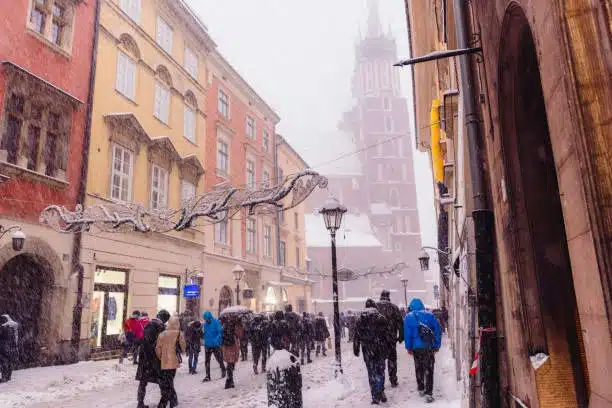
For those who believe winter is not complete without a dusting of snow and the glow of lanterns, Central Europe offers the most atmospheric experiences in 2026. Experts emphasize that cities in this region lean heavily into their medieval history during the colder months, transforming into living storybooks. Prague, the capital of the Czech Republic, remains a top recommendation for its Gothic architecture and romantic atmosphere. When the Charles Bridge is blanketed in white and the Vltava River reflects the city lights, the experience is truly unparalleled. Experts suggest visiting in late January to avoid the peak crowds of the Christmas markets while still enjoying the hearty local stews and traditional beer halls.
Mediterranean Sanctuaries for Winter Sun Seekers
Not every winter trip requires a heavy parka or thermal layers. In 2026, travel experts are heavily recommending “Blue Winter” destinations where the sun still shines and the temperatures remain pleasant enough for extensive outdoor exploration. Valletta, the capital of Malta, stands out as a primary pick due to its average of 300 sunny days per year. The city is a living museum of Baroque architecture and military history, and the winter weather is perfect for walking the harbor walls without the sweltering heat of August. Similarly, Seville in Spain offers a Mediterranean mildness that feels like an early northern spring. In January, the scent of bitter oranges fills the air, and the lack of crowds at the Alcázar makes it the ultimate time for photography and quiet contemplation.
The Northern Lights and Arctic Adventures
For the adventurous traveler, 2026 is an exceptional year to head toward the Arctic Circle. Experts point to Tromsø, Norway, as a major draw this winter due to the “Solar Maximum” period. This astronomical phenomenon promises some of the most vibrant and frequent Aurora Borealis displays in decades. Beyond the lights, Tromsø offers a sophisticated cultural scene with excellent seafood and cozy wooden houses. Meanwhile, Rovaniemi in Finnish Lapland remains the gold standard for family-oriented winter travel. As the official home of Santa Claus, it provides a magical backdrop for husky sledding, reindeer safaris, and staying in glass igloos. These northern destinations provide a stark, beautiful contrast to the bustling cities of the south.
Emerging Hotspots in the Balkans and Beyond
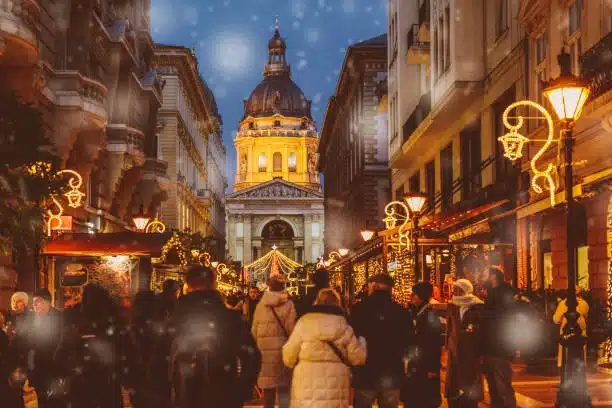
Beyond the traditional favorites, several cities have gained “Expert Recommended” status for 2026 due to specific cultural investments and unique local experiences. Zagreb, Croatia, has quietly become a winter heavyweight in recent years. Its extensive and immersive “Advent” programs take over the entire city center with light displays and food stalls, consistently winning awards for the best Christmas atmosphere in Europe. Additionally, Sofia, Bulgaria, is gaining traction as a budget-friendly winter destination. It offers a unique mix of onion-domed churches and Ottoman architecture, all within a short distance of the Vitosha mountain range, which provides excellent skiing and snowboarding opportunities for those looking to combine a city break with winter sports.
The Culinary Renaissance of the Winter Season
Winter is arguably the best time to explore Europe’s rich culinary traditions, as menus shift toward hearty, seasonal ingredients. Experts are pointing travelers toward cities like Lyon, France, often considered the gastronomic capital of the world. In winter, the city’s famous “Bouchons” serve warming dishes like coq au vin and onion soup in a cozy, intimate setting. In Italy, the city of Turin becomes a haven for chocolate and coffee lovers. The historic cafes of Turin offer the perfect refuge from the Alpine chill, serving the famous “Bicerin“a layered drink of espresso, chocolate, and cream. These culinary experiences are deeply tied to the season, providing a sense of comfort and tradition that defines the European winter experience.
Navigating Logistics and Budget in the Off-Season
While winter travel offers thinner crowds, experts warn that strategic planning remains essential for a successful trip. Many popular winter cities, especially those near major mountain ranges like Lucerne, Switzerland, see a surge in prices during February due to the peak of the winter sports season. Conversely, Eastern European cities like Budapest, Hungary, remain incredibly affordable even during the holidays. Budapest’s famous thermal baths provide a luxury spa experience for a fraction of the cost found in Western Europe, and soaking in an outdoor pool while steam rises into the freezing air is a quintessential winter activity. Experts also remind travelers to check for seasonal closures in coastal towns, as some resort-focused areas may have limited infrastructure during the winter months.
The Future of Sustainable Winter Tourism
As we look toward the remainder of 2026, sustainability is becoming a core part of the winter travel narrative. Experts are encouraging travelers to use Europe’s extensive rail network to move between cities, reducing the carbon footprint of their journeys. Night trains are seeing a major resurgence, connecting cities like Vienna and Paris in a way that is both romantic and eco-friendly. Furthermore, “slow travel” is being championed as the best way to appreciate the quietude of winter. By spending more time in a single city rather than rushing through several, travelers can support local businesses and gain a more profound understanding of the destination. This shift toward mindful exploration ensures that Europe’s winter beauty remains preserved for generations of travelers to come.