
The recent proposal by Somali lawmakers to officially set the minimum legal marriage age at 18 has ignited intense debate across the country. What was intended as a step toward aligning national laws with international child protection standards has instead triggered wide Public Outcry from various groups. While many activists and youth advocates welcome the proposal as a critical step toward safeguarding children, others argue the change conflicts with cultural traditions and religious interpretations deeply rooted in Somali society. This Public Outcry has spread rapidly, amplified by community leaders, social media discussions, and political commentary. As the controversy grows, the nation finds itself grappling with how to balance modernization, tradition, and the realities faced by young people in vulnerable circumstances.
Growing Tensions Between Tradition and Legal Reform
One of the major reasons the proposal has caused Public Outcry is the longstanding reliance on cultural norms that influence marriage practices in Somalia. Supporters of the reform argue that traditions should evolve to protect children from forced or early marriages that often lead to poor health outcomes, interrupted education, and limited life opportunities. Critics, however, insist that external pressure from global institutions is driving unwanted changes, sparking Public Outcry among those who feel their cultural identity is under threat. This tension has created a divide between those prioritizing child welfare and those defending tradition.
Religious Perspectives Intensify the Debate
The religious dimension of the discussion has also played a central role in fueling Public Outcry, particularly among scholars and conservative groups. Many in opposition claim the proposed age limit does not reflect Islamic practices and should not be imposed through legislation. Religious leaders have Voiced Concerns that the government is attempting to regulate personal matters traditionally governed by religious law. Meanwhile, proponents of the bill argue that Islam emphasizes protection, dignity, and the wellbeing of children, and that setting 18 as the marriage age supports those values. The resulting disagreements have generated widespread Public Outcry, illustrating how sensitive the interplay between law and religion can be.
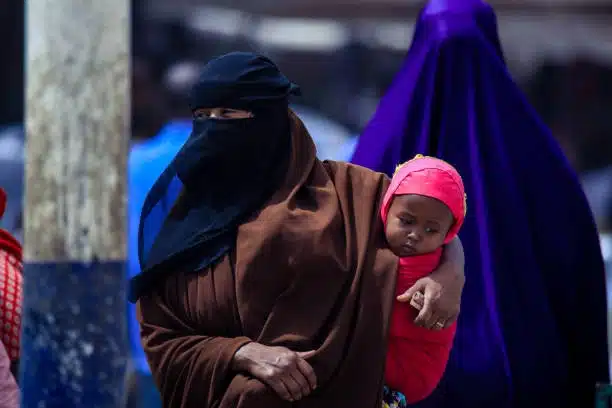
Women and Children’s Rights Groups Advocate for Change
Despite the rising Public Outcry, many human rights defenders see the proposal as a long overdue reform that could significantly improve the lives of young girls across the country. Women’s rights groups highlight the high rates of early marriage and the consequences young mothers often face, including health complications and limited access to education. They stress that regulating marriage age is essential to protecting vulnerable children from exploitation and forced unions. These advocacy groups have organized community dialogues, outreach campaigns, and media appearances to counter the Public Outcry surrounding the proposal. They aim to shift public understanding by focusing on long-term benefits for Somali society.
The Role of Social Media in Amplifying Public Opinion
Social media has become a powerful force in shaping the trajectory of the Public Outcry sparked by the proposed marriage reforms. Platforms like Facebook, TikTok, and X (formerly Twitter) have allowed public voices to spread quickly, making community reactions visible both inside Somalia and across the global diaspora. Hashtags reflecting different sides of the debate have trended nationally, and influencers have added emotional weight to the conversation. Supporters of the proposal use the platforms to share stories of individuals affected by early marriage, while opponents use them to strengthen cultural arguments. This digital landscape has amplified Public Outcry to levels rarely seen in Somali civic debates and continues to influence how policymakers respond.
Political Figures Navigate Increasing Pressure
Politicians have also been drawn into the center of the ongoing Public Outcry. Some lawmakers argue the legislation is necessary to align Somalia with International Child Protection frameworks, especially as the country seeks development partnerships and global cooperation. Others worry that approving the law could damage their political standing among more conservative communities. The Public Outcry has put significant pressure on government institutions, shaping how they communicate, negotiate, and plan for the proposal’s next stages.
Implications for Somalia’s Future Policy Direction
The persistent Public Outcry surrounding the marriage age proposal highlights deeper societal questions about how Somalia envisions its future. The country is undergoing major transitions in governance, security, and social development. Decisions made now will influence how future legal reforms are approached. If the government upholds the proposed age limit despite Public Outcry, it may signal a shift toward stronger legal structures that prioritize international standards and child protections. Conversely, if leaders withdraw or modify the proposal, it may reinforce the power of tradition and religious interpretation in national policymaking. The outcome will shape future discussions on education, gender equality, and child rights.
Conclusion
As Somalia confronts the complexities of modernizing its legal frameworks, the Public Outcry over setting the marriage age at 18 has become a defining moment in national discourse. The debate has exposed deep tensions between cultural traditions, religious interpretation, human rights advocacy, and political priorities. While the Public Outcry continues to generate passionate responses from multiple sides, it has also opened the door for difficult yet necessary conversations about the wellbeing of Somalia’s youth. Regardless of the final decision, the national debate will leave a lasting impact on the country’s approach to legal reform, child protection, and social progress. The hope is that through dialogue and understanding, Somalia can find a path forward that honors both cultural values and the rights of its children.
Other Articles


