
Getsemaní, once Cartagena’s most dangerous neighborhood, is now a vibrant hub of history, culture, and art. But beyond its colorful murals and lively streets lies a powerful story of resilience, freedom, and the Black pioneers who shaped Colombia.
From Slavery to Freedom: The Roots of Getsemaní
Originally, Getsemaní was home to enslaved Africans who worked in Cartagena during the Spanish colonial era. The small houses that now attract tourists with their charm were once the living quarters of those enslaved. Despite the oppression, Getsemaní became a center of resistance and revolution.
In 1741, Black people in Cartagena gained their freedom, marking a significant turning point in the city’s history. However, true independence from Spanish rule came later, thanks to the strategic efforts of José Padilla, a Black Colombian military leader, and Simón Bolívar, the Venezuelan revolutionary.
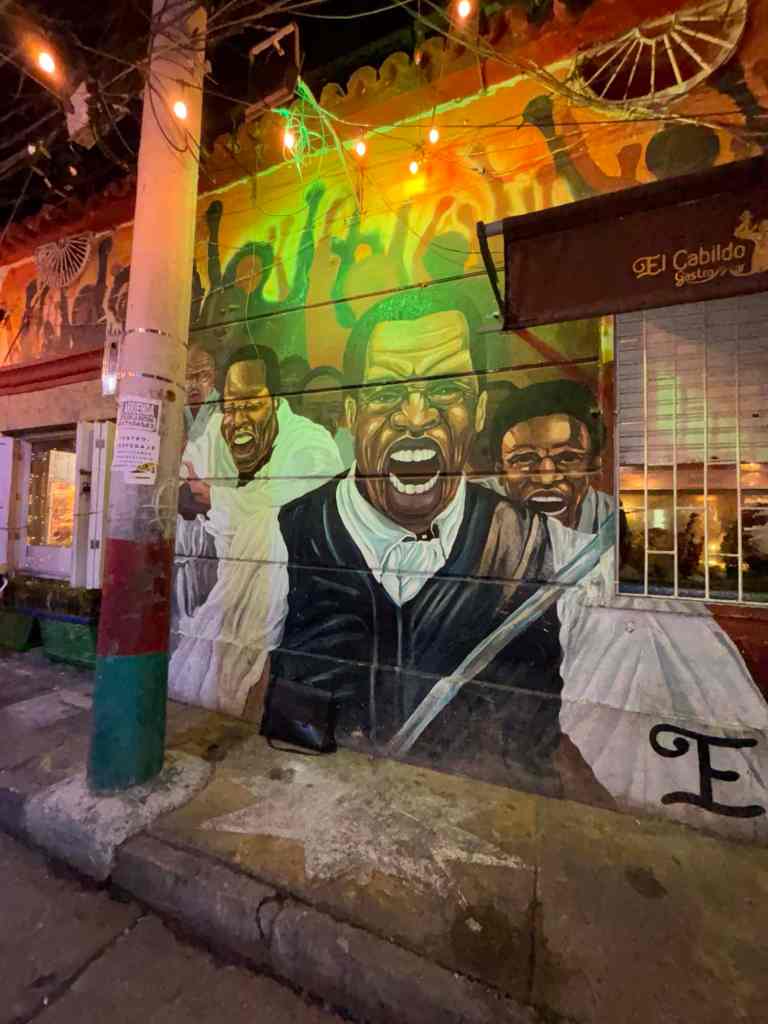
The Fight for Independence & Betrayal
After the Jenka War, racial mixing became more common in Colombia, but racial tensions and struggles for power remained. While Simón Bolívar is celebrated for freeing much of Venezuela, Panama, Ecuador, Bolivia, and Colombia, José Padilla played a crucial role in securing Cartagena’s liberation between 1821-1825 by defeating the Spanish forces.
However, despite their joint fight for freedom, Bolívar later betrayed Padilla. Fearing the growing power of Black Colombians, Bolívar ordered Padilla’s execution—a decision he would later regret until his death.
The Evolution of Getsemaní
For centuries, Getsemaní remained a marginalized neighborhood, plagued by crime and poverty. However, in 2016, Colombia signed a peace treaty with former criminals and drug cartels, exchanging crime for education and economic opportunities. This shift transformed Getsemaní into a thriving artistic and cultural district while preserving its deep-rooted Black history.
Getsemaní Today: A Must-Visit for Travelers
Now, Getsemaní is one of the most exciting places in Cartagena. Visitors can explore its street art, Afro-Colombian culture, and historic landmarks, all while walking through the very streets where enslaved people once fought for their freedom.
For Black travelers, Getsemaní is more than a trendy destination—it’s a powerful reminder of how the African diaspora has shaped history, culture, and identity in Colombia and beyond.

Planning Your Visit?
Be sure to explore:
- Plaza de la Trinidad – The heart of Getsemaní, filled with music, street performers, and local food.
- Calle de la Sierpe – A famous street showcasing Afro-Colombian heritage through murals.
- Casa de José Padilla – A tribute to the Black hero who fought for Cartagena’s freedom.
Getsemaní is proof that history is alive, and the legacy of Black freedom fighters will never be forgotten.
Check out our full itinerary to Cartagena & Medellin here !


