
Colombia is known for its vibrant culture, stunning landscapes, and rich history, but few travelers know the deeper, untold Black history that shaped the nation. Two places in particular—San Basilio del Palenque and Getsemaní—are living testaments to Black resilience, revolution, and cultural preservation. If you’re ready to dive into the truth beyond the tourist brochures, keep reading!
Getsemaní: The First Black Neighborhood in Cartagena
From Slavery to Resistance
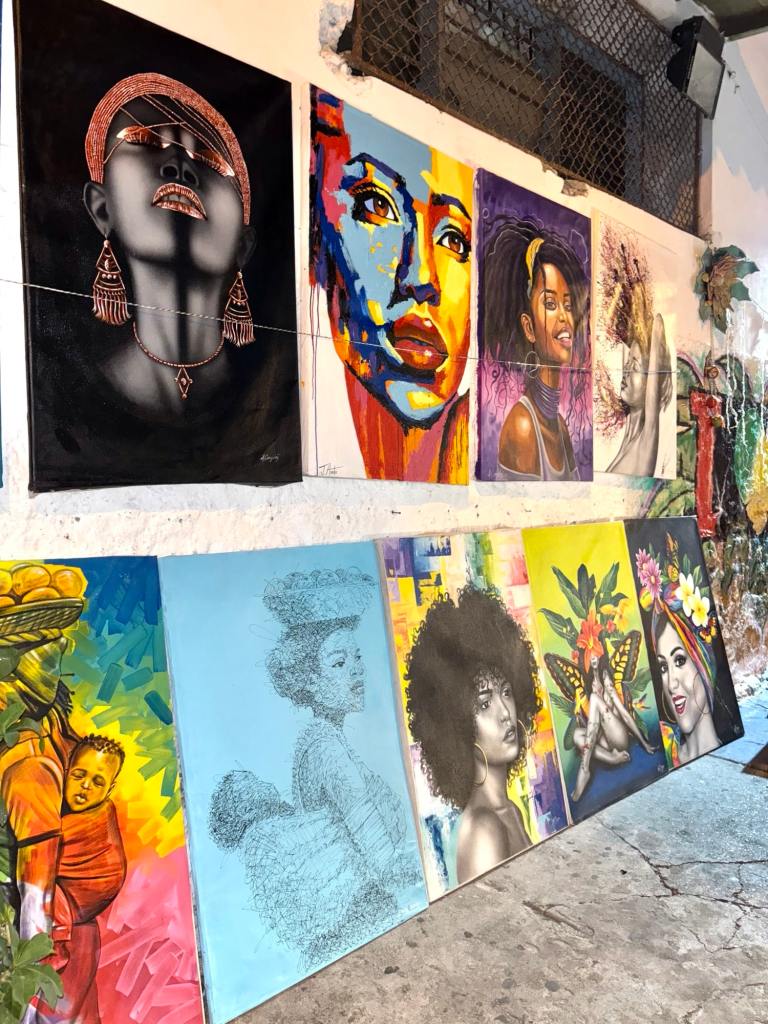
Getsemaní, now one of Cartagena’s most colorful and lively districts, was once the first Black neighborhood in the city. Enslaved Africans were forced to live in small houses here, serving the Spanish elite in nearby colonial mansions. Despite their oppression, Getsemaní became a hub for resistance, where enslaved people strategized and fought for freedom.
A Dark Past Turned Artistic Renaissance
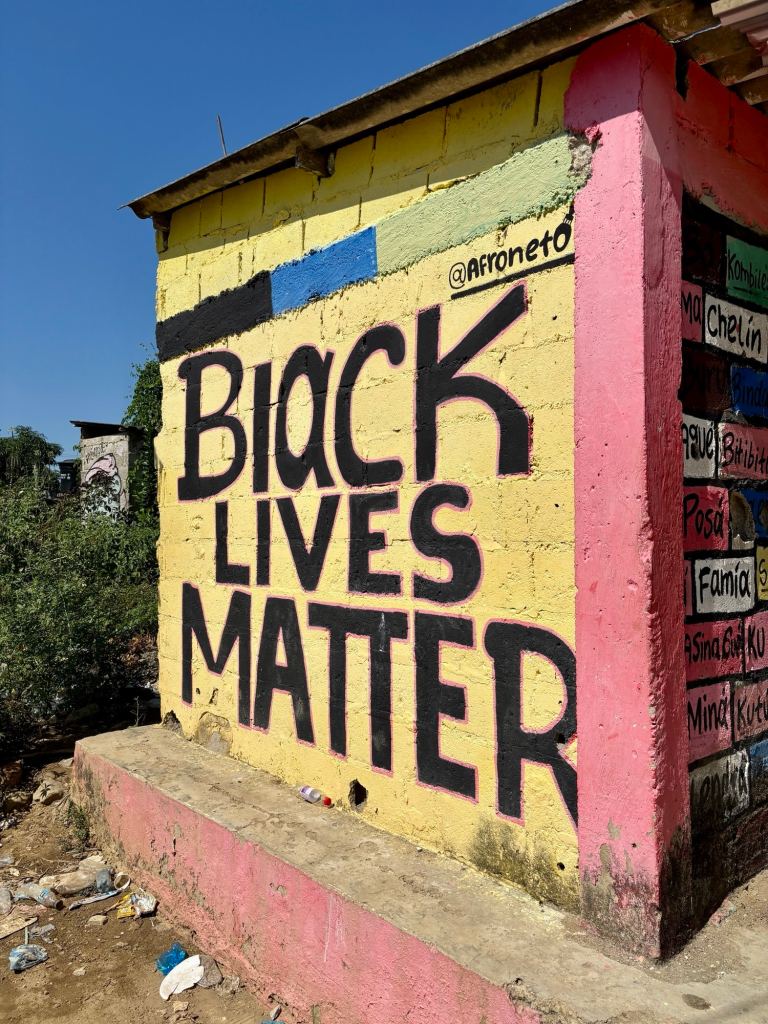
Fourteen years ago, Getsemaní was considered one of the most dangerous areas in Cartagena. Crime was rampant, and many travelers were warned to stay away. But today, it’s a cultural hotspot, with its streets transformed by powerful murals, street art, and Afro-Caribbean influences. Every wall tells a story, blending history with creativity in a way that celebrates the resilience of Black Colombians.
A City Freed by Black Leadership
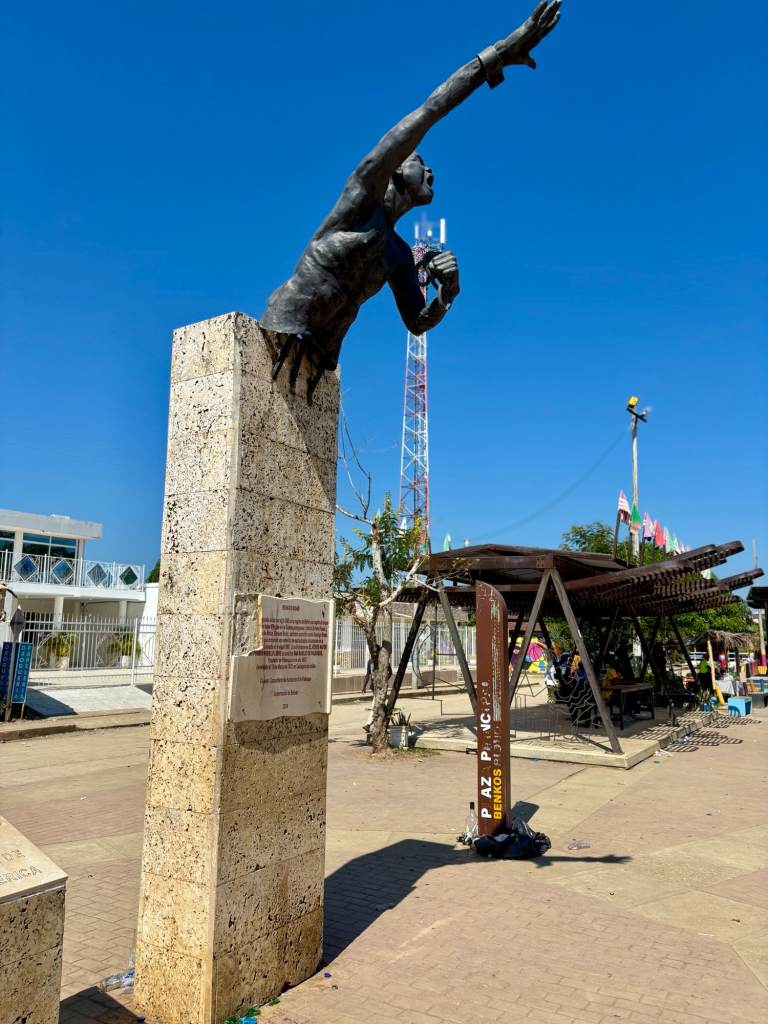
Cartagena’s freedom wasn’t handed over—it was fought for. José Prudencio Padilla, a Black military leader from Colombia, played a crucial role in the city’s liberation. Alongside Venezuelan revolutionary Simón Bolívar, Padilla helped secure independence from Spain. However, after Cartagena was freed in 1821-1825, Bolívar feared the growing power of Black Colombians and ordered Padilla’s execution. Bolívar later regretted his decision, falling into illness and dying shortly after.
The Unfinished Revolution
After the War of Jenkins (1739-1748), racial mixing increased, shaping Colombia’s diverse population. However, despite gaining independence, true racial equality was never fully realized. Even today, Afro-Colombians continue to fight for recognition and opportunity in a country deeply influenced by its colonial past.
San Basilio Del Palenque: The First Free Black Town in the Americas
A Legacy of Freedom
Long before the abolition of slavery, enslaved Africans in Colombia took matters into their own hands. San Basilio del Palenque, founded in the early 1600s, became the first free Black town in the Americas. Led by the legendary freedom fighter Benkos Biohó, formerly enslaved Africans escaped Spanish rule and built a self-sustaining community where they could live freely.
A UNESCO-Protected Cultural Treasure
Today, San Basilio del Palenque is a UNESCO World Heritage Site, recognized for its unique Afro-Colombian culture. The town has preserved its own language, Palenquero, a blend of Spanish and African languages that remains one of the last surviving Afro-Hispanic creole dialects.
The Sound of Freedom: Palenque’s Unique Music
One of the most distinctive aspects of Palenque’s culture is its music. Unlike modern rap, Palenquero music uses only non-digital instruments, keeping African traditions alive through drums, maracas, and call-and-response chants. This genre has influenced Colombian hip-hop and continues to be a symbol of resistance and pride.
Malba: The Dance of Liberation
Dance is deeply rooted in Palenque’s history, and one of the most famous traditional dances is Malba. This powerful, rhythmic movement represents the freedom won by Palenque’s ancestors. Watching a Malba performance is like witnessing history in motion—a tribute to those who fought for liberation.
Colombia: A Nation Built on Black Resistance
A Fragmented Freedom
At one point, Colombia was much larger, encompassing Venezuela, Panama, Ecuador, and Bolivia. However, after gaining independence, economic pressures led to the separation of these nations. Today, Colombia’s Black communities still fight for equal opportunities and recognition.
2016: A Peace Treaty That Changed the Country
Colombia has a long history of conflict, from colonial rule to modern drug wars. In 2016, the government signed a historic peace treaty with drug cartels and criminal groups, trading reduced violence for education and economic opportunities. While not perfect, this effort has helped shift Colombia towards a more stable future.
Why This History Matters for Black Travelers
For Black travelers, visiting Getsemaní and San Basilio del Palenque is more than just tourism—it’s a homecoming. These places hold the stories of our ancestors, their struggles, and their triumphs. Learning about these histories helps us connect to our roots and honor the legacy of those who fought for freedom.
Plan Your Visit
- Getsemaní: Wander the vibrant streets, take in the powerful street art, and visit landmarks dedicated to Cartagena’s Black history.
- San Basilio del Palenque: Experience the town’s unique language, music, and traditions that have remained untouched for centuries.
Other Articles

The Best Black-Owned Spas for Self-Treating
How to Curate the Perfect Travel Playlist for Black Travelers


