
Introduction
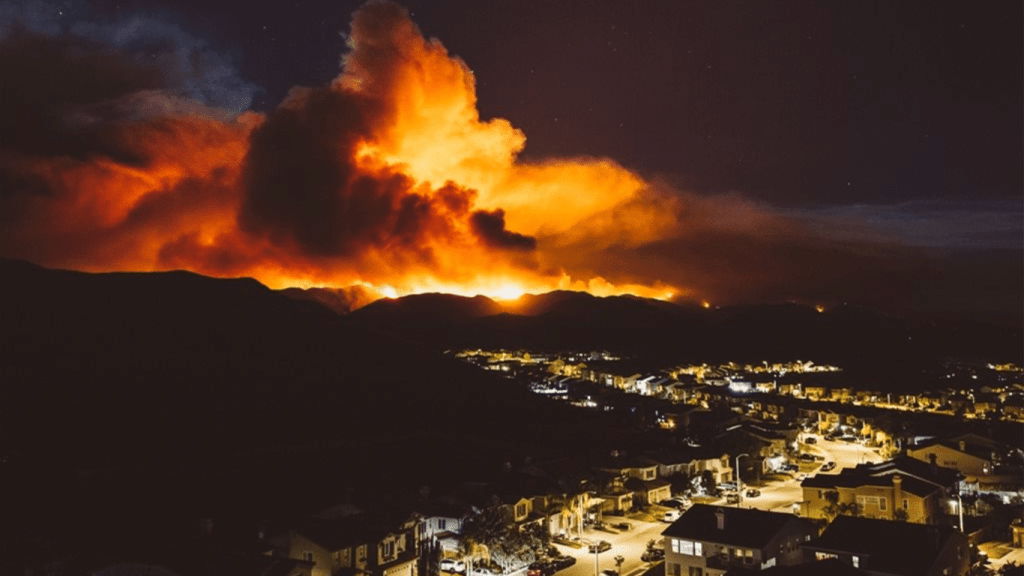
During the past year, California wildfire seasons have spread into communities that previously avoided fire damage. The main problem today is that wildfires are spreading into the neighbourhoods of San Gabriel Mountain foothills, including Altadena. Climate change and long-term water shortages have made fires stronger and more widespread, which puts thousands of people at significant risk. The explosion of natural power threatens to push California communities to their limit.
The Changing Nature of Wildfires in California
Recent fires in California differ from previous ones. Over time wild fires moved from the countryside and forests into suburban areas until they entered cities themselves. Fire problems across California have increased because temperatures keep rising while soils stay drier under strong winds. The increased threat to lives and belongings becomes greater because of it. The situation has become very dangerous for Altadena residents, who cannot escape the flames because few routes remain open.
The Role of Climate Change in Escalating Wildfire Risk
The rising number and power of fires in California result primarily from global climate changes. Warm temperatures and prolonged dry periods have turned many parts of the land into powerful fuel sources. Scientists have warned us for years that wildfires will become more dangerous and that future fires will be more severe. Rural areas used to be the only location for wildfires until the threat forced authorities in Altadena and city neighbourhoods to accept the reality of these fires.
The Tale of Vulnerability: Fires in Altadena
The neighbourhood consists mainly of private homes and connects with wild areas. This city stands behind the northeast tip of downtown Los Angeles. Recently, firefighters have fought more destructive wild blazes across this region. Despite existing fire protection measures, officials remain worried about how these widespread flames will affect homes and residents here. The city faces severe fire danger because hillside fires can quickly move towards dense brush areas before reaching residential neighbourhoods.
The Challenge of Urban-Wildland Interface Areas
Wildfires penetrating urban areas appear most notably in California through its wildland-urban interface (WUI) regions where human communities meet natural zones. The region containing Altadena serves as a primary threat zone because the danger from wildfire lines is highest in these urban-wildland interface areas. The design and features of wildland-urban interface areas usually do not consider fire safety because they tend to burn easily.
Emergency Response: Challenges and Triumphs in California Fires
Wildfires in California create significant obstacles for state firefighters when they respond to emergencies. Despite these fire officials performing their duties for many years, they often face their downfall when tackling giant, fast-moving fires. The situation becomes harder as firefighters fight fires in Altadena’s busy residential streets and urban sections. Many residents run helter-skelter from their homes into all available routes blocked by fleeing drivers. When fires approach residential neighbourhoods, firefighters must coordinate to secure passageways and protect building occupants who need to leave their homes.
Displacement and Destruction: The Human Toll of Wildfires
These wildfires take an enormous number of human lives. Wildfires force many people to leave their residences instantly while abandoning their homes. The forest edges that border Altadena’s bigger lots make all residential areas prone to sudden burning. People experience devastating emotional and financial loss when they cannot leave their homes or return to destroyed residences. The communities and families suffer deeply from fires that destroy every part of their lives and force them into temporary homes.
Environmental Damage: Beyond the Flames
While the direct damage that fires due to the scenery is harmful enough, the lasting damage they bring to the environment is nearly as damaging. The harm done to nature’s spaces across England will continue harming biodiversity in Altadena for a long time. Different bird, mammal, and plant species sustain serious damage inside the affected territory. Fire damage does extreme expansion to mountainous regions. Soil erosion from wildfires causes land instability, which needs several years to be restored. Their environmental harm remains visible once the fires have been put out.
The Financial Burden: Costs of Wildfires on Local Communities
Wildfires require significant yearly funding to suppress and bring California back to normalcy. Because Altadena real estate prices are strong the cost to rebuild and restore homes from wildfires reaches millions of dollars. Homeowners who receive insurance payments can rebuild their houses or stay without rebuilding options based on insurance status. Local businesses and communities must shut down permanently or move away when wildfires damage them.
Technological Advancements in Firefighting: A Ray of Hope
As wildfires increase in danger, new methods to protect against them rise at equal speed. Firefighters receive real-time data through drones with infrared cameras and artificial intelligence to assist them in making essential choices about fires. Property owners in areas prone to wildfires can now buy fire-resistant building materials to secure their homes better. Scientific breakthroughs bring hope that officials can better control dangerous fires occurring in Altadena today.
The Growing Problem of Firefighting Resource Allocation
Effective wildfire response requires the allocation of enough firefighting resources across California. Fires grow in number and impact, so firefighting organizations spread into new areas. Due to the intense potential for quick movement of fires, a fast reaction plan must exist from the wildlands to townhomes in Altadena. Even with all available personnel and equipment, there is never enough to handle a crisis of this scale. The current fire response problems arise directly from this insufficient staffing system.
Training communities to face emergencies through proper Fire Education programs.
The government of California uses public education programs to teach people burn safety and emergency response skills. Residents of Altadena receive support for establishing fireproof spaces, including trimming brush and planting fire-resistant plants. Local authorities teach people important steps to prepare for fires, such as creating an escape plan and making emergency kit preparations. Despite active government action, people typically fail to grasp fire risk until they face its deadly consequences. Protecting people and possessions depends on making the public aware of fire safety.
The Psychological Impact of Wildfires on Residents
Fire damage to our homes and properties is frightening, but wildfires also distress those who live through them. Residents of Altadena experience constant fears because their area has regular fire threats. People who go through wildfires may develop anxiety, depression and PTSD as they experience evacuation pressure plus see their home neighbourhoods get destroyed. After-fire treatment facilities help affected, residents deal with their emotional stress.
The Long and Uncertain Process of Rebuilding After Wildfires
Rebuilding following a wildfire becomes intricate and difficult to predict, particularly in urban areas like Altadena. People need a long time to rebuild homes, businesses, and infrastructure damaged by the fire. Many residents struggle to rebuild their lives because insurance claims are being reviewed slowly. When starting anew after disaster strikes, you will face considerable emotional difficulties besides the everyday challenges. Recovering takes a long time, requiring many people to find courage alongside the necessary money from local and state authorities.
Wildfire Prevention: Looking Ahead to the Future
State leaders make it their highest goal to avoid wildfires from the beginning. The focus is shifting to spotting early signs of fires, plus empowering prompt responses through fire prevention and proper land management efforts. Programs using advanced artificial intelligence and predictive analytics tools now help spot potential fire danger areas. Fire management and community safety policies must shift completely to stop urban fires from spreading into Altadena and the other regions.
The Role of Insurance Companies in the Wake of Wildfires
The outcome of a fire disaster depends mainly on how insurance providers handle the situation. Most people in Altadena fireplace zones trust their insurance providers to assist them in rebuilding their homes, as many other residents do in fire-prone locations. People understand their insurance policies will make small payouts because the worsening wildfires produce damage beyond their coverage range. Residents and insurance firms disagree strongly about which party should bear the wildfire protection burden.
The Impact on Local Wildlife and Habitat
Human homes and lives face destruction in Altadena fires, damaging vital environments all living organisms need. The fires wipe out natural local animals, including those in the region. People who destroy habitats and take plants from nature permanently damage the environment that cannot be fixed for many years. The fires produce toxic smoke that hurts local wildlife and makes their natural environment harder to survive. When natural fires destroy every trace of life our recovery must focus on rebuilding what fire burned down.
Conclusion
Residents of Altadena have started to accept the growing risk of wildfires as destruction reaches deeper into their urban area. The community stops fires by supporting fireproof buildings, perfecting evacuation methods, and boosting preparation. People now favour creating safe areas near houses and lowering fuel materials from surrounding lands.
Read more Click Here
Other Articles

Getsemaní: Cartagena’s First Black Neighborhood & Its Legacy of Freedom


[…] Read more Click Here […]
[…] Read more Click Here […]
[…] Read more Click Here […]