

When it comes to migration, African Americans have a long history of seeking opportunities beyond the U.S. borders. From the promise of freedom to the allure of cultural connections, Black immigrants have carved out communities worldwide. But which destination ranks as the most common? Let’s dive into this captivating story of resilience, culture, and wanderlust.
Canada: The Land of Freedom
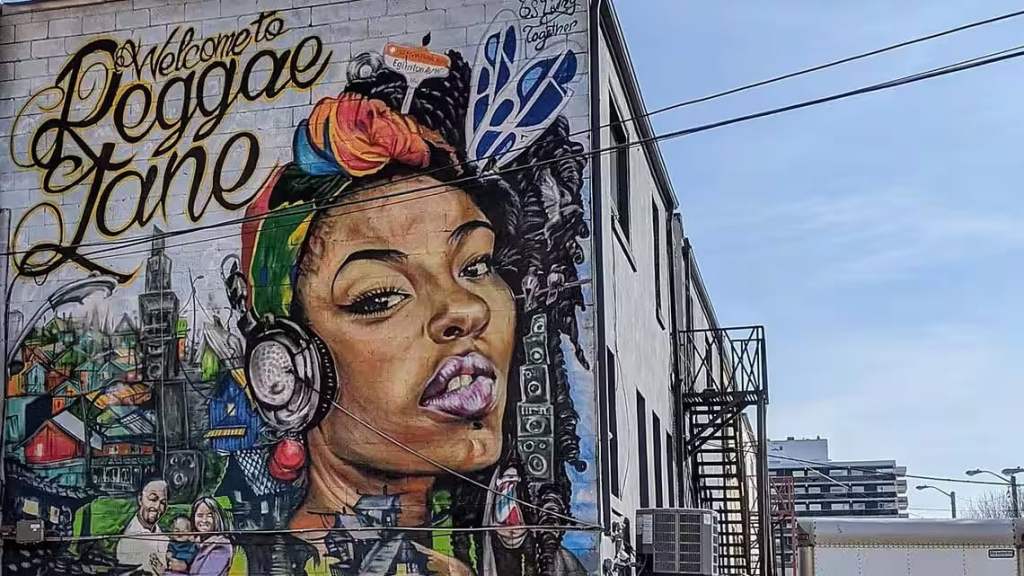
For many African Americans, Canada represented a beacon of hope during slavery and beyond. The Underground Railroad, a secret network that helped enslaved individuals escape to freedom, made Canada the primary destination for African Americans fleeing oppression. Cities like Toronto, Windsor, and Halifax became havens for Black communities.
Why Canada?
- Slavery was abolished in Canada in 1834, offering legal freedom.
- Proximity to the U.S. made it accessible for escaping families.
- Vibrant Black communities, like the one in Africville, emerged and thrived.
Even today, Canada remains a popular destination for African American immigrants, drawn by its multicultural ethos and opportunities for a fresh start.



Liberia: Returning to the Motherland
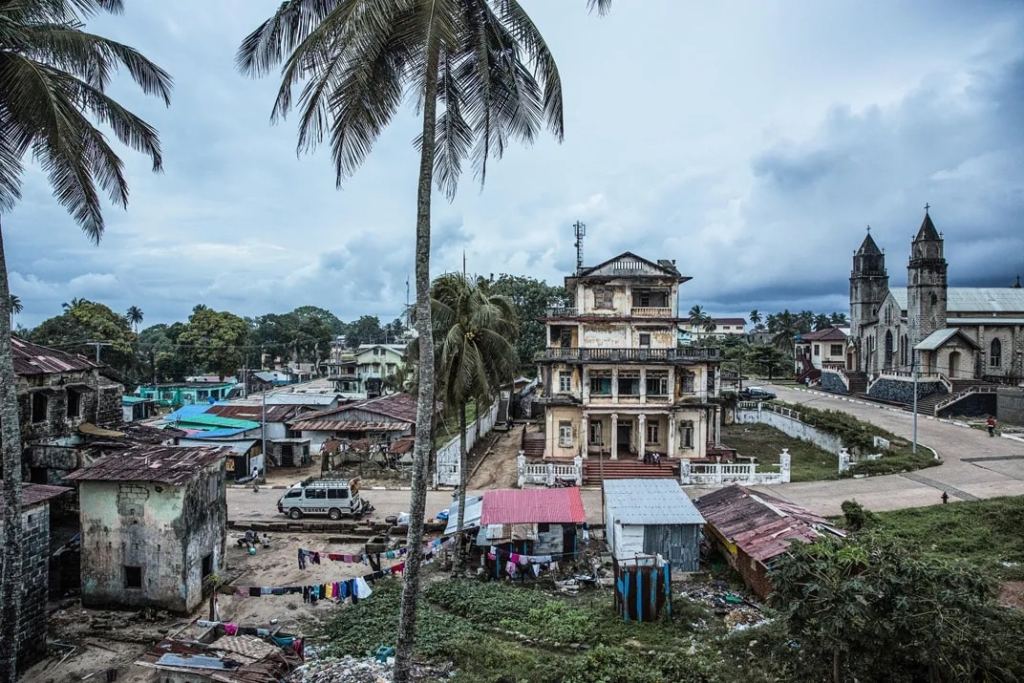
In the 19th century, many African Americans sought to return to their ancestral roots in Africa. Liberia became a common destination thanks to the American Colonization Society, which encouraged free African Americans to migrate to Africa. Monrovia, Liberia’s capital, was named after U.S. President James Monroe, and the country’s flag and constitution were modeled after the U.S.
Why Liberia?
- A chance to escape systemic racism in the U.S.
- An opportunity to build a nation free from oppression.
- Cultural and historical ties to the African continent.
Today, Liberia remains a symbol of the complex history of African American migration and its deep connections to the motherland.
Caribbean Destinations: A Cultural Connection
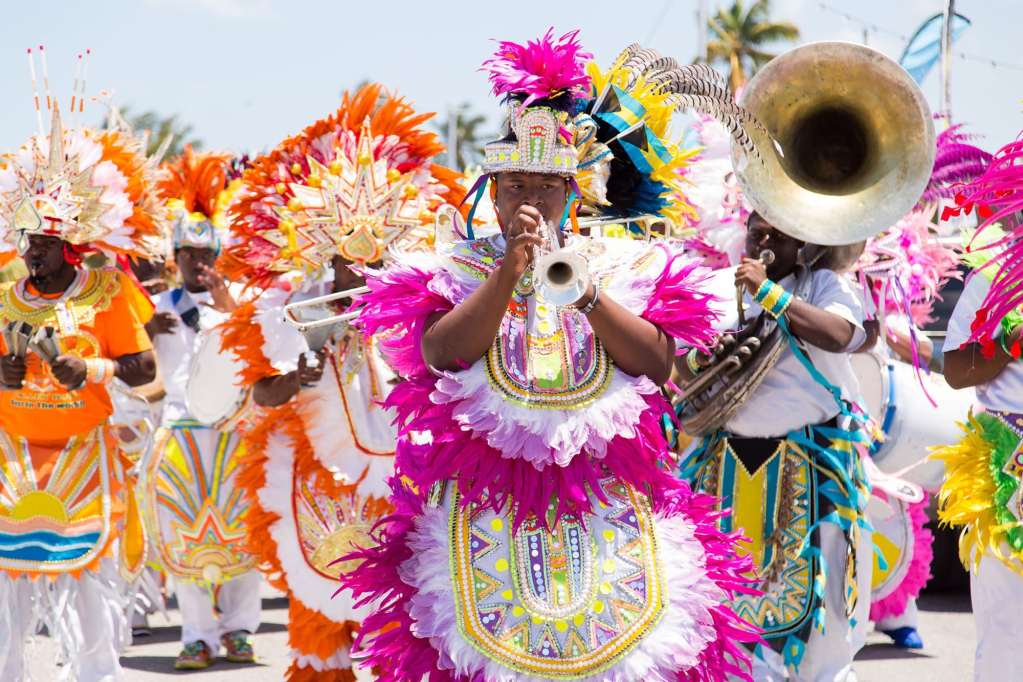
The Caribbean islands, particularly Jamaica, the Bahamas, and Haiti, have also attracted African American immigrants. These islands offered cultural familiarity, shared histories of resilience, and a sense of belonging. Post-slavery, many African Americans moved to the Caribbean to join established Black communities or explore opportunities in agriculture, trade, and entrepreneurship.
Why the Caribbean?
- Shared African heritage and culture.
- Political and economic opportunities in majority-Black societies.
- Warm climates and the promise of a slower pace of life.
The Caribbean continues to be a favorite destination for African Americans seeking both short-term escapes and long-term relocations.
Post-WWII Migration: The European Adventure
During and after World War II, African Americans began migrating to Europe, particularly the United Kingdom, France, and Germany. For many Black GIs stationed overseas, Europe represented a refuge from the racial segregation and discrimination they faced at home.
Why Europe?
- Opportunities to study, work, and live free from U.S. racial hierarchies.
- Cities like Paris and London became hubs for Black intellectuals, artists, and musicians.
- A chance to connect with the global African diaspora.
Modern Destinations for African American Immigrants
While historical migrations were driven by freedom and opportunity, today’s African American immigrants are often drawn to places that promise cultural enrichment, economic growth, and personal fulfillment. Current popular destinations include:
- Ghana: With initiatives like the “Year of Return,” Ghana invites African Americans to reconnect with their roots.
- South Africa: A growing expat community enjoys the vibrant culture and affordable living.
- Costa Rica: Known for its peaceful vibe and warm Black communities along the Caribbean coast.
The most common destinations for African American immigrants reflect a journey of resilience, hope, and identity.


Whether it’s Canada’s promise of freedom, Liberia’s return to Africa, or Europe’s cultural appeal, each migration wave tells a unique story.
As a Black traveler or immigrant, these destinations offer more than just new horizons—they hold pieces of our shared history and opportunities to shape our futures. So, where will you go next? Let me know in the comments!
Would you like recommendations for your next trip? I’ve got you covered!


No Comment! Be the first one.