
1. Overview
Travelling to locations to discover records is not simply travelling to places to find records but reconnecting with identity, recovering historical wounds, and intensifying personal expertise.
2. Significance of Heritage Tour
Heritage tour provides the kids of enslaved Africans with a danger to tread on the ancestral grounds. These excursions offer an experience from a first character’s perspective concerning the stories in history, and they cannot be delivered with books or documentary support. Be it the historic kingdoms or places of struggle towards colonialism, such locations have a history that waits to be rediscovered.
3. Ghana: The Door of No Return
Ghana is likewise termed the “Gateway to Africa” for all those coming from the African continent. It contains a notable essence of the beginning of history. Cape Coast Castle and Elmina Castle portray the worst circumstances of Transatlantic slavery. The ‘Door of No Return’ is a tremendous emotional landmark signifying the forced exportation of tens of millions from their motherland. Many vacationers report that the adventure constantly emotionally and spiritually related them more to their roots.
4. Senegal: Goree Island and the House of Slaves
Goree Island remains one of the maximum crucial heritages for those enlightened about the transatlantic change of Africans with their shorelines at the coast of Senegal. The House of Slaves Maison des Esclaves remembers the barbaric situations faced with the aid of enslaved Africans even as alive. Small-sized cells, crushing, and a door called Door of No Return have been to leave deep marks on someone whosoever might occur to visit this website, drawing out emotions and emotions of aches, recollections, and fortitude.
5. Benin: Kingdom of Dahomey and the Vodun Traditions
This lovely USA is, in reality, the ancient Kingdom of Dahomey, offering African resistance and non-secular traditions. The Slave Route and Ouidah Museum of History mark the beginning of the transatlantic slave exchange. Benin is likewise acknowledged as the birthplace of Vodun, an Indigenous non-secular practice that dominated the cultures of numerous nations worldwide. People can go to the temples of Vodun and revel in ceremonies to reconnect to their ancestral spirituality.
6. Nigeria: An Imperial Legacy- Anthropological Importance of Kingdoms of Ife and Benin
Nigeria is a land of antique civilizations and some of the maximum intriguing African heritage websites. Ife, the cradle of the Yorubas, has splendid works of art in bronze and terracotta depicting African royalty. The Benin Kingdom bronze works are some of the best examples of Africa’s ability for civilization earlier than European colonization. These websites screen highbrow and inventive achievements that mainstream history tends to omit.
7. Ethiopia: The Cradle of Civilization and Home to Religion
Ethiopia is one of only a few African countries that the Europeans have no longer colonized, so it stands uniquely inside the African historical past itself, containing the famous Aksum with the Ark of the Covenant housed there, and also rock-hewn churches in Lalibela, mind-blowing architectural masterpieces for medieval periods. Ethiopia has a wealthy Orthodox Christian historical past and ties up with several of the earliest acknowledged African civilizations.
8. Egypt: The Pyramids and the African Origins of Civilization
For many years, controversies have arisen regarding what Africa did in early civilization. The pyramids in Egypt, the Sphinx, and historical temples talk of architectural and clinical evolution in Africa. Historians postulate that those monuments suggest that Africans extensively contributed to the core improvement of human civilization. A tour to Egypt is a tremendous reconnection with grandeur in Africa and its effect on global history.
9. South Africa From Robben Island to Apartheid Legacy
All that this record in South Africa is packed with is the resistance to colonial rule and apartheid. Nelson Mandela spent 18 years imprisoned in Robben Island, which exemplifies resilience in fighting for freedom. Informative in assisting any visitor to understand the injustices of Black South Africans and the way long it took to have any equality, the museums in Johannesburg and Cape Town offer a great window into apartheid pasts. Critical to analyze for those who need to be knowledgeable about this recent African history are
10. Slave Markets and Networks of African Traders in Tanzania and Zanzibar
Historically, Tanzania has been unnoticed. However, it played a vital role in the Indian Ocean slave exchange. In Zanzibar, the old slave marketplace and underground rooms inform us of the cruel situations enslaved Africans needed to suffer earlier than being sold. Beyond this painful history, Tanzania additionally functions the fabled Serengeti and Mount Kilimanjaro, which connects traffic to Africa’s natural beauty along its historic historical past.
11. Angola: The Forgotten Middle Passage
Angola became considered one of the most important countries that exported enslaved Africans to be taken to the Americas. Today, Luanda, which had been one of the slave trading ports, is now a website having historical museums delving into the history of Angola’s involvement with the Middle Passage. Despite its unhappy beyond, Angola’s way of life has been transformed via Kizomba music and dance, proving how resilient and ingenious Angolans can turn out to be.
12. African Spirituality and Reconnection to Tradition
For most people inside the diaspora, travelling African historical past websites has nothing to do with learning records; it has to do with spiritual reconnection. Traditional African religions, ancestor veneration, and cultural practices still exist in many parts of the continent. From Ashanti rituals in Ghana to the Orisha worship in Nigeria, such traditions leave no one unimprinted, such as a deep feeling of belonging and continuity when reconnecting with the roots.
13. Emotional and Personal Transformation through Heritage Travel
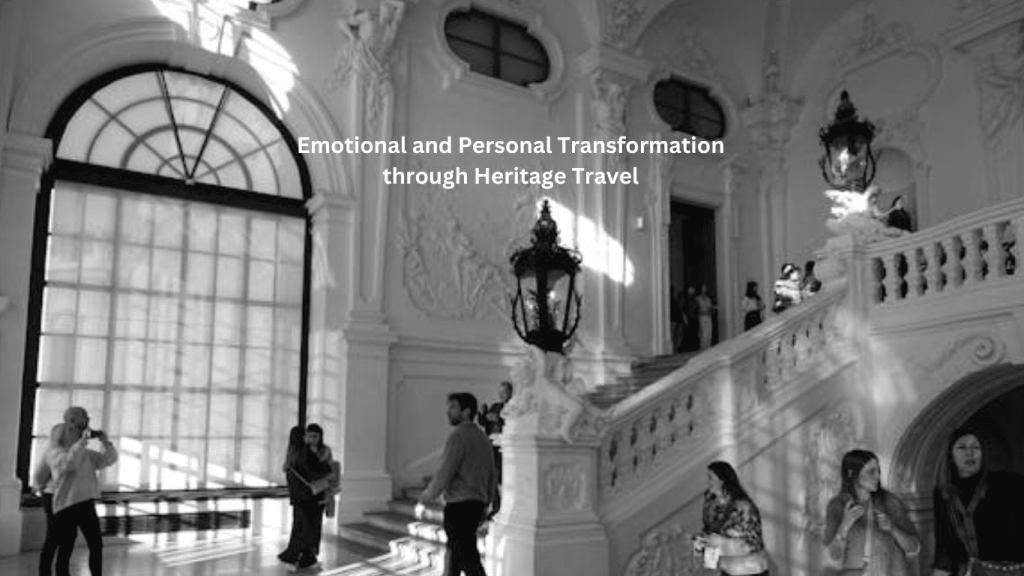
Visiting historical websites in Africa will coalesce mixed emotions collectively: bereavement, anger, healing, and satisfaction. Thousands of tourists testified that they’d had moments of profound introspection on the region where their grandfathers or forefathers lived, fought, and resisted. It’s now an adventure and a pilgrimage to oneself, stressing the importance of African identification, electricity in resilience, and the contribution closer to history.
Conclusion
Heritage tours with Ancestry can be existence-changing given that one receives to reconnect to their African historical past through getting to reconnect. The journeys may additionally empower and train people to be pleased with their roots. By attempting to preserve African history, each African and their diaspora holds the sacrifices and accomplishments related to their cultural history as linked to their forefathers’ cultural background. When they do, they ensure it’ll be inspiring for the future to go through the African kids. Going to the background website, collaborating in various cultural activities, examine of the ancestral tong are approaches forward to rediscovering themselves as African; this could be as long as the importance stays the same.
FAQs
1. Why have I visited African heritage websites to study my ancestors?
Visiting history websites in Africa can result in a higher understanding of one’s heritage. The visits offer direct exposure to places one’s ancestors might have stayed and worked, which could heighten one’s feeling of belonging.
2. Must-see heritage sites of African roots?
Some of the key websites to visit for ancient heritage would be;
Gorée Island in Senegal ancient island concerning the slave trade.
Cape Coast & Elmina Castles (Ghana): Historical fort where enslaved Africans had been held before being shipped off.
Ouidah (Benin): Where the “Door of No Return” is located, with deep-rooted Vodun records.
Great Zimbabwe Ruins (Zimbabwe): Ancient nation that epitomizes African civilization.
Robben Island (South Africa) is known for its anti-apartheid fight, and Nelson Mandela spent the majority of his years behind bars there.
3. How do I put together my African heritage before I go?
First, you can take a DNA test through corporations like AncestryDNA, 23andMe, or African Ancestry for an initial flavor of your ethnicity. In addition, you can examine history records, listen to family oral tales, and even locate professional genealogists specializing in African records.
4. What cultural values must I admire after visiting African historical websites?
Wear comfortable clothes, ask locals if you want to click pictures, be touchy about what overloads emotion, and richen the experience. At the same time, you engage sensitively with a neighbourhood manual.
5. What is the key to getting out of the fine when exploring an African historical past website?
How can you get out the best about your excursion?
Study the destination’s meaning in history. Explore to experience the residents firsthand and accumulate the cultural essence of the unique subculture as well.
Partake in cultural events like naming ceremonies, traditional dances, or workshops.
Reflect on your revelry by preserving a diary of your experience or even creating a documentary of your experience.
Read more Click Here
Other Articles

TSA and Aviation Protection Advisory Committee Face Changes Under Trump
The Black Experience in Europe: Cities You Will Love


