
Airlines around the world are struggling with rising fuel prices. Fuel is one of the biggest costs for any airline. When oil prices go up, airlines lose money or increase ticket prices. Many companies are finding it hard to survive. But one airline is handling the problem better than most others — Delta Air Lines.
Back in 2012, Delta made a surprising decision. The airline bought its own oil refinery. At that time, many people laughed at the idea. Critics said an airline should focus on flying planes, not producing fuel. But today, Delta’s decision looks very smart.
Why Fuel Prices Hurt Airlines
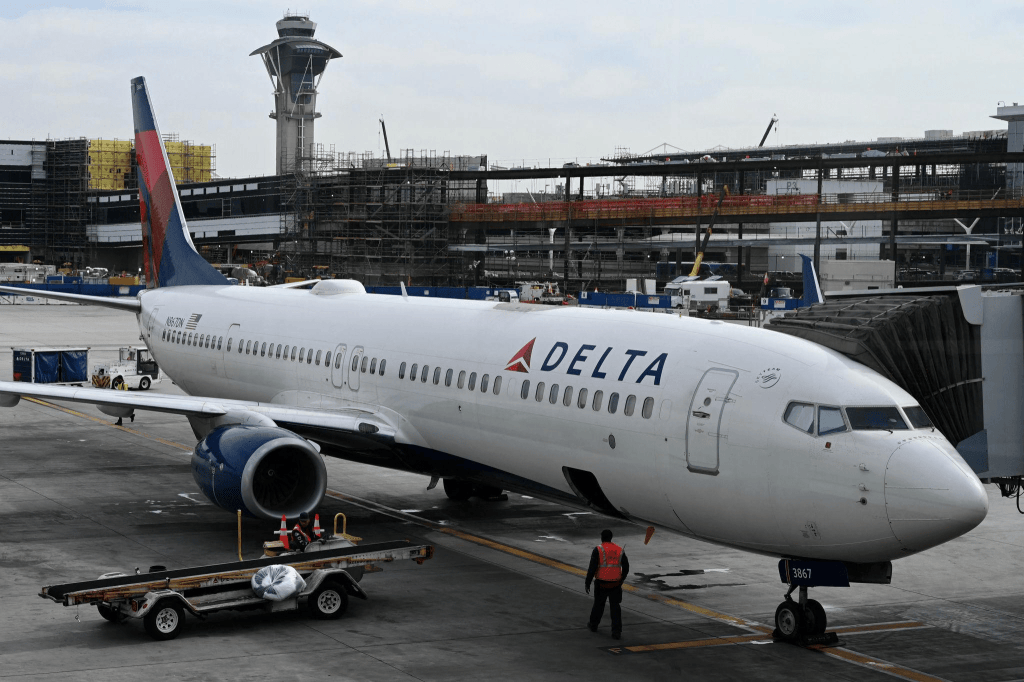
Jet fuel is necessary for every flight. Airlines use thousands of litres of fuel every day. Even a small increase in fuel prices can cost airlines millions of dollars.
When fuel becomes expensive, airlines usually:
- Raise ticket prices
- Cut routes
- Reduce staff
- Cancel flights
Many airlines depend completely on outside fuel suppliers. This means they have little control over fuel costs.
Delta’s Unusual Decision
In 2012, Delta bought the Trainer Refinery in Pennsylvania from Phillips 66. The deal cost around $150 million.
At first, people thought the idea was risky and strange. Airlines normally do not own refineries. Industry experts questioned why Delta would enter the oil business.
However, Delta had a simple goal: reduce fuel costs.
How the Refinery Helped Delta
The refinery produces jet fuel that Delta can use for its flights. This gives the airline more control over fuel supply and pricing.
Instead of buying all fuel from third parties, Delta can now produce part of its own fuel. This helps the company save money when fuel prices rise.
The refinery also allows Delta to exchange fuel with other companies in different regions. This creates additional savings and flexibility.
Over the years, Delta reported billions of dollars in fuel savings compared to competitors.
Other Airlines Struggled
Many airlines suffered heavy losses when global oil prices increased after the pandemic and during international conflicts. Fuel became one of the largest financial problems for the airline industry.
While other airlines were paying very high market prices, Delta had some protection because of its refinery investment.
This does not mean Delta avoided all problems. Running a refinery also has costs and risks. Oil markets can still affect profits. But the refinery gave Delta an advantage that most airlines do not have.
A Decision That Changed Opinions
In 2012, many people mocked Delta’s refinery purchase. They thought it was a bad business move. Today, many experts see it differently.
Delta’s decision showed long-term planning. The airline understood that fuel prices could become a major issue in the future. Instead of depending completely on suppliers, it created its own solution.
Conclusion
Delta Air Lines made a bold move when it bought an oil refinery in 2012. At the time, the decision looked unusual and risky. But rising fuel prices proved that Delta was thinking ahead.
While many airlines continue to struggle with expensive fuel, Delta’s refinery has helped the company reduce costs and stay stronger than competitors. Sometimes, the ideas people laugh at in the beginning become the smartest decisions later.


