
The Japanese yen has fallen close to its lowest level in almost 40 years. This has become a big topic in the financial world. The Japanese government is now warning that it may take action if the yen keeps getting weaker.
A weak yen affects many people. It changes the price of imported goods, travel, business, and international trade. Investors are also watching the situation very closely because any action by Japan could affect global markets.
In this article, we will explain why the yen is falling, what Japan is planning to do, and what this means for businesses and ordinary people.
What Is the Japanese Yen?
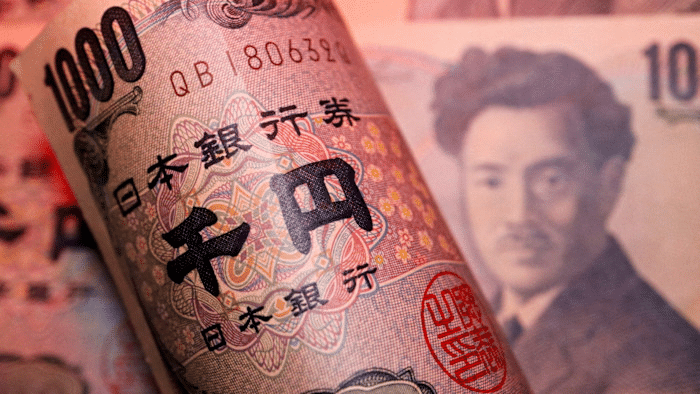
The Japanese yen is the official currency of Japan. It is one of the most traded currencies in the world. Many countries and investors use the yen for international trade and investment.
The value of the yen changes every day. It rises and falls depending on the economy, interest rates, inflation, and market demand.
Why Is the Yen Falling?
There are several reasons why the yen has become weak.
1. Low Interest Rates in Japan
Japan has kept its interest rates very low for many years. Other countries, especially the United States, have higher interest rates.
Because of this, many investors move their money to countries where they can earn better returns. This reduces demand for the yen and causes its value to fall.
2. Strong US Dollar
The US dollar has remained strong compared to many other currencies. When the dollar becomes stronger, the yen often becomes weaker.
Many investors prefer holding dollars because of higher interest rates and a stronger economy.
3. Market Confidence
Currency values also depend on investor confidence. If investors believe another country’s economy offers better opportunities, they may sell yen and buy other currencies.
This increases pressure on the Japanese currency.
What Does “40-Year Low” Mean?
When people say the yen is near a 40-year low, it means the currency has reached one of its weakest levels against the US dollar in almost four decades.
This is a very unusual situation. Many experts have not seen the yen this weak since the 1980s.
Because of this, governments, businesses, and investors are paying close attention.
Why Is Japan Warning of Possible Action?
Japanese officials have said they are ready to take action if the currency continues to fall too quickly.
They are concerned that sudden changes can create problems for businesses and families.
Possible actions may include:
- Buying yen in the foreign exchange market.
- Talking with financial institutions.
- Taking steps to reduce market volatility.
- Working with financial authorities to support the currency.
The government wants to prevent sudden and extreme movements rather than control normal market changes.
How Does a Weak Yen Affect Japan?
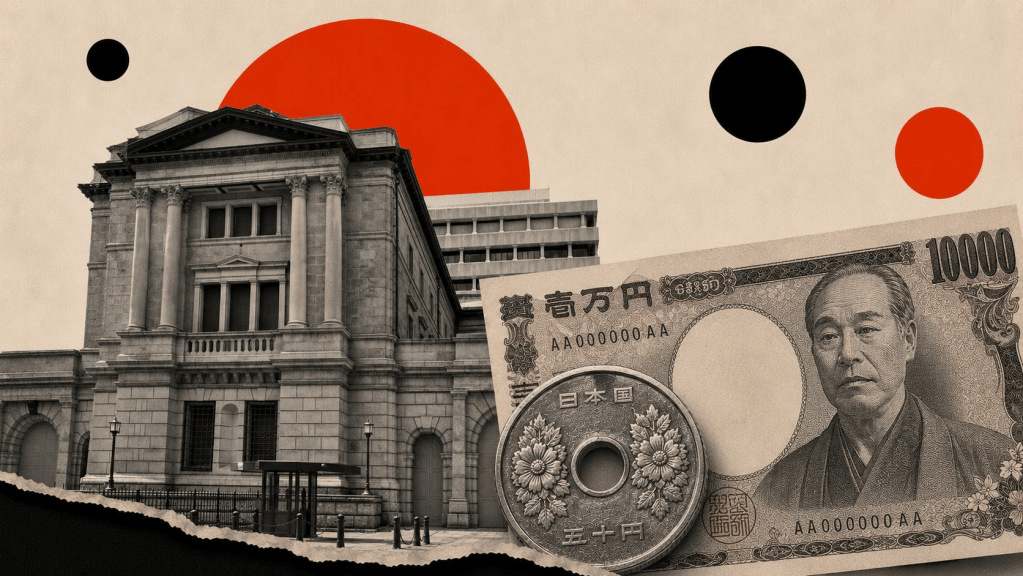
A weak yen has both advantages and disadvantages.
Benefits
A weaker yen makes Japanese products cheaper for foreign buyers.
This helps Japanese companies that export products such as:
- Cars
- Electronics
- Machinery
- Industrial equipment
Foreign tourists also find Japan less expensive because their money has more value.
Disadvantages
A weak yen also creates problems.
Japan imports many important goods, including:
- Oil
- Natural gas
- Food
- Raw materials
When the yen loses value, these imported products become more expensive.
Higher import prices increase the cost of living for many families.
Impact on Businesses
Different businesses are affected in different ways.
Export companies often earn more because overseas customers can buy Japanese products at lower prices.
However, companies that depend on imported materials face higher costs.
Small businesses may struggle if they cannot increase their prices to cover these extra expenses.
Impact on Consumers
Many Japanese families may notice higher prices in daily life.
Imported food, fuel, electricity, and household products can become more expensive.
People may spend more money on basic needs, leaving less money for savings or entertainment.
What Does This Mean for Global Markets?
Japan has one of the largest economies in the world.
When the yen moves sharply, global financial markets often react.
Investors around the world watch Japan because changes in its currency can affect:
- International trade
- Stock markets
- Investment decisions
- Currency exchange rates
If Japan takes action to support the yen, financial markets could become more active.
Could Japan Intervene Again?
Japan has stepped into the currency market before.
If officials believe the yen is falling too fast or causing economic problems, they may buy yen using foreign currency reserves.
This process is called currency intervention.
The goal is not to create a specific exchange rate but to reduce sudden and extreme market movements.
What Are Experts Saying?
Many economists believe the future of the yen will depend on several important factors.
These include:
- Japan’s interest rate policy.
- US interest rate decisions.
- Inflation levels.
- Global economic growth.
- Investor confidence.
If these conditions change, the yen could become stronger again.
What Should Investors Watch?
Investors should continue watching important financial news.
Some key events include:
- Announcements from the Bank of Japan.
- Statements from the Japanese government.
- Decisions by the US Federal Reserve.
- Inflation reports.
- Currency market movements.
These events can influence the value of the yen.
Conclusion
The Japanese yen is trading close to its lowest level in nearly 40 years. This has raised concerns among government officials, businesses, and investors around the world.
Japan has warned that it may take action if the currency continues to weaken too quickly. A weaker yen can help exporters and tourism, but it also increases the cost of imported goods and everyday living expenses.
The coming weeks will be important as markets watch Japan’s next steps. Whether the government intervenes or economic conditions change, the value of the yen will remain one of the most closely watched topics in global finance.
Other Articles


