
A Scandalous Air Travel Incident
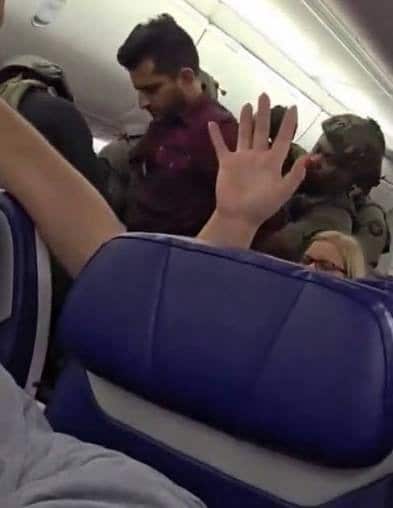
The airline came under scrutiny after a customer was reportedly removed from an aircraft for setting a timer to pray during Ramadan.
The incident quickly became a major topic online, bringing issues of religious freedom, airline regulations, and passenger rights into the spotlight. Public discussion surrounding the story sparked conversations about how airlines handle culturally and religiously sensitive situations.
What Happened Aboard the Flight?
The passenger reportedly had an alarm set on his phone to remind him of prayer time during Ramadan. Muslims commonly use prayer alarms for daily prayers, especially while traveling across different time zones.
However, the timer reportedly raised concerns among other passengers, leading to suspicion and ultimately the passenger being removed from the plane. Witnesses and social media users expressed outrage over the decision.
Understanding Ramadan and Prayer Practices
Ramadan is a deeply significant period for Muslims worldwide, marked by fasting, prayer, and spiritual reflection. Prayer times are an important part of daily religious practice.
Many Muslims use mobile apps or alarms to remind them of prayer times, particularly while traveling. Using timers for prayer reminders is a common and accepted practice within the Muslim community.

Passenger Safety vs. Misunderstanding
Airlines prioritize passenger safety above all else. Unusual or unfamiliar behavior can sometimes raise concerns, especially in the highly sensitive environment of air travel.
However, critics argue that this situation may have been the result of a misunderstanding rather than an actual security threat. They believe the simple prayer timer was misinterpreted, leading to unnecessary escalation.
Public Response and Social Media Backlash
The incident quickly went viral, with many people criticizing Southwest Airlines and accusing the company of discrimination.
Social media users raised concerns about profiling and the treatment of passengers based on their religious beliefs. Others defended the airline, arguing that security measures must be taken seriously regardless of intent.
Airline Security Procedures and Policies
Airlines operate under strict security regulations, and flight crews are trained to respond to potential threats.
Like other airlines, Southwest Airlines follows procedures designed to ensure passenger safety. However, incidents like this highlight the need for additional training to help staff distinguish between genuine threats and harmless cultural or religious practices.
Religious Sensitivity in Public Spaces
This incident has also raised broader questions about religious sensitivity in public spaces. Airports and airplanes bring together people from many different cultural and religious backgrounds.
Understanding and respecting these differences is important for maintaining harmony and preventing misunderstandings. Situations like this demonstrate how awareness and education can help avoid unnecessary conflict.
Legal and Ethical Implications
Removing a passenger from a flight under these circumstances could raise legal concerns. Questions involving discrimination, civil rights, and religious freedom may come into play.
Southwest Airlines could face scrutiny from legal authorities or advocacy groups if the passenger was treated unfairly. In addition, there are ethical concerns regarding how such situations are handled.
Impact on the Airline’s Reputation
Incidents involving sensitive issues can significantly affect an airline’s public image.
For Southwest Airlines, this controversy could lead to increased scrutiny and pressure for policy changes. Trust is extremely important in the aviation industry, and concerns like these must be addressed carefully and promptly.
Lessons for the Aviation Industry
This situation serves as a lesson for airlines around the world. Improved training programs focused on cultural and religious awareness could help prevent similar incidents.
Clear communication and balanced decision-making can help avoid unnecessary conflict while still maintaining high safety standards.
Cultural Awareness and Airline Training
The Southwest Airlines incident highlights a significant cultural awareness gap within the aviation industry. Because airlines serve passengers from diverse backgrounds, staff members regularly interact with individuals of different cultures and religions. However, cultural context is not always fully understood or interpreted correctly.
In this case, a simple prayer timer used during Ramadan was misunderstood. This suggests that more comprehensive cultural sensitivity training may be necessary for frontline airline staff. Understanding common religious practices such as prayer schedules, fasting, and prayer reminders could greatly reduce the risk of misinterpretation.
Communication is another important factor. When concerns arise on board, respectful and clear communication between crew members and passengers can prevent unnecessary escalation. Instead of immediately removing a passenger, a simple conversation may have resolved the confusion. This approach not only protects passenger rights but also strengthens trust in airline operations.
Technology also plays a role in situations like this. Mobile apps and phone alarms are commonly used for religious, personal, and professional purposes. A timer or notification alone should not automatically be considered suspicious behavior. Airlines may need updated guidelines that better distinguish everyday technology use from legitimate security threats.
Additionally, this case demonstrates the importance of balancing security measures with human judgment. While safety must always remain the top priority in aviation, overreacting to harmless situations can damage public trust and harm an airline’s reputation. A more balanced and informed decision-making process could help prevent similar controversies in the future.
Balancing Safety and Respect
The Southwest Airlines incident highlights the ongoing challenge of balancing passenger safety with respect for individual rights and religious practices.
While security should always remain a priority, it is equally important to approach situations with understanding, fairness, and cultural sensitivity. Moving forward, airlines must continue working toward creating environments that are both safe and inclusive for all passengers.
Other Articles


