
Introduction
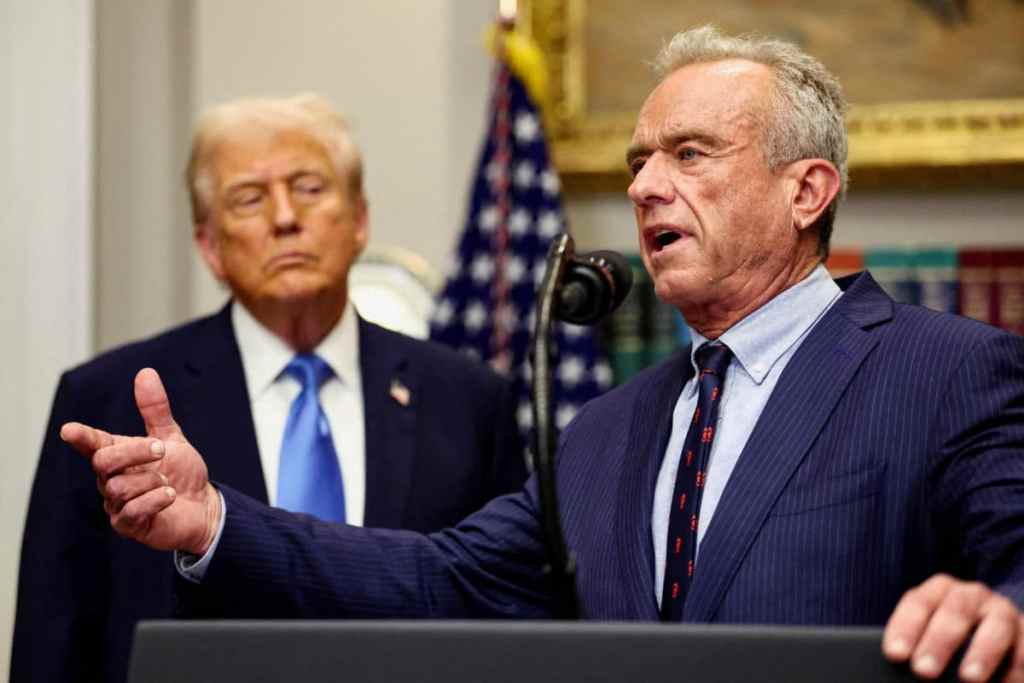
In April, news reports claimed that Robert F. Kennedy Jr., also known as RFK Jr., removed all cruise ship sanitation inspectors from their jobs. This decision quickly became a topic of debate across the United States. Many people are now worried about the safety and cleanliness of cruise ships.
Cruise Ship Sanitation Inspectors carry thousands of passengers every day. Clean food, safe water, and proper sanitation are very important on these ships. Without regular inspections, health risks may increase.
What Do Cruise Ship Sanitation Inspectors Do?
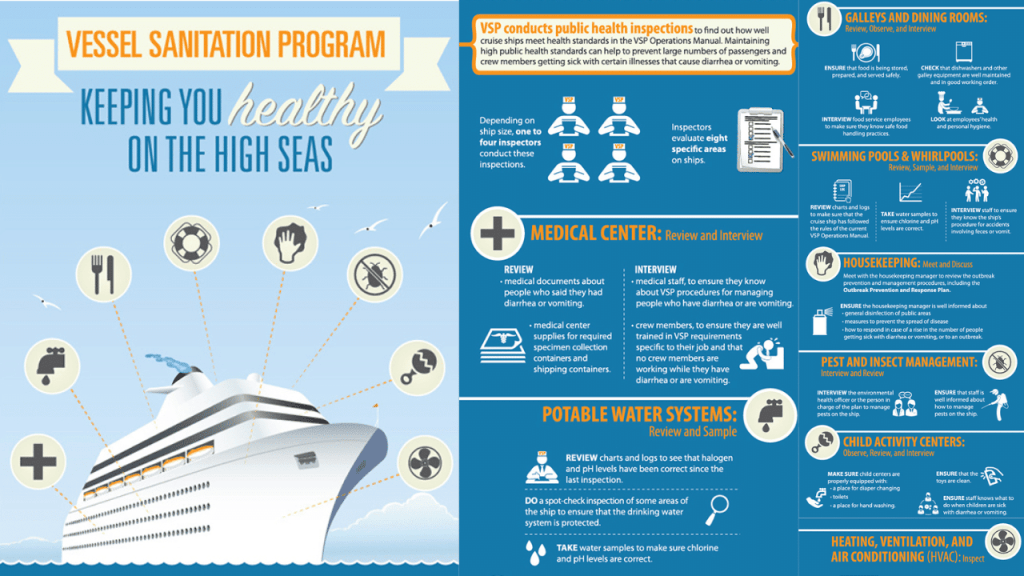
Cruise ship sanitation inspectors check ships to make sure they follow health and safety rules. Their work includes:
- Inspecting kitchens and dining areas
- Checking water systems
- Looking for signs of disease outbreaks
- Making sure cleaning standards are followed
- Testing food storage conditions
These inspectors help stop illnesses from spreading among passengers and crew members.
Why Did RFK Jr. Remove Them?
According to reports, the layoffs were part of a larger government cost-cutting plan. Supporters of the decision said the government wanted to reduce spending and change how health inspections are managed.
However, critics believe this move could create serious health problems. They argue that cruise ships need strong health monitoring because thousands of people live closely together during trips.
Some experts also said that removing trained inspectors may weaken public health protection.
Concerns From Health Experts
Health experts warned that cruise ships can quickly spread diseases if sanitation rules are not followed properly. In the past, outbreaks of stomach viruses and food poisoning have happened on cruise ships.
Without inspectors, experts fear that:
- Health problems may go unnoticed
- Ships may not follow strict cleaning rules
- Passengers could face higher risks of illness
- Disease outbreaks could spread faster
Many travelers now question if cruise ships will remain safe for families and tourists.
Cruise Industry Response
Several cruise companies responded by saying they still follow their own internal safety standards. They explained that keeping ships clean is important for business and customer trust.
Some companies promised to continue regular cleaning checks and employee training. However, many passengers still believe government inspections are necessary because independent oversight provides extra protection.
Travel groups and consumer organizations have also asked officials to reconsider the decision.
Public Reaction
The public reaction has been mixed. Some people support reducing government spending and believe private companies can manage sanitation on their own.
Others strongly disagree. They feel that public health should remain a top priority. Social media users, travelers, and medical experts shared concerns about possible future outbreaks on cruise ships.
Many people also worry that removing inspectors could damage trust in the cruise industry.
Conclusion
The decision to lay off all cruise ship sanitation inspectors in April has created major discussion across the country. Supporters call it a financial decision, while critics see it as a public health risk.
Cruise ships depend on strong sanitation systems to keep passengers safe. Without government inspectors, many people fear that health standards may become weaker over time.
The future impact of this decision is still unclear, but it has already raised serious questions about safety, health, and government responsibility.


