
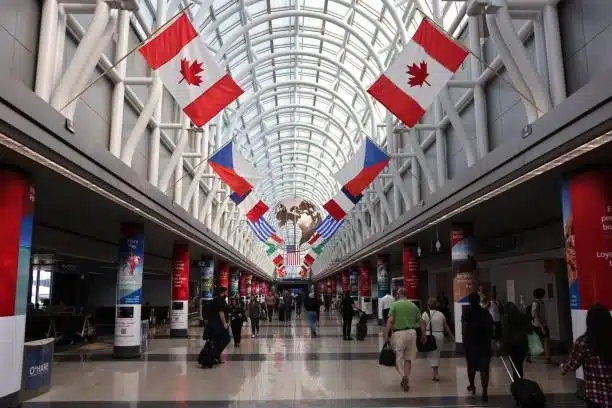
U.S. Customs and Border Protection (CBP) officers at Chicago O’Hare International Airport recently made a startling and dangerous discovery during a series of routine luggage examinations. While processing passengers from an international flight originating in the Democratic Republic of the Congo, agriculture specialists flagged several pieces of luggage for secondary inspection. The resulting search uncovered a significant cache of prohibited biological materials that posed a severe threat to both public health and the American agricultural economy. This high-stakes interception serves as a stark reminder of the rigorous efforts required to maintain biosecurity at one of the world’s busiest travel hubs. Officers remained vigilant as they sorted through personal belongings to identify the hidden contraband. The discovery reinforces the necessity of strict border controls in an increasingly connected global environment.
The Discovery of Prohibited Non-Human Primate Meat in Passenger Luggage
During the detailed search of the passenger’s suitcases, CBP agriculture specialists uncovered four pounds of what they officially identified as non-human primate meat. Often categorized as “bushmeat,” this seized material included several mummified and desiccated animal carcasses. In many parts of the world, drying or smoking meat is a traditional preservation method, but it does not eliminate the underlying biological risks. These small primates were wrapped and hidden among personal items, presumably intended for domestic consumption or distribution within the United States. Federal law strictly prohibits the importation of any non-human primate remains due to their potential to harbor catastrophic infectious diseases. Even small amounts of this material can lead to the introduction of foreign pathogens into the domestic population. The mummified appearance of the meat did not deter the specialists from their duty to protect the border.
Seizure of Pest-Infested Beans and Unknown Plants from International Travelers
The secondary inspection also yielded seventeen pounds of unknown plant material and eleven pounds of beans that immediately raised alarms for the inspection team. Upon closer examination with magnifying equipment, the specialists discovered that the beans were heavily infested with live, crawling pests. These insects, if allowed to enter the domestic environment, could potentially devastate local pulse and legume crops, which are a multi-billion dollar sector of the U.S. economy. Furthermore, the seventeen pounds of unidentified plants lacked the necessary permits or phytosanitary certificates required for legal entry. Specialists worked quickly to seal the contaminated materials to prevent any insects from escaping into the terminal environment. This proactive measure saved the local agricultural community from a potential infestation nightmare.
The Grave Danger of Bushmeat and the Spread of Zoonotic Diseases
The term “bushmeat” refers to raw or minimally processed meat derived from wild animals, including bats, non-human primates, and cane rats. The Centers for Disease Control and Prevention (CDC) classifies bushmeat as a primary vector for zoonotic diseases—illnesses that jump from animals to humans. Non-human primates are known reservoirs for devastating viruses such as Ebola, Marburg, and various strains of monkeypox. History has shown that even a single piece of contaminated meat can spark a localized outbreak or a global pandemic if handled or consumed improperly. By confiscating this mummified meat, CBP officers likely prevented a significant public health incident from unfolding on American soil. The biological threats associated with these wild animals are often invisible to the naked eye. Experts agree that the risk of transmission increases significantly during the butchering and preparation process of such animals.
The Critical Role of CBP Agriculture Specialists and Specialized K9 Units
CBP agriculture specialists serve as the front line of defense against biological threats and agro-terrorism. These highly trained professionals utilize advanced technology, including high-resolution X-ray machines and sophisticated laboratory testing, to identify prohibited items. However, some of their most effective tools are the specialized K9 units, often referred to as the “Beagle Brigade.” These dogs are trained specifically to sniff out the unique scents of hidden fruits, vegetables, and meats that humans might miss. Their keen senses allow officers to process thousands of bags quickly while maintaining a high level of accuracy. The success of the O’Hare seizure is a testament to the daily vigilance of these human and canine teams working in tandem. Without these dedicated teams, many dangerous items would slip through the cracks of the busy international arrivals hall.
Passenger Declarations and the Severe Legal Consequences of Non-Compliance
In this specific case, the passenger claimed they believed the items were acceptable for import, but ignorance of the law does not provide a legal shield. Every traveler entering the United States must formally declare all food, plants, and animal products on their customs declaration form. Failing to declare prohibited agricultural items can lead to civil penalties ranging from $300 to over $1,000 for a first-time offense. For more serious violations involving restricted wildlife or large quantities, travelers can face criminal prosecution and permanent loss of expedited travel privileges like Global Entry.
Protecting the $1 Trillion U.S. Agricultural Economy from Invasive Threats
The stakes for these seizures extend far beyond individual health risks; they involve the stability of the entire U.S. food supply. Invasive pests and foreign animal diseases cause an estimated $136 billion in economic losses annually in the United States. A single introduced pest, such as the Khapra beetle found in grain or certain fruit flies, can trigger massive crop failures and international trade embargoes. When CBP agriculture specialists intercept infested beans or illegal meat, they are protecting the livelihoods of millions of American farmers and ranchers. Their work ensures that grocery store prices remain stable and that domestic produce remains safe for millions of families across the nation. The ripple effect of a major agricultural outbreak would be felt in every household across the country. Protecting these vital resources is a matter of national security and economic survival.

Specialized Training for Detecting Concealed Biological Materials
CBP specialists undergo months of rigorous training to identify hundreds of different types of wood, seeds, and animal parts. This expertise is critical when dealing with travelers who try to disguise prohibited items as permitted goods. In many instances, illegal bushmeat is wrapped in multiple layers of plastic or hidden within containers of cooked food. Specialists must remain observant and skeptical to uncover these sophisticated smuggling attempts. The team at O’Hare regularly participates in continuing education to stay updated on emerging global disease trends. This knowledge allows them to prioritize inspections for flights arriving from high-risk regions. Their commitment to excellence ensures that the inspection process remains thorough and effective.
International Cooperation in Tracking Global Biosecurity Risks
The interception of monkey meat in Chicago is part of a larger global effort to monitor the illegal wildlife trade. U.S. authorities work closely with international partners to track the movement of prohibited biological materials across borders. Information sharing between countries helps identify new smuggling routes and methods used by traffickers. This collaboration is essential for stopping the spread of diseases that do not respect national boundaries. By stopping these items at the gate, the U.S. helps maintain global health standards. These efforts also help protect endangered species that are often targeted for the illegal bushmeat market. The fight against biosecurity threats is truly a worldwide endeavor.
Conclusion
The 2026 seizure of monkey meat and infested plants at Chicago O’Hare underscores the relentless nature of biosecurity challenges in an era of global travel. It highlights the crucial intersection of public health, national security, and economic protection. While travelers may view these items as traditional delicacies or harmless souvenirs, the biological reality is far more dangerous. Federal agencies like CBP and the CDC continue to work around the clock to ensure that mummified carcasses and invasive pests never make it past the airport terminal. As we move further into 2026, public awareness and honesty during the declaration process remain our best defenses against the invisible threats of the modern world. Staying informed about travel regulations is a responsibility every global citizen must take seriously.


