Black history tourism is rapidly changing the way cities approach culture, history, and travel. More travelers are seeking experiences that connect them to Black heritage. This trend is influencing tourism strategies, city planning, and the global economy. Black tourism provides a platform to celebrate achievements, honor struggles, and educate the public about the contributions of Black communities.
Tourists are now exploring historic neighborhoods, cultural landmarks, and museums dedicated to Black history. They are not just visiting popular attractions. They want meaningful interactions with local communities. Cities that embrace Black tourism are seeing increased engagement, economic growth, and cultural preservation.
The Rise of Black History Tourism
Black tourism has grown steadily over the past decade. Social media, documentaries, and travel influencers have made global audiences more aware of Black heritage sites. Travelers increasingly want to learn about the African diaspora and the histories that shaped modern societies.
Countries such as the United States, the United Kingdom, Ghana, and Brazil have reported rising interest in Black tourism. Tourists are visiting museums, historic districts, monuments, and cultural festivals. The trend also includes heritage tours, culinary experiences, and interactive storytelling. This type of tourism is not only educational but also deeply personal for many travelers. People seek to reconnect with their roots or explore cultures often underrepresented in mainstream travel.
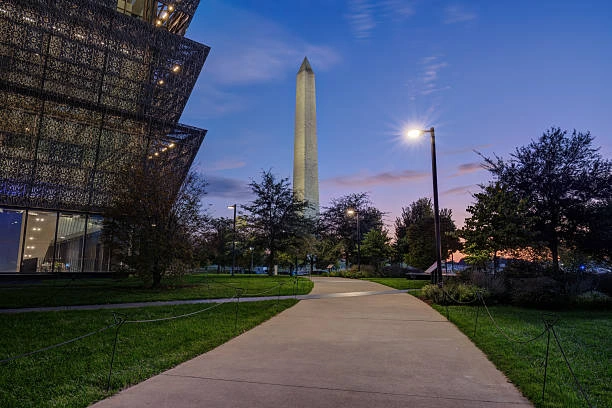
Economic Impact on Cities
Black tourism is having a measurable economic impact on cities worldwide. Local businesses, hotels, restaurants, and cultural centers benefit from increased foot traffic. Cities hosting heritage festivals or cultural events see significant revenue boosts.
Ghana’s “Year of Return” in 2019 is a prime example. Thousands of African Americans traveled to Ghana to explore ancestral connections. This influx brought millions in tourism revenue and boosted small businesses. Black history is proving that cultural tourism can be profitable. It shows that celebrating heritage is not just a social cause but also an economic opportunity.
Preservation of Historical Sites
The rise of history tourism is encouraging cities to preserve historical sites. Landmarks related to the African diaspora, civil rights movements, and Black culture are receiving more attention. Preservation efforts include restoring historic buildings, improving museums, and maintaining neighborhoods with cultural significance.
These projects are often funded by a combination of public money, private donations, and tourism revenue. Cities recognize that maintaining authentic experiences attracts more tourists. Black history tourism has thus become a catalyst for protecting heritage sites that might otherwise be neglected or forgotten.
Cultural Exchange and Education
Black history tourism promotes cultural exchange and education. Travelers learn about local traditions, art, music, and cuisine. They interact with guides, artists, and historians who bring stories to life.
Educational programs, walking tours, and museum exhibits allow tourists to understand historical struggles and achievements. Schools and community organizations often collaborate with tourism boards to create learning opportunities. This fosters mutual understanding between visitors and residents. Cities are becoming spaces of dialogue where history, culture, and identity are celebrated collectively.
Challenges Facing Black History Tourism
Despite its growth, history tourism faces challenges. Some cities struggle with infrastructure to handle increased visitors. Others risk commercialization that diminishes authenticity. There is also the challenge of accurately representing complex histories.
Tourism boards must balance economic goals with respect for communities and historical narratives. They must avoid turning Black heritage into a superficial attraction. True tourism requires collaboration with local communities. This ensures that stories are told accurately and respectfully.
Global Examples of Transformation
Several cities have embraced history tourism and transformed their cultural landscape.
In the United States, cities like Atlanta, Washington D.C., and New Orleans have curated tours highlighting civil rights history, jazz culture, and African American heritage. In the UK, London offers Black history walking tours in areas with historical significance to Caribbean and African communities.
Ghana has become a top destination for diaspora tourism. Cities like Accra host festivals, museum tours, and historic site visits that allow visitors to explore connections to ancestral roots. Brazil has also invested in cultural routes in Salvador and Rio de Janeiro, highlighting Afro-Brazilian history. These cities are not only destinations; they are hubs for education, cultural celebration, and economic growth fueled by history tourism.

Community Benefits
Black history tourism also benefits local communities. Increased tourism leads to job creation in hospitality, guiding services, and cultural production. Local artisans, performers, and small business owners gain platforms to share their work.
Communities experience a sense of pride as their heritage is recognized and valued. Tourism encourages younger generations to engage with their history. It also strengthens cultural identity and continuity. Black history tourism ensures that communities are not just visited but actively celebrated and supported.
The Role of Technology
Technology is shaping the way Black history tourism is experienced. Virtual tours, augmented reality, and mobile apps allow travelers to explore sites in new ways. Social media platforms help promote lesser-known destinations. Online content, reviews, and influencer stories inspire tourists to seek authentic experiences.
Cities are leveraging technology to improve visitor engagement. Museums now offer interactive exhibits, while historic neighborhoods provide guided mobile experiences. This integration of technology ensures that Black history tourism remains dynamic, accessible, and relevant to a global audience.
Future of Black History Tourism
The future of Black history tourism looks promising. Increasing awareness of social justice, heritage, and culture drives interest. Travelers are seeking deeper connections rather than surface-level experiences.
Cities are expected to invest further in infrastructure, marketing, and preservation. Collaboration between governments, local communities, and the private sector will be essential. The goal is to create sustainable tourism that respects heritage, boosts local economies, and educates visitors.
Black history tourism is no longer a niche market. It is a growing global movement. It has the power to transform cities, uplift communities, and foster meaningful cultural exchange.
Conclusion
Black history tourism is reshaping cities worldwide. It combines education, culture, and economic growth. Cities that embrace this form of tourism preserve heritage, empower communities, and attract visitors seeking meaningful experiences.
Travelers are reconnecting with history, exploring roots, and learning about the struggles and triumphs of Black communities. Local businesses benefit, cultural landmarks are preserved, and residents gain pride and recognition. Black history tourism proves that travel can be transformative, both for visitors and the cities they explore.
The movement continues to expand. It encourages cities to innovate, preserve, and educate. Black history tourism is more than sightseeing. It is a journey into history, identity, and shared human experience.
Other Articles

New 4-Star Resort Transforms Ghana’s ‘Door of No Return’ Into Renewal
Airbus Pilot Suspended After Inappropriate Conduct Caught on Camera