
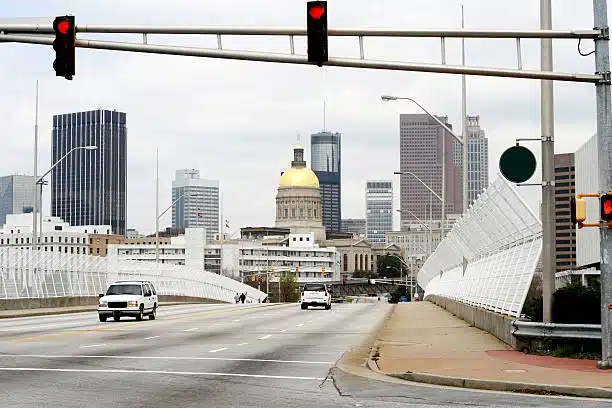
Atlanta has now overtaken New York in traffic congestion for 2025. Commuters face long delays every morning and evening across the city. Roads are consistently crowded from early morning until late at night. Traffic experts say the city struggles to manage all vehicles safely. Population growth has worsened the problem across major roads rapidly and steadily. Construction and repair projects add to daily travel delays for commuters and residents. Drivers report frustration, stress, and lost hours every week and month. Public Transportation options remain limited in many areas across Atlanta. Atlanta now ranks as one of the worst traffic cities in the United States. Officials promise new plans and strategies to improve traffic flow soon. Residents hope these changes will reduce travel times and stress significantly. Traffic has become a major concern for commuters and families alike. Long hours in traffic affect work schedules, family time, and productivity. The problem has caught national attention as congestion continues to rise.
Reasons Behind Atlanta’s Traffic Surge
Population growth has increased the number of cars on city streets. Many new drivers add strain to highways, main roads, and side streets. City planning has not kept up with rapid growth over recent years. Construction, road repairs, and utility projects make travel slower and unpredictable daily. Traffic signals are outdated and do not coordinate properly across intersections. Commuters rely heavily on private vehicles instead of buses or trains regularly. Limited metro and bus options force many residents to drive daily. Special events, sports games, and concerts worsen traffic congestion frequently and severely. Delivery trucks, rideshare vehicles, and service cars occupy major lanes often. Experts warn that traffic will continue to rise without immediate and effective solutions. Residents experience longer trips to work, school, shopping, and appointments every day. The problem affects all parts of the city during peak hours consistently. Traffic delays impact schedules, productivity, and the overall quality of life in Atlanta. Drivers face stress, uncertainty, and fatigue on a daily basis while commuting.
Comparison With New York Traffic
New York has improved traffic flow in many areas recently with new systems. Atlanta has now overtaken New York in congestion rankings for the first time. Roads in New York remain crowded but are better managed than Atlanta streets. Public transportation in New York reduces dependency on private vehicles significantly each day. Atlanta lacks extensive metro, light rail, and bus coverage compared to New York. New York Invested in Technology to monitor traffic and manage flow efficiently. Atlanta still struggles with outdated signals and frequent accidents every week consistently. Rush hour delays last longer in Atlanta than in New York during peak hours. Traffic experts are surprised by Atlanta’s rapid rise in congestion and delays. Drivers now spend more hours in traffic than they did several years ago. Congestion in Atlanta affects city centers, suburban areas, and major highways significantly. Comparison shows that public transport and planning reduce traffic problems more effectively. Residents now complain about time lost and increased stress compared to New York.
Impact on Commuters and Residents
Commuters face stress, fatigue, and lost work hours every single day consistently. People spend more time driving than completing other important tasks regularly. Families complain about long trips to school, work, and errands daily. Delivery and service companies face constant delays in completing their jobs efficiently. Traffic increases fuel consumption and transportation costs for all local residents. Residents report fatigue, stress, and irritation after long hours on roads regularly. Accidents happen more often due to heavy congestion across city streets. Emergency services face delays in reaching critical locations when needed most urgently. Many residents consider moving to less crowded suburban or rural areas nearby. Daily life is affected by traffic in almost every neighborhood in Atlanta. Stress, lost time, and travel difficulties reduce quality of life significantly. Heavy traffic also affects tourism, business, and overall city productivity substantially. Drivers express concern about safety and the unpredictability of daily commuting.

City Response and Future Plans
Atlanta officials are planning new roads, highways, and bridges to reduce congestion. They aim to improve travel flow during rush hours every single day consistently. Traffic lights will be upgraded and synchronized across the entire city efficiently. Public transport projects will expand to reach more neighborhoods and residential areas. Officials encourage carpooling to reduce the number of vehicles on city roads. Technology will monitor traffic patterns and manage flow more efficiently for drivers. Construction schedules will be Coordinated to Minimize travel delays for all commuters. Experts hope these improvements will restore faster commuting times and safer travel. The city promises regular updates to residents on progress and project completion. Public cooperation is key to solving traffic problems permanently in Atlanta effectively. Officials plan to implement long-term solutions to ensure smoother travel every day. The city aims to reduce accidents, fuel waste, and commuting stress overall. Residents are hopeful for positive changes and less stressful driving experiences.
Conclusion
Atlanta’s traffic problem has reached record highs in 2025 this year consistently. The city now ranks above New York in congestion nationwide and regionally. Commuters face stress, long delays, and wasted hours every single day consistently. Population growth and heavy car dependence are major causes of congestion currently. Officials plan upgrades to roads, highways, and public transport systems soon. Technology, planning, and carpool programs may improve travel times gradually and steadily. Residents hope for safer, faster, and more reliable commuting in the near future. Atlanta’s situation highlights the challenges of urban growth, traffic, and city planning. Cities must adapt quickly to rising traffic and growing population demands. Traffic solutions will determine the quality of daily life for residents significantly. Proper planning, investment, and innovation can reduce congestion and improve city life. Long-term strategies are essential to solve Atlanta’s traffic challenges effectively for everyone. Continuous monitoring and cooperation will help Atlanta manage future growth efficiently.
Other Articles
Frontier Airlines Launches New Nonstop Flights to Turks and Caicos
Unleash Your Inner Adventure at Texas ATV Rentals


