
Borderless travel is transforming the way people experience the world. Thanks to open-border policies, tourists can explore multiple destinations with fewer restrictions and more freedom. From Europe’s Schengen Zone to visa-free agreements in Asia and Africa, governments are realizing the power of tourism as a driver of economic growth and cultural exchange. Understanding how open-border policies shape tourism helps us see why the future of travel may be more connected than ever before.
The Rise of Borderless Travel Agreements
Open-border policies are not new, but their impact has grown in recent decades. The Schengen Agreement in Europe, which allows free movement across 27 countries, is one of the most famous examples. Similarly, regional blocs like ECOWAS in West Africa and visa-on-arrival systems in Southeast Asia make it easier for travelers to cross borders. These agreements encourage regional tourism and make multi-country trips more appealing. Read More
Borderless Travel Boosts Tourism and Local Economies
When travelers face fewer restrictions, they spend more time and money in multiple destinations. For example, a tourist in France may easily visit Spain, Germany, or Italy without applying for separate visas. This mobility increases hotel bookings, restaurant visits, and cultural tours. In turn, local economies benefit from higher tourism revenues, job creation, and stronger global visibility. Learn More
Cultural Exchange Without Borders
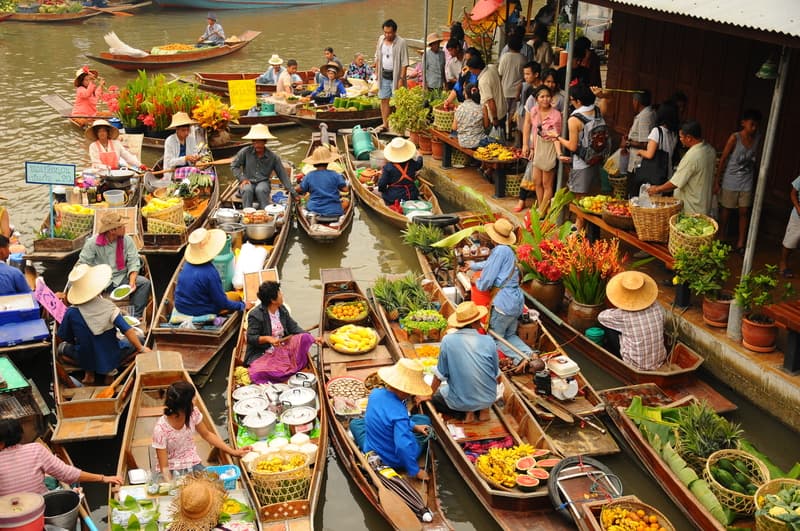
Open-border travel is not just about economics; it’s about connection. Moreover, when people move freely, they share traditions, cuisine, and language. Tourists gain a deeper cultural understanding, while locals engage with diverse visitors. For instance, border-free travel across Europe has created festivals, art collaborations, and culinary tourism experiences that draw global attention.
Challenges of Open-Border Tourism
Despite its benefits, borderless travel comes with challenges. Countries must coordinate on security, health standards, and immigration policies. The COVID-19 pandemic highlighted how fragile open travel systems can be when borders suddenly close. Additionally, some nations worry about over-tourism, which can strain infrastructure and natural resources. Therefore, balancing freedom of movement with sustainable tourism practices is crucial.
Technology’s Role in Borderless Travel
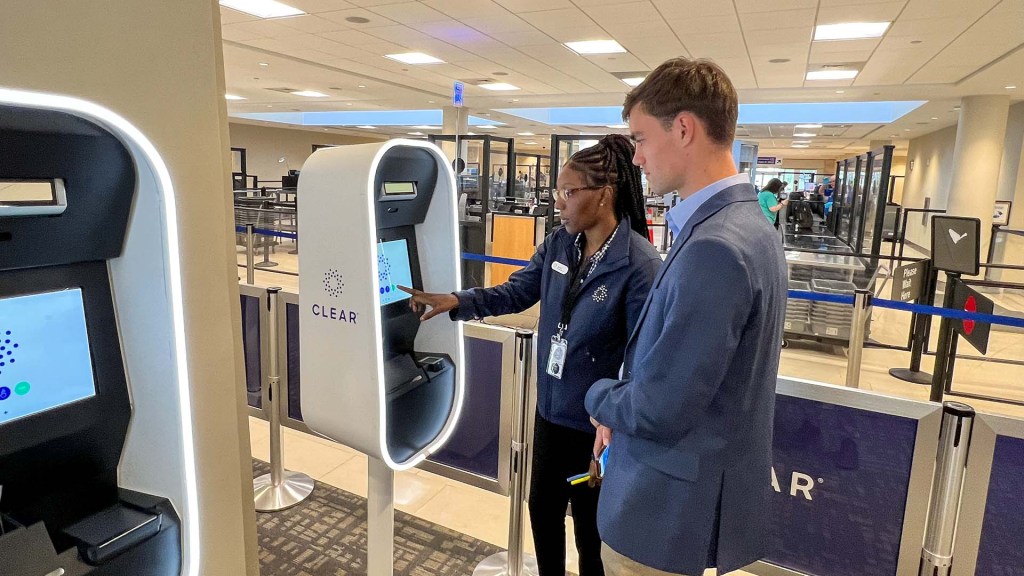
Digital tools are making open-border policies easier to manage. E-visas, biometric passports, and regional travel passes simplify the process of moving between countries while maintaining security. Innovations such as blockchain-based identity systems may further streamline future borderless travel.
Looking Ahead: The Future of Tourism Without Borders
As more countries recognize the benefits of seamless travel, borderless tourism is likely to expand. Regions in Africa, South America, and Asia are already working on visa-free travel zones to strengthen regional ties. If these efforts succeed, future travelers may enjoy trips across entire continents with minimal restrictions.
Conclusion
Open-border policies are reshaping tourism by making travel more accessible, affordable, and culturally enriching. While challenges remain, the benefits for economies and communities are undeniable. Borderless travel is not just a trend—it’s the future of tourism.
Ready to embrace borderless travel? Start planning your next adventure across open borders and experience how seamless tourism can connect cultures, economies, and people.
Other Articles

Paso Robles: The California Wine Country Secret Worth Discovering
Best Time of Year to Visit Iceland: A Month-by-Month Guide


