
1. Introduction
The Transportation Security Administration and the Aviation Safety Advisory Committee are the maximum critical components of the United States’ aviation security infrastructure. TSA was set up rapidly after the September 11, 2001, terrorist assaults. The TSA manages passenger and cargo security at all airports in the United States of America. The ASAC is an advisory committee that gives expert guidelines to the Federal Aviation Administration regarding protection topics. Both have substantially contributed to improving aviation security policy but have witnessed drastic modifications underneath the Trump administration, which might be debated on whether they may be effective and lengthy.
2. Airline Security as Focus of the Trump Administration
In truth, it had centred especially on countrywide protection and emphasized the need to be stricter in maintaining the United States’ security towards feasible threats. Airline safety was vital because it represented and effectively contributed toward protecting the kingdom. President Trump streamlined the bureaucratic inefficiencies of its bid for extra safety among the passengers whilst it got here to the method towards the aviation protection approach. A line of proposed reforms got here that turned into the TSA and ASAC so that their functionalities would be updated, aligning with the more extensive schedule of security proposed by using the management.
3. TSA Reforms Suggested
The most seen one would be the ability privatization of the TSA with the brand-new Donald Trump management at the helm. As critics see, the organization is becoming bloated and inefficient; even privatization supporters point out that private operators should serve tourists higher for the identical or lower price. The government focused on screening measures, considering the use of recent biometric technology and intensified visitor background checks. These steps have visible mixed reactions, wherein some welcome this call for exchange, even as others bemoan the lack of privacy and its practicality.
4. Privatizing TSA Operations
Privatizing the TSA was not new; however, it’s one of the famous steps in the Trump regime. Some accept that private safety companies have an exceptional function to be extra responsive and respond faster to new threats. However, critics lamented that the earnings-in-search of companies cannot, in reality, sacrifice protection because of increased income gains. Other logistical troubles emerged in changing the federal device right into a personal one in approaches, including personnel member retraining and standardization in any respect airports. All the debates on privatization stated that it’d be too harsh to have a secure machine on the but, time crateriform of Aviation Safety Advisory Committee
The Trump administration proposed reforms for the Aviation Safety Advisory Committee. The ASAC includes industry professionals, labour representatives, or government officials advising the FAA on protection matters. It justified that it will likely be faster and more targeted by becoming smaller and less within the hands of labour unions.
6. Industry Stakeholder Reactions
Industry gamers reacted mildly towards the mooted adjustments within the TSA and ASAC. The airline industries, in conjunction with the ones managing airfield terminals, welcomed moves made by the authorities to upgrade security measures because of its pursuit of ridding inefficiency and, in preference to those who took worries over imposing new technology, plus logistics at the back of its implementation at better fees. As pointed out in the ultimate chapter, labour unions were dissatisfied with the concept that their membership electricity declined inside the ASAC because of tension that fewer contributors could compromise on employee protection. Industry-huge reaction to this seemed to comprehend that something became amiss and had to be done; however, problems with value and practicability were constrained.
7. In Biometric Screening Technologies
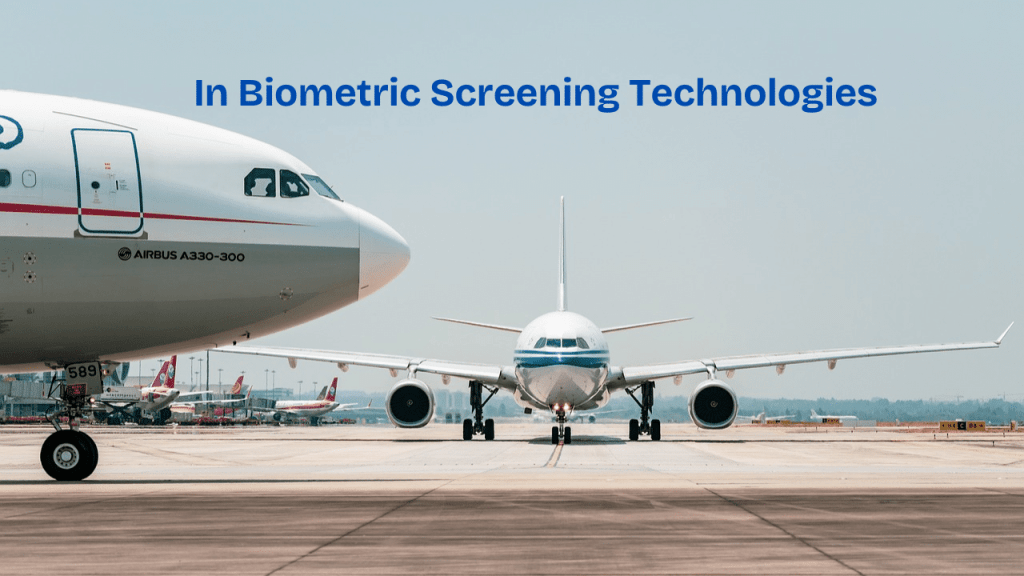
The primary emphasis on inculcating biometric screening technologies while working with TSA changed into implemented inside the Trump administration. Some of the other related technology consists of facial popularity and fingerprint scanning. Such technology is said to reinforce protection but make passenger screening processes simpler. Biometrics supporters claimed that they’ll reduce wait time and growth the detection accuracy of capability threats.
8. Challenges for Implementing Biometric Technologies
Though promising massive benefits of biometric technology, demanding situations stood in advance for implementing that era. Integration into the present infrastructures of an airport requires enormous funding and coordination on the part of airways, airports, and additional one-of-a-kind government companies. The difference is the reliability of biometric structures, specifically for excessive-visitors’ environments. The different hassle is that of inclusive of all varieties of passengers, disabled or specific of their wishes, into the implementation of such technology. There have to be good enough plans and coordination regarding the emphasis of the Trump administration on biometrics.
9. Increased Passenger Background Checks
The Trump administration also proposed some of the multiplied passenger historical past assessments. The administration argued more suitable screening might find extra people with ties to terrorists and other protection concerns. This consisted of gathering different non-public facts about social media conduct and tour information. While a few were upholding such provisions as essential steps for countrywide safety, others could criticize these because of violation of privacy and likely profiling. The biometric screening and advanced heritage exams proposed to TSA and ASAC further clarified the hallowed by no means-ending combat on balancing security with civil liberties.
10. Passenger Experience
Any thought via the TSA and ASAC would alter how passengers pass. Biometric screening and superior background tests may make safety more potent, but a wait and intensified tourist scrutiny are the problems. The authorities had a hobby in ensuring that there was a passenger-pleasant revel while improving safety. The stability of which becomes hard to hold. The responses from the passengers in the direction of these measures perceived as invasive numerous, yet maximum was welcoming to the idea of protection improvement. The protection corporations and passengers needed to adapt to their needs to the changing faces of aviation security.
Conclusion
The modifications of the TSA and Aviation Safety Advisory Committee under the Trump management marked a sharp turn for the United States aviation security coverage. Modernization and performance brought new possibilities, but change does increase vital questions about the stability of security, privacy, and worker rights. As threats remain dynamic within the evolving air, it will be crucial for the offerings of TSA and ASAC. Therefore, the close-future coverage-making needs to look at these disasters earlier and should own a green mechanism to face all the challenges that include it. The safety and welfare of every stakeholder will ensure secure creation within the aviation area.
Read more Click Here
Other Articles

Getting in Touch with Your Roots: Touring African Heritage Sites

[…] Read more Click Here […]