
An Emerging Global Trend
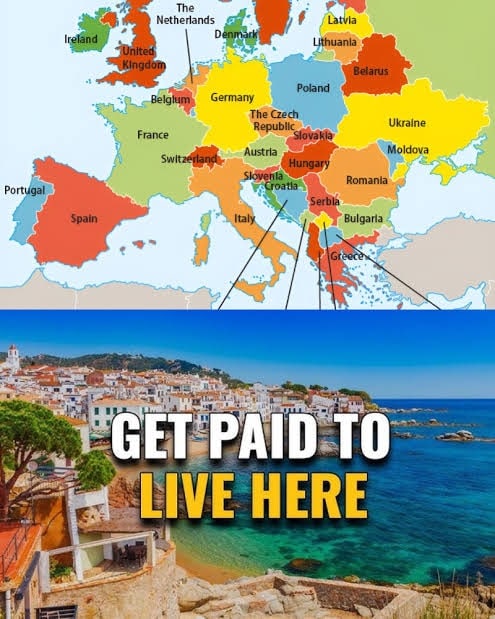
Recently, a surprising trend has emerged around the world: some countries are offering financial incentives for people to relocate. These programs are designed to strengthen local economies, address population decline, and attract skilled workers.
Rather than simply accepting immigration, several countries and regions are now actively encouraging people to move by offering cash grants, housing benefits, tax breaks, or startup funding. As a result, relocation has become increasingly attractive to remote workers, entrepreneurs, and individuals seeking a fresh start.
Why Are Countries Paying People to Relocate?
Demographic and economic pressures are the primary reasons behind these programs. Many rural areas are experiencing population decline as younger generations move to larger cities or other countries.
At the same time, governments want to stimulate local economies, revive declining towns, and address labor shortages. In response, they offer relocation incentives to attract new residents who can contribute to long-term economic growth.

Italy: Cash Grants and €1 Homes
One of the most well-known examples is Italy, which has offered relocation bonuses in small villages experiencing depopulation. In some towns, new residents who commit to living and working there may receive up to €30,000 in cash incentives.
Additionally, some regions offer so-called “€1 homes,” which are abandoned or foreclosed houses sold at symbolic prices, provided buyers agree to renovate them. These initiatives aim to revive historic villages and attract younger residents.
Switzerland: Albinen’s Cash Incentive Program
The Swiss mountain village of Albinen offers financial incentives to families willing to relocate there. The program provides cash payments per adult and child for applicants who purchase property and commit to permanent residency.
The initiative was created to reverse population decline in rural alpine communities, though applicants must meet strict requirements regarding property ownership and residency commitments.
Greece: Incentives for Island Living
Greece has also introduced programs designed to encourage people to move to smaller islands. Some initiatives provide monthly family allowances and housing support to families willing to relocate to remote areas.
Small islands with shrinking populations may offer incentives such as monthly stipends and free accommodation to encourage settlement and stimulate local economic activity.
Spain: Rural Settlement Bonuses
Several rural regions in Spain are offering financial incentives to attract new residents. These benefits may include relocation grants, housing assistance, and family support for households with children.
Some villages also provide direct cash bonuses or subsidized housing to encourage young professionals and families to settle in less populated areas and help revitalize local economies.
Chile: Startup Funding Instead of Direct Cash
Chile has taken a different approach by focusing on entrepreneurs rather than general relocation. Through its Startup Chile program, the government provides funding, mentorship, and business support to individuals willing to relocate and launch startups.
Instead of directly paying people to live there, Chile invests in innovation and entrepreneurship, making it one of the world’s most organized relocation incentive programs.
Japan: Rural Revitalization Incentives
Japan offers subsidies and financial assistance to encourage people to move from overcrowded cities to rural communities. These programs may include per-child cash assistance, housing support, and job placement services.
The goal is to reduce population imbalance between urban and rural areas while revitalizing struggling countryside communities.
Canada and New Zealand: Skill-Based Incentives
In countries such as Canada and New Zealand, relocation incentives are often tied to skills and labor shortages.
These nations may provide tax benefits, settlement assistance, and employment opportunities instead of direct cash payments. Some provinces and regions even offer financial rebates to graduates who choose to remain and work locally.

United States: City-Level Incentive Programs
In the United States, relocation incentives are generally offered at the city or regional level rather than through national programs. Cities such as Tulsa provide cash grants, housing support, and coworking benefits to attract remote workers.
These programs are intended to stimulate local economies and attract educated professionals who can work remotely while contributing to the community.
Risks, Reality, and Long-Term Sustainability
Although the idea of countries paying people to relocate may sound appealing, the reality is often more complex than social media headlines suggest. Most programs offered by countries such as Italy, Japan, or Spain are not simply “free money” opportunities but structured economic development initiatives designed to address issues like depopulation and labor shortages.
One common misconception is that relocation incentives guarantee financial stability. In reality, many of these destinations are rural or underdeveloped areas where job opportunities may be limited. While newcomers may receive initial cash grants or housing support, maintaining long-term financial stability may still require reliable employment or entrepreneurship.
Another important consideration is the cost of living compared to the value of the incentive. While some programs provide lump-sum payments or monthly support, those amounts may not fully cover ongoing expenses such as property maintenance, taxes, healthcare, and transportation. As a result, careful financial planning remains essential.
Cultural adaptation can also be challenging. Moving to a small town or rural community may require adjusting to new languages, customs, and lifestyles. In countries such as Japan or rural parts of Italy, integrating into local communities may take time, especially for foreigners unfamiliar with local traditions.
In addition, many relocation programs come with strict legal obligations. Some require participants to purchase property, remain in the area for a specific number of years, or contribute to local economic development. Failure to meet these requirements may result in losing the financial benefits or facing penalties.
From a policy perspective, these initiatives reflect a growing global trend: governments are increasingly competing for population growth rather than restricting migration. Skilled workers, entrepreneurs, and young families are now viewed as valuable economic assets, leading countries to offer incentives to attract them.
However, long-term sustainability remains a major question. While these programs may temporarily boost population numbers, their long-term success depends on whether new residents choose to stay, integrate into the community, and contribute to the local economy. Without ongoing job creation and infrastructure development, relocation incentives alone may not solve deeper demographic challenges.
Is Moving for Money Worth It?
Programs that pay people to relocate can offer exciting opportunities, but they often come with strict conditions and long-term commitments. Many require property purchases, residency obligations, or professional contributions to the local economy.
While these incentives can significantly reduce relocation costs, success ultimately depends on understanding the program requirements, local cost of living, and long-term sustainability. In the end, these initiatives are not simply about “free money,” but about strategic relocation that can potentially benefit both the individual and the country involved.
Other Articles

New Airport Lounge Rule Starts May 1st, 2026
