
In early January 2026, Iranian President Masoud Pezeshkian issued a severe warning to the international community. He stated that any attack on Supreme Leader Ali Khamenei would mean “full-scale war.” This rhetoric follows sharp exchanges with the U.S. government amid rising domestic unrest. For Black travelers, these developments create a highly volatile environment that requires immediate attention. The situation is changing rapidly as regional tensions reach a critical breaking point this month.
Understanding the “Full-Scale War” Declaration
President Pezeshkian’s comments were a direct response to suggestions of leadership changes in Iran. He described any strike against the Supreme Leader as an attack on the entire nation. This strong language signals a shift toward a much more aggressive defensive posture. The government blames foreign powers for the country’s current economic hardships and recent protests. Such declarations often lead to increased military activity and heightened security at all borders.
Nationwide Unrest and the Internet Blackout
Iran is currently experiencing widespread anti-government protests triggered by economic distress and currency depreciation. Reports indicate thousands of people have been killed or detained during recent demonstrations. To control the flow of information, the government has imposed a nationwide internet blackout since January 8. This makes it extremely difficult for travelers to communicate with family or access maps. Security forces are out in large numbers, and roadblocks are common in major cities.
Travel Advisories: Level 4 “Do Not Travel”
Multiple countries, including the U.S., Canada, and Australia, have issued Level 4 advisories for Iran. These warnings urge all foreign nationals to leave the country immediately while commercial options exist. The risk of arbitrary detention is currently at an all-time high for all foreign visitors. Governments warn they may not be able to provide consular assistance if you are arrested. For the Black travel community, being identified as a foreigner can lead to extra scrutiny.
Airspace Closures and Flight Disruptions
The threat of war has led to sudden, unannounced closures of Iranian airspace this month. Major airlines like Lufthansa, Air India, and Emirates are rerouting flights to avoid the region. A recent five-hour shutdown caused massive delays and diversions for travelers across the Middle East. If you are currently in Iran, your window to depart by air may close without warning. Always check with your airline multiple times a day for the latest status.
Risk of Arbitrary Detention for Foreigners
The Iranian authorities have a history of detaining foreign nationals to exert diplomatic leverage. In 2026, this risk has intensified due to the “full-fledged war” rhetoric. Travelers can be detained for seemingly harmless activities, such as taking photos or using GPS apps. The legal system in Iran does not provide the same protections found in many other nations. For Black tourists, the lack of a U.S. embassy in Tehran means there is no direct local support.
Navigating Land Borders: Türkiye and Armenia
For those unable to find a flight, land borders with Türkiye and Armenia remain open as of mid-January. The U.S. Virtual Embassy has advised citizens to consider departing by land if it is safe. Traveling overland requires extreme caution and should only be done on main roads during daylight hours. Ensure you have a valid passport and sufficient cash, as international credit cards do not work. Movement near border zones is highly monitored by both military and local police forces.
Economic Crisis and Currency Devaluation
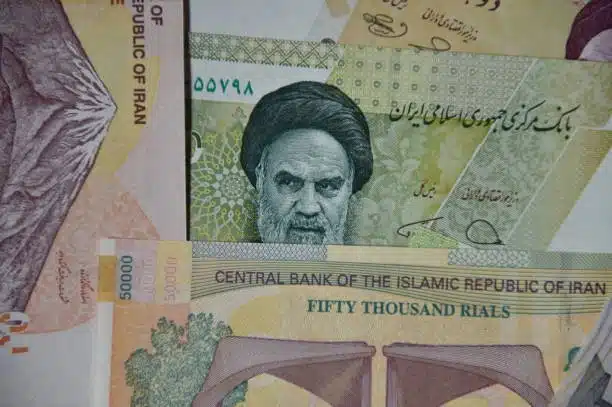
The Iranian rial has hit record lows against the US dollar in early 2026. This collapse has fueled the current protests as the cost of living skyrockets daily. Inflation for basic food items is currently reported to be over 70 percent. Travelers will find that carrying hard currency is essential as the local financial system remains isolated. Be aware that changing money on the street is technically illegal and carries high risk.
Religious Sites and Cultural Sensitivities
Despite the political turmoil, religious sites remain active but are under heavy surveillance. Travelers should avoid visiting popular shrines or mosques during peak prayer times to avoid large crowds. Security forces often monitor these areas for foreign influence or unauthorized documentation. Respecting local dress codes is more critical than ever to avoid unwanted attention. Ensure you are familiar with current 2026 modesty laws to prevent legal confrontations.
Health and Medical Access During Conflict
Public services, including hospitals and pharmacies, are facing disruptions due to the internet blackout. Access to specialized medications may be limited as supply chains are redirected for military use. If you are in the country, ensure you have a 30-day supply of personal prescriptions. Foreigners may find that international health insurance is not honored at many local clinics. Always keep a physical copy of your medical history and blood type with you.

The Role of the Swiss Embassy
Since there is no U.S. embassy in Tehran, the Swiss Embassy acts as the protecting power. They operate a Foreign Interests Section to provide limited emergency services to U.S. citizens. However, their ability to intervene in arrests involving dual nationals is extremely restricted. If you are detained, the Iranian government may not even notify the Swiss officials. It is vital to register your presence with the Smart Traveler Enrollment Program (STEP) immediately.
Strategic Communication and Safe Houses
With the internet down, travelers must rely on alternative methods for staying in touch. Many locals use satellite phones or localized mesh networks, but these can be illegal to possess. Identify safe locations, such as international hotels or trusted residences, where you can shelter in place. Maintain a “go-bag” with essentials in case you need to relocate at a moment’s notice. Share your emergency plan with friends outside the country via SMS when possible.
Conclusion
The declaration of a “full-fledged war” environment makes travel to Iran extremely dangerous in 2026. For Black travelers, the combination of civil unrest and international conflict creates a high-risk scenario. The best course of action is to follow official advisories and exit the country immediately. Staying informed and maintaining a low profile are your most effective tools during this crisis. Please prioritize your physical safety and stay in contact with your home country’s nearest mission.


