The 2026 Airline Water Study has officially been released to the public. This report evaluates the tap water quality on major and regional airlines. The Center for Food as Medicine and Longevity conducted this deep analysis. It analyzed compliance data from October 2022 through September 2025. This study provides a comprehensive look at water safety in the sky. It highlights a massive disparity between different air carriers. Some airlines offer exceptionally clean water to their passengers. Others continue to provide water that may be potentially unhealthy. The report examined thirty-five thousand water samples across twenty-one airlines.
Delta Air Lines Secures the Top Spot
Delta Air Lines earned a perfect score of 5.00 in this report. It is the only major airline to receive a Grade A. The carrier showed zero violations for E. coli during the study. Delta maintains rigorous disinfecting and flushing schedules for its aircraft. This commitment to cleanliness sets a high bar for the industry. Travelers can feel more confident using tap water on Delta flights. The airline prioritizes hygiene across its entire massive fleet of planes. This performance makes Delta the clear leader in global water safety. Frontier Airlines followed closely behind with a very high score of 4.80. These two airlines are the gold standard for clean onboard water.
American Airlines Ranks Last Among Major Carriers
American Airlines received the lowest score among the major U.S. carriers. The study identifies several violations of the Aircraft Drinking Water Rule. Researchers noted instances of bacterial contamination in some water samples. American Airlines insists its water program complies with federal law. However, the report places them at the very bottom of the list. This low ranking suggests a need for better maintenance and testing. Passengers may want to rethink drinking non-bottled water on these flights. The lack of consistency in water tank flushing is a major concern.
JetBlue and Spirit Also Receive Poor Grades
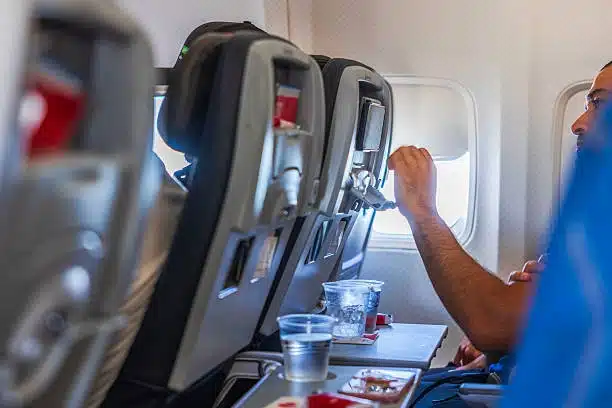
JetBlue and Spirit Airlines also struggled in the 2026 water rankings. Both carriers received a Grade D for their water safety protocols. JetBlue scored 1.80, showing little improvement from previous years’ reports. Spirit Airlines followed closely with a low score of 2.05. These scores reflect inconsistent testing and maintenance of onboard water tanks. Both airlines primarily serve bottled water for drinking to their passengers. However, their tap water is still used for coffee and tea. Experts warn that these low scores should concern frequent flyers. Frequent water tank stagnation is a contributing factor to these low scores.
Regional Airlines Show Concerning Levels of Contamination
Regional airlines performed significantly worse than the major national carriers. Mesa Airlines received a Grade F with a score of 1.35. This was the lowest score in the entire study. CommuteAir showed a high coliform-positive rate of over 33 percent. GoJet Airlines was the only regional exception to this trend. It earned a Grade B with a solid score of 3.85. Most regional carriers lack the resources for frequent water system flushing. This leads to a higher risk of bacterial growth in tanks. Small planes often sit idle for longer periods between scheduled flights. This stagnation allows bacteria to multiply quickly in the holding tanks.
The Risks of Coliform and E. Coli Bacteria
The report analyzed over 35,000 water samples across the aviation industry. Roughly 2.7 percent of these samples tested positive for coliform. Coliform bacteria indicate that more dangerous pathogens could be present. The study identified 32 separate violations involving E. coli specifically. These findings suggest that some aircraft water systems are poorly maintained. Contaminated water can lead to serious gastrointestinal illnesses for passengers. Experts advise travelers to be cautious with any non-sealed water. Using hand sanitizer in the bathroom is also highly recommended. E. coli in water is a serious public health threat.
Expert Recommendations for Safe Travel in 2026
Experts suggest avoiding any water that is not in a bottle. This includes coffee and tea made with onboard tap water. Travelers should also avoid washing their hands in airplane sinks. Using alcohol-based hand sanitizer is a much safer alternative today. Brushing your teeth with tap water is also not recommended. These simple steps can prevent illness during your next flight. Always fill your own bottle after passing through airport security. Bottled water is the only guaranteed safe option in flight.
Understanding the Aircraft Drinking Water Rule
The Aircraft Drinking Water Rule was established to protect passengers. It requires airlines to disinfect and flush tanks four times annually. Alternatively, they can flush once and test the water monthly. The 2026 report shows many airlines barely meet these requirements. Compliance data is often self-reported by the airlines themselves. This lack of independent oversight leads to gaps in water safety. The study suggests that federal regulations need a significant update soon. Testing should be more frequent and transparent for all travelers.
The Impact of Stagnant Water in Aircraft Tanks
Stagnant water is a primary cause of bacterial growth on planes. Water sits in tanks during long layovers or maintenance periods. Temperature fluctuations in the cargo hold also affect water quality. Bacteria thrive in warm and unmoving water environments. Most aircraft do not have continuous water flow like cities. This makes the water systems vulnerable to biofilm and slime. Regular flushing is the only way to clear these contaminants out. Many airlines fail to prioritize this essential maintenance task regularly. This neglect results in the poor scores seen in the report.
Regional Carriers and the Oversight Gap
Regional carriers often fly older planes with less modern plumbing. These airlines frequently operate on very tight budgets and schedules. Maintenance of water systems often takes a backseat to mechanics. The 2026 study highlights a major oversight gap for regionals. These carriers serve millions of passengers every single year. Yet, their water quality remains significantly below major airline standards. CommuteAir and Mesa Airlines show the highest risks for passengers. Travelers on these flights must be especially vigilant about water. Always assume the tap water is not safe for consumption.
The Future of In-Flight Water Filtration
Technology may provide a solution to these persistent water issues. Some new aircraft are being fitted with UV filtration systems. These systems can kill bacteria as water flows to the tap. However, retrofitting older planes is an expensive and slow process. Most airlines are currently focusing on cheaper manual cleaning methods. Industry experts hope that 2026 will see more tech adoption. Better filtration would eliminate the need for frequent tank flushes. Until then, the risk of contamination remains a reality. Passengers should continue to advocate for better onboard hygiene standards.
How to Check Your Airline’s Water Safety
Travelers can access the full report to see specific scores. The Center for Food as Medicine provides detailed carrier breakdowns. You can check the “Water Safety Score” for your next flight. Scores above 3.5 are considered relatively safe for general use. Scores below 2.0 indicate a high risk of bacterial presence. Knowing your airline’s grade can help you prepare for travel. You might pack extra hand sanitizer or larger water bottles. Transparency is the first step toward improving industry-wide water quality. Stay informed to protect your health while flying at altitude.
Conclusion: The Need for Stricter Federal Enforcement
The study also criticizes the EPA for weak enforcement of rules. Civil penalties for water safety violations remain extremely rare today. Researchers argue that the current federal standards are not enough. Airlines must prioritize water tank hygiene to protect their customers. Future reports will continue to monitor these critical safety metrics. Until improvements are made, passengers should stick to bottled beverages. Clean water is a basic right for every air traveler. The industry must work harder to ensure a safe experience. Federal agencies need to levy fines for repeated safety violations.
Other Articles

Best Michelin-Recommended Culinary Travel Spots for 2026
Common Cultural Etiquette Mistakes Travelers Learn Too Late