
The year 2026 is seeing a massive surge in experiential and “deep-dive” international travel. More travelers are venturing far beyond traditional tourist hubs into culturally sensitive regions. However, many visitors inadvertently offend their hosts because they rely on home-country social norms. Experts note that cultural slip-ups often happen with the most “universal” gestures. Simple acts like a thumbs-up or a smile can carry vastly different meanings. Understanding these nuances is essential for fostering genuine connections and avoiding social friction. Most travelers only realize their errors after a noticeable shift in local atmosphere. By then, the unintentional damage to a social interaction is often already done. Learning these rules beforehand is the only way to navigate the world with true grace.
The Global Minefield of Common Hand Gestures
Most people believe that a thumbs-up or an “OK” sign is globally positive. In 2026, travel experts warn that this is one of the most frequent mistakes. In countries like Türkiye, Greece, and parts of the Middle East, a thumbs-up is offensive. It is often considered the local equivalent of the middle finger in Western cultures. Similarly, the “OK” sign is a grave insult in Brazil and parts of Southern Europe. Using your index finger to point is also considered aggressive in many Southeast Asian nations. Instead, locals often use an open hand or a subtle chin movement to indicate direction. Even a friendly wave can be misinterpreted as “come here” or a dismissive gesture. Always observe how locals use their hands before mimicking any gestures yourself.
Misunderstanding Physical Boundaries and Personal Space
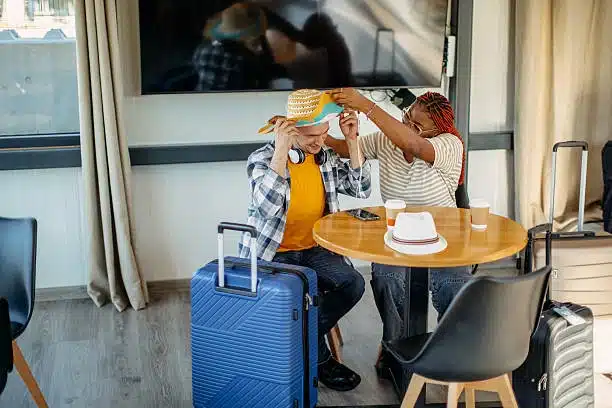
The concept of “the bubble” varies wildly as you move across different global regions. In North America and Northern Europe, a large amount of personal space is preferred. Standing too close to someone in Sweden can be perceived as an intrusive act. However, in Mediterranean and South American cultures, close physical contact is a sign of warmth. Stepping back during a conversation in Italy might be seen as cold or unfriendly. This can lead to a “tango” where the traveler retreats while the local advances. Furthermore, physical contact like a pat on the head is strictly taboo in Thailand. The head is considered the most sacred part of the body in Buddhist tradition. Even an affectionate gesture toward a child can cause deep offense to their parents.
The Unspoken Rules of the International Dinner Table
Dining is the heart of cultural exchange, yet it is full of hidden traps. In Japan and South Korea, sticking your chopsticks upright in rice is a major taboo. This gesture mimics incense used at funerals and is seen as a bad omen. Conversely, slurping your noodles in Japan is a compliment that signifies you enjoy the meal. In Western Europe, particularly France, asking for salt or ketchup is often seen as an insult. It implies that the chef failed to season the dish properly before it was served. Additionally, the “clean plate” rule varies significantly by country and local tradition. In China, leaving a small amount of food shows that your host was generous. Finishing every last bite might suggest that they did not provide enough food.
The Subtle Language of Greetings and Eye Contact
How you say “hello” can set the tone for your entire stay in 2026. In the United States, direct eye contact is a sign of honesty and confidence. However, in Japan and many parts of Africa, prolonged eye contact can be seen as aggressive. Lowering your eyes is often a sign of respect, especially when speaking to elders. Greeting rituals also range from a slight bow to multiple cheek kisses in France. Failing to offer the correct number of “bises” can lead to a very awkward start. In some cultures, a handshake must be gentle, while in others, it must be firm. Some Middle Eastern cultures prohibit physical contact between men and women who are not related. Always wait for the local to initiate the form of greeting they prefer.
Dress Codes and the Respect for Sacred Spaces
What you wear is often seen as a direct reflection of your respect. This is particularly true when visiting religious sites like temples, mosques, or European cathedrals. Many travelers learn too late that “modest dress” means different things in different places. In 2026, many Italian churches strictly enforce the covering of both shoulders and knees. You may be denied entry to St. Peter’s Basilica if your attire is too casual. In many Asian countries, removing your shoes before entering a home or temple is mandatory. Walking inside with shoes on is considered a significant breach of local hygiene rules. Even wearing certain colors or symbols can have unintended political or religious meanings in some areas. Carrying a light scarf is a smart way to stay prepared for sudden changes.
The Nuance of Tipping and Service Expectations
Tipping is perhaps the most confusing aspect of international travel etiquette for many people. In the United States, a 20% tip is standard and often expected for most services. However, in Japan, leaving a tip can be perceived as a genuine insult. It suggests that the employer does not pay their staff a fair living wage. In most of Europe, a small “service charge” is already included in the bill. Rounding up to the nearest Euro is usually sufficient and appreciated by the staff. Travelers who over-tip in non-tipping cultures can inadvertently drive up local prices for residents. This phenomenon is often referred to as “tipping inflation” in popular 2026 travel journals. Always research the specific tipping culture of your destination to avoid causing any local resentment.
Navigating Taboo Topics and Conversational Landmines
Not every topic that is popular at home is appropriate for international dinner conversation. In many countries, discussing politics or religion with new acquaintances is considered very poor form. In Thailand, any negative comment about the monarchy is a serious legal and social offense. Travelers have been arrested for seemingly minor comments about the royal family in public. In Germany, talking about personal finances or salary is generally seen as an invasive question. Similarly, asking a person’s age or weight is considered highly inappropriate in many cultures. It is often safer to stick to topics like food, art, or local landmarks. Let your host lead the way when it comes to more personal or sensitive subjects. This ensures that you remain a welcome guest throughout your stay.
Conclusion: The Importance of the Humble Apology
No matter how much you research, you will likely make a cultural mistake. The key to a successful trip is how you handle those inevitable blunders. A sincere and humble apology is universally understood and usually very well received by locals. Most people appreciate the effort you are making to learn and respect their traditions. By showing that you are a student of their culture, you build mutual respect. Traveling in 2026 is about more than just seeing new sites and taking photos. It is about understanding the human connections that make our world so beautifully diverse. A little bit of cultural research goes a long way in ensuring a smooth journey. Keep an open mind and a respectful heart as you explore new horizons.
Other Articles


