
Planning a trip in 2026 involves more than just flights and hotels. Many travelers find their bank accounts drained by stealth costs. These expenses often appear in the fine print or at checkout. Small fees can quietly add hundreds of dollars to your total spend. Strategic travelers account for these gaps before they leave home. Understanding these hidden charges is the key to a stress-free journey. You should build a buffer of at least fifteen percent for your budget. This ensures that a few surprise bills won’t ruin your entire vacation. Knowledge is your best tool for keeping your travel finances under control.
The Digital Toll of International Data Roaming
Staying connected is a primary necessity for modern travelers in 2026. However, traditional carriers still charge high daily rates for international roaming. These fees can reach fifteen dollars per day for a single line. A two-week trip could cost you over two hundred dollars in data. Smart travelers now switch to affordable eSIM plans before they depart. An eSIM offers local data rates without the need for physical cards. This simple digital swap can save you a significant amount of money. Always check if your smartphone is compatible with eSIM technology first. Avoiding the roaming trap is the easiest way to protect your budget.
Mandatory Resort Fees and Daily Convenience Charges
Many hotels now advertise low nightly rates to attract online bookings. However, they often add mandatory resort fees during the final checkout. These fees can range from twenty-five to fifty dollars per night. They supposedly cover amenities like pool access or in-room coffee. Some properties even charge for high-speed Wi-Fi that should be standard. These junk fees are often buried deep within the booking terms. You should always confirm the total price including all taxes and fees. Calling the hotel directly can help clarify these hidden daily costs. Consider staying in boutique hotels that do not use this pricing model.
Local Tourist Taxes and Regional City Levies
Many popular European and Asian cities have introduced new tourist taxes. These are often separate from your initial hotel or rental payment. Cities like Amsterdam and Venice now charge several Euros per person daily. This tax is usually collected in cash upon arrival at your lodging. It is used to fund local infrastructure and manage over-tourism effects. Travelers often forget to set aside local currency for these specific fees. Failing to plan for these taxes can lead to awkward arrival moments. Always research the city tax rules for your specific 2026 destination. These small daily amounts add up quickly over a long stay.
Currency Conversion and Sneaky Foreign Transaction Fees
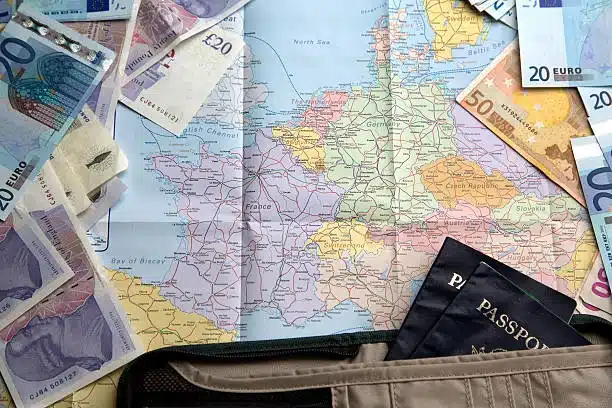
Using your standard credit card abroad can lead to unexpected surcharges. Many banks charge a three percent fee for every international purchase. This applies to everything from expensive dinners to small souvenir magnets. You may also face Dynamic Currency Conversion at local retail terminals. The machine will ask if you want to pay in dollars. Always choose the local currency to get the best exchange rate. Paying in your home currency often includes a hidden five percent markup. Look for a travel credit card that offers zero foreign transaction fees. These cards are essential tools for the savvy 2026 international traveler.
The Rising Cost of Modern Ground Transportation
Getting from the airport to your hotel is rarely a free service. Airport transfers can sometimes cost as much as a short flight. Ride-sharing apps often implement surge pricing during busy flight arrival times. Some cities also charge luggage surcharges on their public transit lines. Rental car companies often add fees for extra drivers or GPS units. Returning a rental car with a partially empty tank is very expensive. Agencies may charge over ten dollars per gallon for the refueling service. Researching local shuttle options can save you a lot of money. Pre-booking your airport transport is a smart move for your wallet.
Pre-Departure Expenses and Necessary Documentation Costs
Your travel budget actually begins long before you head to the airport. Passport renewals and visa application fees are significant upfront costs in 2026. Some countries require specific vaccinations that are not covered by insurance. You might also need to buy universal power adapters for your electronics. Travel-specific gear like lightweight jackets or new luggage adds up quickly. Even a small carry-on scale can be a worthwhile initial investment. It helps you avoid overweight baggage fees at the airport check-in counter. Don’t forget to include these Day Zero costs in your total budget. Proper preparation prevents financial surprises once your journey finally begins.
Unexpected Health and Safety Requirement Expenses
Traveling in 2026 may involve new health and safety documentation costs. Some regions still require specific medical certificates or health passes for entry. A yellow fever vaccination can cost between fifty and one hundred fifty dollars. These specialized medical visits are rarely covered by standard domestic health insurance. You might also need to provide proof of travel-specific medical coverage. Some countries mandate that visitors carry insurance with specific high payout limits. Failing to provide this proof can result in denied entry or heavy fines. Always check the latest health requirements on official government travel websites. Factor these medical costs into your early planning stages to avoid stress.
Tipping Customs and Mandatory Service Gratuities
Tipping culture varies dramatically as you cross international borders in 2026. In the United States, a twenty percent tip is the expected standard. However, many Caribbean resorts automatically add mandatory service charges to your bill. These gratuities can add hundreds of dollars to a week-long stay. Travelers often forget to budget for these automatic additions to their total. Conversely, over-tipping in countries like Japan can actually be seen as offensive. Researching local customs helps you avoid both social and financial blunders. Check your restaurant receipts carefully for terms like “service included” or “servizio incluso.” Knowing when to tip ensures your money goes where it is truly intended.

The Financial Weight of Overweight Baggage Fees
Airlines have become increasingly strict with weight limits for all luggage. Even being two pounds over the limit can trigger a massive fee. These charges can range from thirty to one hundred dollars per bag. Budget carriers often have much lower weight allowances than full-service airlines. Many travelers forget to account for the weight of their holiday souvenirs. A portable luggage scale is a small investment that saves huge costs. Always pre-book your baggage allowance online to secure the lowest possible rates. Checking your bag at the airport counter is usually the most expensive option. Stay organized to keep your transportation costs from ballooning at the terminal.
Hidden Costs of Attraction Access and “Free” Tours
Many famous global landmarks now require paid timed-entry reservations in 2026. While some city squares are free, entering the adjacent cathedral often costs money. Even “free” walking tours carry a strong expectation of a significant tip. These voluntary gratuities are how most local guides make their living today. Entrance fees to major museums like the Louvre continue to rise annually. Accessing a cathedral dome or a private garden often requires a separate ticket. These small activity fees can quickly add twenty dollars to your daily spend. Research official museum websites to find free admission days or discount hours. Pre-booking these tickets online can also help you avoid long, costly lines.
Conclusion: Mastering the Art of the Resilient Budget
Hidden expenses thrive on your assumptions and the fine print. By staying alert and reading terms carefully, you keep your money. 2026 is a year of incredible travel opportunities and new adventures. Don’t let a bait and switch price ruin your holiday spirit. Build your budget with these overlooked costs in mind from the start. This proactive approach allows you to focus on the experience itself. You can enjoy your trip knowing every dollar is well-spent. True luxury is the peace of mind that comes with planning. Happy travels and may your budget remain perfectly intact this year.
Other Articles

Americans Among Foreign Tourists Stranded on Desert Island in Yemen
How Local Tour Guides Change the Way You Understand Destinations


