The global travel landscape has reached a fascinating turning point in 2026. For decades, the primary goal of international travel was to see famous monuments. Today, nearly eighty percent of travelers prioritize food when choosing their next destination. This shift signifies a move from passive sightseeing to active sensory participation. Travelers are realizing that landmarks often represent the past of a nation. Conversely, the local food scene represents the living, breathing heart of a culture. A meal offers a level of intimacy that a stone statue simply cannot. Culinary experiences provide a direct gateway into the daily lives of local residents. This evolution is redefining how we measure the success of a journey.
The Multisensory Power of Culinary Memory Construction
Psychologists in 2026 highlight the unique way our brains encode food memories. Sightseeing is primarily a visual activity that can often feel quite detached. Eating involves all five senses, including taste, smell, texture, and even sound. This multisensory engagement creates much stronger and more resilient neural pathways in our brains. You may forget the exact height of a tower over time. However, the taste of a specific street-side spice will remain vivid forever. This phenomenon is often referred to as a “Proustian moment” in travel. Food anchors your experiences in a specific time, place, and emotional state. These sensory details make culinary memories far more “retrievable” than visual ones.
Understanding Local Identity Through Authentic Heritage Flavors
Every dish tells a complex story about geography, climate, and ancestral history. In 2026, travelers use food to decode the identity of a new region. Ingredients reveal what the local land can provide and what it lacks. Traditional recipes often reflect centuries of migration, trade, and even political shifts. When you eat local food, you are participating in a cultural exchange. You are literally consuming the history and the wisdom of the local people. This provides a level of understanding that guidebook facts cannot match. Food explains how a society lives and what they truly value today. It turns the dinner table into the ultimate classroom for global citizens.
The Social Bond of the Global Communal Table
Dining is a universally shared human experience that breaks down social barriers. In 2026, communal dining is seeing a massive resurgence in the travel industry. Strangers sharing a table often find common ground through the joy of eating. This social interaction releases oxytocin, which strengthens the emotional bond to the destination. Meals create a space for conversation that rarely happens at crowded landmarks. You might hear personal stories from your server or the neighboring diners. These human connections are what make a trip feel truly personal and meaningful. A shared meal turns a foreign city into a welcoming and friendly home. Social bonding is the “secret ingredient” of the most successful 2026 itineraries.
Supporting Sustainable Development and Local Food Systems
Culinary tourism provides a direct economic boost to small-scale local producers and artisans. In 2026, travelers are increasingly aware of their personal “economic footprint.” Buying a ticket to a landmark often benefits large, centralized government agencies. Spending money at a local market supports farmers, bakers, and family restaurateurs. This ensures that your travel funds remain within the community you visit. Sustainable food tourism helps preserve traditional agricultural methods and local biodiversity today. It gives residents a strong financial incentive to maintain their unique culinary heritage. You are helping to protect the very culture you have come to admire. This conscious choice makes your travel experience feel more ethical and impactful.
Moving Beyond the “Instagrammable” Landmark Fatigue
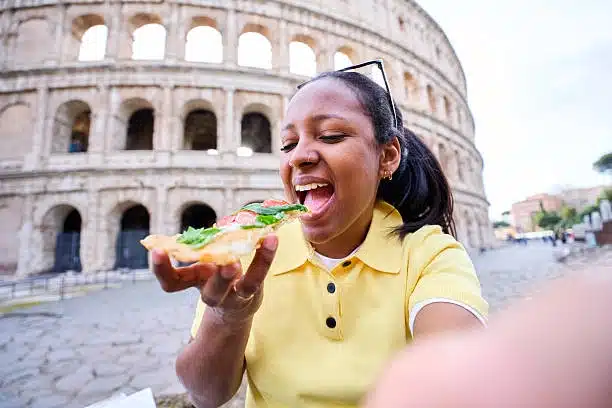
By 2026, many travelers have grown weary of over-crowded and over-photographed landmarks. Standing in a long line for a three-second photo feels increasingly hollow. Food experiences offer a sense of novelty and discovery that landmarks lack. A street food stall provides a unique “theatre” of craft and layered flavors. This satisfies the modern craving for authenticity and real-world “theatrical” moments. You cannot “filter” the taste of a fresh, locally-sourced regional specialty. The lack of predictability makes culinary adventures much more exciting and rewarding. It allows for spontaneous moments that feel earned rather than just scheduled. Food offers a “fresh” perspective on even the most visited global cities.
The Health and Wellness Shift in Modern Travel
In 2026, travel is viewed as a vital tool for physical restoration. Many travelers plan “food-first” trips to explore regional health and longevity diets. They seek out “functional” foods that offer both flavor and biological benefits. This might include visiting blue-zone regions to learn about their eating habits. Modern wellness travel has moved from the spa to the local kitchen. Learning to cook with fresh, seasonal ingredients provides lasting benefits after the trip. Travelers return home with new skills that improve their daily quality of life. This educational aspect adds significant long-term value to the entire travel experience. Nourishing the body is now seen as the ultimate form of holiday.
Conclusion: Tasing the Soul of the World
Famous landmarks will always hold a place in our global history books. However, in 2026, the real heart of travel is found on the plate. Food experiences offer a level of depth that visual sightseeing cannot provide. They engage our senses, connect us to people, and support local communities. Every bite is an opportunity to understand the world a little bit better. Your next great adventure is likely waiting at a local market or cafe. Embrace the flavors of the world to create memories that truly last. Travel is not just about where you go, but what you taste. May your 2026 journeys be as delicious as they are enlightening.
Other Articles

How Local Tour Guides Change the Way You Understand Destinations
What Makes a Destination Feel Safe Without Heavy Tourism