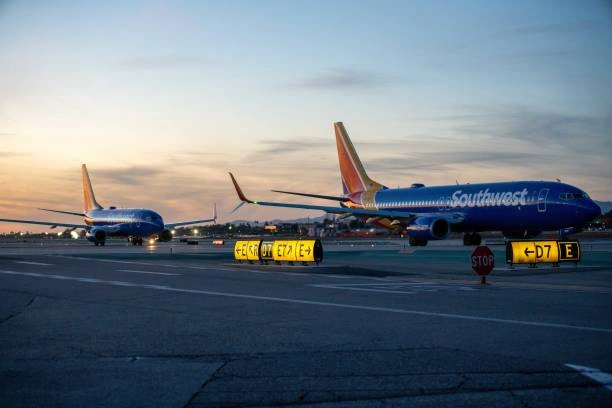
Southwest Airlines has announced a significant change to its boarding procedures, officially ending the wheelchair-first boarding policy that has been in place for many years. This change comes after repeated reports of misuse, abuse, and disruptions caused by passengers attempting to take advantage of the priority system. For many travelers who rely on wheelchair assistance, the original policy was designed to provide convenience, dignity, and smooth access to the aircraft. However, Southwest Airlines has noted that repeated misuse of the system created operational challenges and frustration, forcing the airline to reconsider how to maintain accessibility while ensuring fairness for all passengers.
Why Southwest Airlines Changed the Policy
The main reason for ending wheelchair-first boarding is the frequent abuse by passengers who did not actually require assistance but tried to board early by exploiting the priority system. Southwest Airlines encountered situations where individuals used the policy to secure better seating or bypass standard boarding procedures. Such behavior caused delays, created tension among travelers, and increased the workload for airline staff tasked with monitoring compliance. By ending the policy, Southwest Airlines aims to create a more consistent and fair boarding process. The airline emphasizes that safety and accessibility will remain top priorities, even though the early boarding option for passengers in wheelchairs is no longer available.
The Impact on Passengers Who Rely on Wheelchair Assistance
The policy change directly affects passengers who genuinely need wheelchair assistance. Southwest Airlines has stressed that, despite the end of wheelchair-first boarding, all travelers requiring mobility support will continue to receive assistance throughout the airport and boarding process. This includes help from check-in to gate areas and assistance with seating on the aircraft. Southwest Airlines is developing alternative measures to ensure that passengers with disabilities are not disadvantaged by the change. Staff will provide support in a structured and efficient way, making certain that the dignity, comfort, and safety of travelers with mobility challenges remain fully protected.
Reactions From Travelers and Advocacy Groups
The decision has prompted a variety of responses from travelers and advocacy groups. Many passengers welcomed the policy change, noting that previous abuses caused unnecessary delays, confusion, and tension during boarding. Others voiced concern that the new system might create difficulties for passengers who depend on mobility assistance. Disability advocacy organizations have emphasized the importance of monitoring the new boarding procedure to ensure it continues to meet accessibility needs. They have called for clear communication from Southwest Airlines to travelers regarding available support and reassurances that passengers requiring assistance will still receive priority care during all stages of the travel experience.
How Abuse of the System Affected Airlines
Southwest Airlines is not the only airline to face challenges related to boarding priority abuse. Across the industry, policies designed to provide early access or priority boarding have often been exploited by passengers seeking convenience. Misuse can slow operations, create safety risks, and increase stress for staff. For Southwest Airlines, repeated incidents of misuse caused operational inefficiencies, complaints from other passengers, and additional pressure on gate agents. This accumulation of issues played a key role in the airline’s decision to end the wheelchair-first boarding system. By doing so, the airline hopes to create a fairer, more efficient boarding process that still prioritizes travelers who genuinely need assistance.
Alternatives and Solutions for Accessibility
Even though wheelchair-first boarding has been discontinued, Southwest Airlines is committed to maintaining accessibility as a top priority. Airline staff are trained to provide personalized support to travelers with mobility challenges. Assistance is available at check-in, security checkpoints, gates, and during boarding and deplaning. Passengers are encouraged to notify the airline in advance of any special needs, ensuring that staff can provide timely support. Southwest Airlines is exploring additional measures, such as more structured boarding sequences, clearer identification for travelers requiring assistance, and improved coordination with airport personnel. These solutions are intended to maintain high standards of accessibility while preventing policy misuse in the future.
Lessons for the Airline Industry
Southwest Airlines’ experience provides important lessons for the airline industry as a whole. Policies designed to support passengers with disabilities are essential, but they must also anticipate potential abuse or misuse. Clear communication with passengers, proper staff training, and monitoring systems are vital to maintaining fairness and operational efficiency. Airlines must strike a careful balance between accessibility and preventing exploitation that can negatively affect other travelers. Southwest Airlines’ policy change illustrates the challenges of designing equitable boarding procedures that satisfy both operational needs and the rights of passengers requiring assistance.
Conclusion
The end of wheelchair-first boarding by Southwest Airlines highlights the difficulties airlines face in balancing accessibility, fairness, and efficiency. While repeated abuse of the policy prompted the change, the airline has reassured travelers that mobility assistance will remain fully supported. This shift underscores the importance of continuous evaluation of airline procedures to ensure that policies achieve their intended goals. Southwest Airlines’ experience serves as an example for the broader industry, showing that boarding policies must protect both passengers in need and the integrity of operations while ensuring safety, dignity, and a smooth travel experience for all.
Other Articles