
The announcement that TPS Terminated for Haiti has caused shock and fear across Haitian communities in the United States. The decision came after the administration declared that Haiti no longer meets the conditions required for Temporary Protected Status. TPS gives protection to people from countries facing severe crises. Many Haitians rely on it to live and work in the U.S. The announcement that TPS Terminated for Haiti has created uncertainty for thousands of families who built stable lives over many years. Community leaders say the decision affects workers, parents, and children who fear sudden displacement. Legal experts warn that the change will reshape immigration conversations nationwide. TPS Terminated now stands at the center of a heated debate over fairness, humanitarian responsibility, and the future of U.S. immigration policy.
Why the Administration Declared TPS Terminated
Officials argue that conditions in Haiti have improved enough to end the program. The administration says the original crisis that led to TPS no longer exists. TPS Terminated because they believe Haiti can now absorb returning citizens. Critics disagree and say the country still faces political instability, poverty, and violence. Many argue that Haiti struggles with weak institutions and does not have the resources to support large numbers of returning residents. Officials insist the decision follows legal guidelines. TPS Terminated, they say, because the program is temporary and cannot continue indefinitely. Immigration advocates argue that the country still faces extreme hardships that make returns unsafe. This disagreement fuels the growing debate around humanitarian protection and the responsibilities of the United States. TPS Terminated, according to officials, reflects their interpretation of law rather than humanitarian impact.
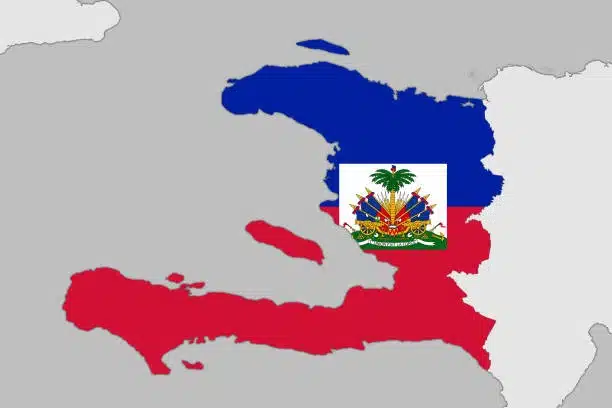
Impact on Haitian Families Living in the U.S.
Thousands of families now face a future filled with uncertainty. TPS Terminated means they must prepare for deadlines, immigration reviews, or possible return to a country many have not seen in years. Many Haitian workers hold essential jobs that support local economies. Their children attend American schools and speak English as their first language. TPS Terminated places families under emotional and financial pressure. Parents fear losing their jobs if they cannot adjust their status. Children fear being separated from their loved ones or being forced to relocate to a country they barely know. Families say the decision disrupts years of stability and hard work. Critics argue that removing such a large group from the workforce will affect communities nationwide. TPS Terminated now becomes a heavy burden on people who contributed to their neighborhoods, churches, and workplaces.
Reaction from Human Rights Groups and Activists
Human rights groups responded with strong criticism. They say TPS Terminated ignores the reality on the ground in Haiti. Many activists argue that the country faces growing instability, including violence and deep poverty. They say returning people in large numbers will worsen humanitarian conditions. TPS Terminated has sparked nationwide protests, rallies, and legal challenges. Advocacy groups demand a reversal and push for a permanent solution for long-term TPS holders. Many groups note that Haitian immigrants played a vital role in rebuilding parts of the country after disasters. Activists say that people who lived in the U.S. for years deserve a chance to remain legally. TPS Terminated also renewed calls for Congress to create lasting immigration reforms. The debate continues to grow as communities fight to protect Haitian families.
Political Response and Legal Challenges
Lawmakers are divided. Supporters of the decision say TPS must remain limited and temporary. They argue that TPS Terminated follows the law and prevents long-term extensions. Opponents strongly disagree. They say the program was created to protect people from unsafe conditions that still exist in Haiti. Many lawmakers call the move harsh and unnecessary. TPS Terminated could trigger legal battles that may stretch into future administrations. Advocacy groups are gathering evidence to challenge the ruling in court. They argue the decision ignored key humanitarian facts. Some states may join the legal fight because TPS holders work in essential industries. TPS Terminated may also influence immigration debates at the national level. Many expect more legal challenges as the deadline approaches and communities demand protection.
Economic Consequences for the U.S.
Haitian TPS holders support many industries, including healthcare, construction, hospitality, and transportation. Economists say TPS Terminated could affect stability in these sectors. Many workers have long-term employment and pay taxes that support local communities. Employers worry about losing skilled and reliable workers. TPS Terminated may create hiring gaps that companies cannot fill quickly. Experts warn that removing thousands of workers could slow economic growth in certain regions. Haitian families also contribute to housing markets, small businesses, and community development. TPS Terminated threatens these connections and creates financial risks for both families and employers. Some economists argue that the decision may cost more than it saves. The debate grows as business groups raise concerns over the long-term economic impact.
What Comes Next for Affected Individuals
Haitian TPS holders now face difficult choices. TPS Terminated means they must explore legal options, consider returning to Haiti, or hope for new legislation. Immigration lawyers advise people to stay informed and gather necessary documents. Many organizations offer free legal clinics to help families understand their rights. TPS Terminated also pushes communities to advocate for permanent solutions. Families fear deadlines but remain hopeful that Congress may intervene. Many believe new policies could protect people who lived in the U.S. for decades. Some families prepare for the worst while fighting for the best possible outcome. TPS Terminated leaves thousands waiting for the next announcement, the next law, or the next legal decision that could change everything.
Conclusion
The decision to declare TPS Terminated for Haiti marks a major turning point in U.S. immigration policy. The ruling affects thousands of individuals who built stable lives in the United States. Critics say the decision ignores ongoing crises in Haiti. Supporters say it follows the law as written. TPS Terminated now stands as a powerful example of the struggle between law, politics, and human need. Families wait anxiously for clarity as legal battles and political debates continue. The future remains uncertain, but communities continue to rally and advocate for protection. The story of TPS Terminated will shape conversations about responsibility, fairness, and the future of humanitarian programs in America.
Other Articles

How Black Travel Influencers Are Shaping Global Tourism Trends
Best Short Weekend Trips from Tampa


