The U.S. recently started revoking Nigerian visas quietly. Many travelers found their visas canceled unexpectedly without prior notice. Citizens reported being denied entry at airports suddenly and unexpectedly. Officials did not provide prior notice to affected applicants. The sudden revocation caused confusion, stress, and frustration among Nigerians. Families, students, and workers were affected by these travel restrictions. Diplomatic Offices are investigating the reasons behind these actions carefully. News reports have highlighted the growing concerns and public worries nationally. Many Nigerians rely on visas for work, study, and family travel. The situation has created tension between the countries diplomatically and socially. Travelers are now seeking clarity on rules and future visa policies. The U.S. government says security and compliance are priorities in these cases.
Background of Visa Revocations
The U.S. occasionally reviews visa applications for security and compliance reasons. Nigerian citizens are among those impacted by the latest measures. Officials claim some visas violated entry rules or had document errors. Embassies have not given prior notice about these cancellations to applicants. Visa holders are confused about what triggered sudden revocations recently. Past trends show selective revocations based on investigations or irregularities. Policy changes may be related to immigration, security, or policy updates. The revocation affects work, study, tourism, and family travel for many. Authorities emphasize the need to follow proper procedures strictly at all times. Experts warn sudden revocations can affect bilateral relations and trust badly. Travelers are left unsure about planning trips to the U.S. Officials say reviewing visas protects national security and public safety.
Impact on Nigerian Travelers
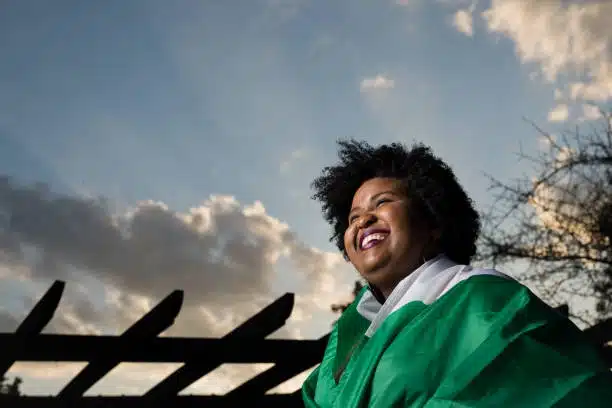
Nigerians with revoked visas face major disruptions in travel plans immediately. Students studying abroad may miss semesters or programs entirely without notice. Workers relying on U.S. jobs may lose income unexpectedly. Families visiting relatives face emotional, financial, and logistical challenges suddenly. Tourists are left stranded and uncertain about next steps. Business travelers encounter delays in meetings, contracts, and projects abroad. Flights may be canceled or rescheduled due to sudden revocations. Travel agencies report increasing complaints and requests for urgent help. Embassies advise patience while individual cases are being reviewed carefully. The situation impacts education, work, and family connections broadly across communities. Many affected travelers now fear applying for future visas to the U.S. Some students consider alternative countries for study to avoid disruptions. Families are forced to adjust travel plans on short notice.
Reasons Cited by Authorities
Officials say revocations are linked to irregularities or security concerns. Some visas may have incomplete, incorrect, or expired information. Security checks include background screening, immigration history, and travel verification. Authorities review applicants’ records before granting or revoking visas strictly. Misunderstandings may arise from changes in application rules or guidelines recently. Policy enforcement aims to prevent Misuse of U.S. entry privileges. Diplomatic sources stress that national security is a priority reason. Citizens are urged to comply with all visa and immigration regulations. Proper documentation reduces the risk of unexpected revocation or denial. Authorities examine international rules carefully when processing visas to ensure compliance. Violations may occur unintentionally but still result in revocation. Some applicants may face delays even if documentation seems complete.

Diplomatic Reactions and Tensions
Nigeria’s government has raised urgent concerns with U.S. officials quickly. Discussions include protecting citizens and clarifying procedures for visa revocations. Embassies communicate updates to travelers but delays remain frequent. Bilateral relations may face strain due to sudden policy enforcement. Political leaders demand transparency and prior notice for visa changes. Media coverage highlights economic, educational, and social consequences. Diplomats emphasize the need for fair, clear, and consistent rules. Citizens are advised to seek guidance directly from consulates or embassies. Both countries aim to maintain cooperation despite diplomatic tensions. Diplomatic talks continue to resolve misunderstandings and prevent escalation effectively. Governments stress communication is key to prevent confusion and panic. Travel advisories may be updated as the situation evolves daily.
Advice for Affected Citizens
Travelers are advised to check visa status online frequently. Contacting the U.S. embassy helps clarify reasons for visa revocation. Keep copies of documents, applications, and correspondence for reference. Seek legal advice if visas are revoked without explanation or notice. Avoid booking flights or making payments until visas are confirmed. Students and workers should notify schools and employers about travel issues. Staying informed helps reduce unexpected disruptions and financial losses. Patience and careful documentation are critical for all applicants facing revocation. Citizens should follow instructions from embassy or consulate staff carefully. Acting proactively can prevent further complications or long-term travel issues. Legal recourse may be available if revocations appear unfair. Keeping calm helps navigate bureaucratic delays more effectively.
Potential Long-Term Effects
Frequent visa revocations may affect Nigeria-U.S. travel and bilateral relations. Students may seek alternative countries for study, work, or internships abroad. Business, trade, and professional interactions may slow due to travel uncertainty. Diplomatic relations may require stronger communication and clarity on visa policies. Citizens may grow cautious when applying for U.S. visas in future. Immigration and travel advisors expect stricter rules and Verification Processes. Policies could influence global perception of U.S. fairness and openness. Educational and professional exchanges may decrease temporarily due to mistrust. Clear rules and proactive communication are needed to restore confidence. Monitoring visa policy changes will remain critical for Nigerian travelers abroad. The economic impact may extend to families and businesses in Nigeria. Citizens may adjust travel plans to avoid sudden disruptions again.
Conclusion
The U.S. quietly revoking Nigerian visas caused widespread concern and panic. Citizens faced travel, education, work, and family disruptions suddenly. Authorities cited security and document concerns as reasons for revocation. Nigeria raised diplomatic issues to clarify procedures and rules quickly. Frequent revocations may impact bilateral relations, trust, and future travel. Legal advice and proper documentation help affected citizens respond appropriately. The situation highlights the importance of transparency in visa policies. Nigerians continue to watch developments closely for updates and guidance. Vigilance and patience are critical for planning future travel safely. The U.S. government may issue more clarifications in coming weeks.
Other Articles

Iceland’s Budget Airline PLAY Collapses and Grounds Fleet
Black-Owned Restaurants and Cafes to Try While Traveling