
Colombia has been on my travel bucket list for years, and I finally decided to embark on a solo adventure through Cartagena and Medellín. As a Black woman traveler, I wanted to explore the country’s deep African roots, vibrant culture, and breathtaking scenery—while also indulging in some of the best food and experiences these cities have to offer. If you’re thinking about visiting, here’s a breakdown of my trip, packed with history, recommendations, and tips for Black travelers.
Cartagena: The Heart of Afro-Colombian Culture
Where I Stayed: Hilton Cartagena
Hilton Cartagena offers stunning ocean views, easy beach access, and top-notch amenities. Located on the peninsula, it’s a great escape from the hustle and bustle of the historic center, but still close enough to explore.

Things to Do in Cartagena
Explore Getsemaní: Cartagena’s First Black Neighborhood
Once a dangerous area, Getsemaní has transformed into an artistic and cultural hub filled with murals, music, and history. It was originally home to freed and enslaved Black people, and today, its colorful streets tell stories of resilience and liberation.
- Historic Facts:
- Slaves were housed in small, tightly packed homes.
- After the Battle of Cartagena in 1741, Black Colombians gained more rights.
- Following the Jenka War, racial mixing increased.
Palenque & Afro-Colombian Tour with Beyond the Wall
I booked the Palenque & Afro-Colombian Tour to visit San Basilio de Palenque, the first free Black town in the Americas and a UNESCO heritage site.

- Why visit?
- Palenque was founded by escaped African slaves.
- It’s home to Palenquero, the only Spanish-based Creole language in Latin America.
- Traditional Malabá dance represents freedom and resistance.
- Palenque’s unique music style blends non-digital instruments with rap.
History Lesson: The Fight for Freedom
- José Padilla, a Black Colombian, fought alongside Simón Bolívar for independence.
- Bolívar freed several countries, but later betrayed Padilla and had him executed, fearing Black power in politics.
- Cartagena officially gained independence in 1821, after Spanish forces were defeated.
Where to Eat in Cartagena
- Restaurante Cancha – Perfect for fresh seafood and traditional Colombian flavors.
- La Santa Guadalupe – If you love Mexican food, this spot serves up some of the best tacos and margaritas in town.
Medellín: From Infamous to Inspirational
Where I Stayed: Fairfield by Marriott Medellín
I stayed at the Fairfield by Marriott, which offered modern accommodations in a convenient location. Medellín is well-connected, and getting around via Metro or cable cars is easy.

Things to Do in Medellín
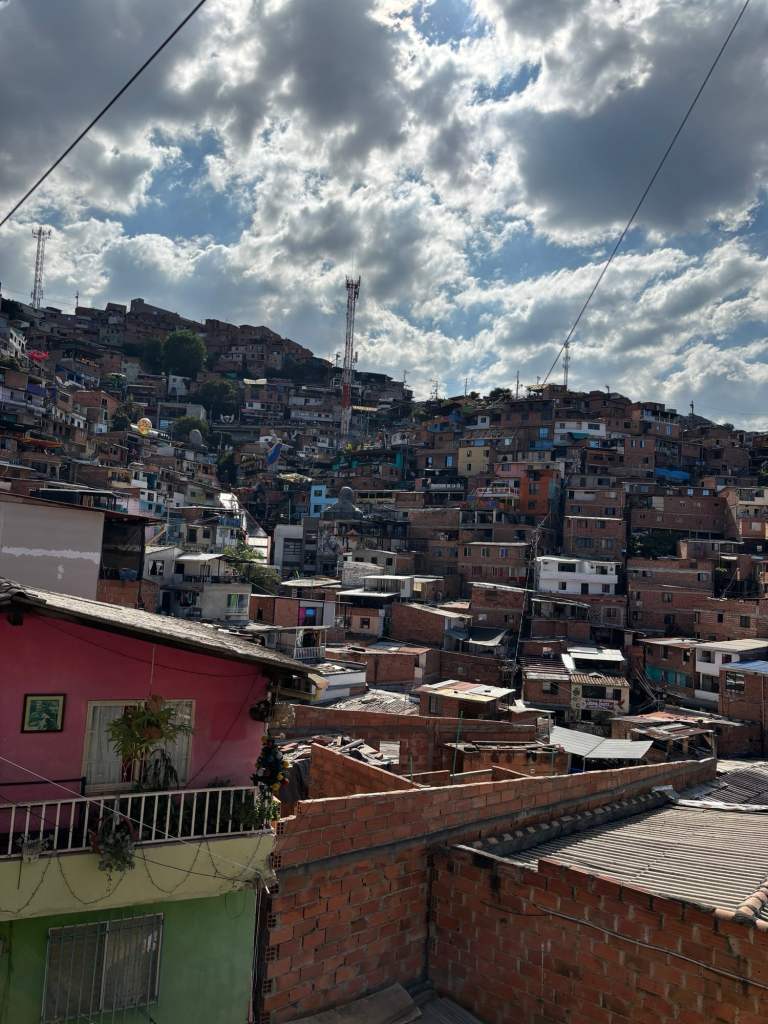
Comuna 13: From Violence to Vibrance
Comuna 13 is now one of the most visited places in Colombia, but it was once the most dangerous neighborhood in Latin America.
- History Highlights:
- In the early 2000s, Comuna 13 was a war zone due to drug trafficking.
- The neighborhood’s strategic location made it a hub for smuggling.
- After Pablo Escobar’s death in 1993, various groups fought for control.
- Operation Orion (2002): A military intervention led to mass disappearances and increased conflict.
- Peace Agreements (2005 & 2016): Former guerrilla groups transitioned into civilian life, reducing crime.
- Why Visit?
- It’s now Colombia’s second-largest open-air gallery, filled with street art and music.
- The escalators provide an easy way to explore the hills.
- The Afro-Colombian community thrives in Independencia, with businesses and nightlife celebrating Black culture.
Ride the Medellín Metrocable
The Metrocable system, introduced in 2018, connects underprivileged neighborhoods to the city center, improving accessibility and opportunities for locals. It also offers breathtaking views of the city.
Where to Eat in Medellín
- Mamasita Medallo – A must-visit for authentic Colombian dishes.
- Mezcla Restaurante & Bar – Great for fusion cuisine and cocktails.
- Andaluz Cultura y Gastronomía – A high-end experience with a mix of Colombian and international flavors.

Final Thoughts: Is Colombia Safe for Black Women Solo Travelers?
Absolutely! While both Cartagena and Medellín have complex histories, they have become safe, welcoming destinationsfor solo travelers. Here are some travel tips:
✔️ Stay in tourist-friendly areas (Bocagrande in Cartagena, Poblado in Medellín).
✔️ Take guided tours to understand the local history and avoid unsafe areas.
✔️ Be cautious at night—some neighborhoods enforce curfews for tourists.
✔️ Engage with the Afro-Colombian community to support Black-owned businesses.
✔️ Embrace the culture—dance, eat, and connect with locals who are eager to share their heritage.
Colombia is a rich and layered country with a deep-rooted African influence, making it a must-visit destination for Black travelers. Whether you’re exploring Cartagena’s historic streets or Medellín’s transformed neighborhoods, you’ll walk away with a newfound appreciation for resilience, culture, and community.

Have you been to Colombia? Share your experiences in the comments!
Get our full 6 night itinerary to Cartagena & Medellin, Colombia with direct links!
Other Articles

How to Curate the Perfect Travel Playlist for Black Travelers
Why luxury outlets are opening cafes and restaurants


