
Iraq recently passed a highly controversial law lowering the legal marriage age for girls from 18 to just 9. The news has shocked communities across the country. Families, educators, and health experts have expressed deep concern about the law’s potential consequences. Human rights groups immediately warned that it endangers children’s physical and emotional wellbeing. International organizations have also condemned the legislation, citing it as a major setback for child protection. The law has sparked widespread public debate, heated media discussions, and online protests. Human Rights Alarmed is now the central phrase in coverage of this issue, reflecting global outrage. Supporters of the law claim it respects cultural and religious traditions that have existed for generations. Critics argue that it violates the most basic human rights and risks harming thousands of girls. As the controversy grows, Iraq faces intense scrutiny from both domestic and international communities.
A Sharp Turn in Legal Policy
The change in Iraq’s marriage laws represents a sudden and unprecedented shift. Previously, girls were legally allowed to marry only after reaching 18 years of age. Now, the law permits girls as young as 9 to marry if a judge approves the arrangement. Human rights organizations have responded with alarm. Many fear that the legislation will pave the way for abuse, coercion, and exploitation of minors. Social services warn that children under 18 are not physically, emotionally, or mentally ready for marriage. Human Rights Alarmed has become a recurring theme in media coverage.
Critics highlight that judicial oversight is not enough to prevent forced marriages. Children married at such a young age often experience extreme hardship and lifelong consequences. Experts argue that the law undermines decades of progress in protecting girls from child marriage and early pregnancy. The shift raises serious questions about Iraq’s commitment to international treaties on child protection.

Health and Education Risks for Young Girls
Lowering the legal marriage age creates significant risks for girls’ health and education. Early pregnancy is linked to life-threatening complications, including maternal mortality and chronic illnesses. Girls married at a young age often drop out of school and lose access to education. Emotional and psychological trauma can also be severe, affecting their social development and self-esteem. Human Rights Alarmed groups emphasize that children under 18 cannot provide informed consent. Legal approval cannot replace the natural maturity needed for life-changing decisions. Early marriage also traps girls in cycles of poverty. Families may prioritize economic or social gains over the child’s wellbeing. Health experts warn that these girls face higher risks of domestic violence and social isolation. Human Rights Alarmed campaigns stress that protecting children is essential for the country’s future.
Religious and Cultural Arguments Fuel Debate
Supporters of the law point to religious and cultural traditions as justification. Some families argue that early marriage reflects long-standing norms in certain regions. They claim it ensures social stability and preserves family honor. Critics, however, argue that international human rights standards should take precedence over cultural practice. Human Rights Alarmed statements underline that no tradition should justify harm to children. The debate exposes a clash between modern legal frameworks and longstanding social customs. Many parents feel conflicted, torn between respecting traditions and following the law. Religious leaders are divided, with some supporting the law and others opposing it. The controversy highlights how deeply cultural values influence public opinion. Human Rights Alarmed organizations continue to push for solutions that protect children while acknowledging cultural sensitivities.
International Condemnation Grows
The international response has been swift and strong. United Nations agencies, foreign governments, and global NGOs condemned the law. Human Rights Alarmed messages appeared in newspapers, social media, and official reports worldwide. Experts warn that Iraq may face international pressure if the law leads to abuse or exploitation. Global campaigns emphasize the importance of safeguarding children’s education, health, and rights. Advocates stress that early marriage perpetuates gender inequality and limits opportunities for girls. Human Rights Alarmed organizations use every available platform to amplify their warnings. International scrutiny may affect Iraq’s diplomatic relationships and access to foreign aid. The global reaction highlights the law’s far-reaching consequences beyond Iraq’s borders.
Domestic Opposition and Public Outcry
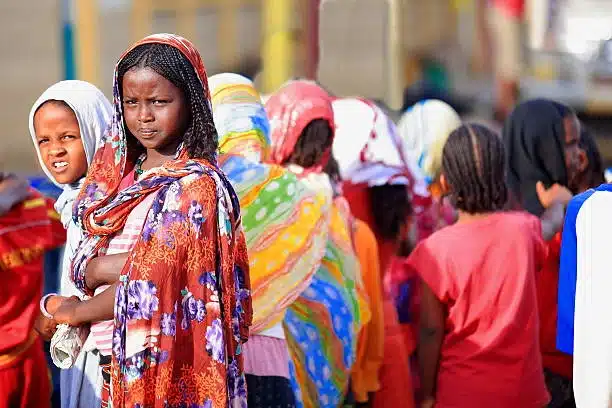
Iraqis themselves have voiced widespread opposition to the law. Protests erupted in multiple cities, with parents, teachers, and students demanding change. Human Rights Alarmed movements organized rallies, awareness campaigns, and online advocacy to mobilize citizens. Critics argue that judicial approval is insufficient to protect children from coercion. Many fear that families could exploit the law to force early marriages for economic or social reasons. Public pressure continues to grow as more people speak out. Local media have highlighted stories of young girls at risk, amplifying the Public Outcry. The government now faces intense scrutiny and must navigate a difficult balance between tradition, law, and human rights. Human Rights Alarmed groups are urging authorities to repeal or revise the legislation.
Potential Long-Term Impacts
Experts warn that the law could have lasting consequences for Iraqi society. Girls married at a young age are less likely to complete schooling, limiting future career opportunities. Early marriage increases health risks and contributes to higher child and maternal mortality rates. Human Rights Alarmed organizations stress that this law perpetuates gender inequality. Poverty and social marginalization often follow children forced into marriage. Families, communities, and the state bear the social costs. Advocacy groups hope that public awareness will lead to policy reversal. The debate underscores the critical importance of protecting children in national lawmaking. Failing to act now could have generational consequences. Human Rights Alarmed campaigns continue to push for legislation that upholds the rights and safety of all children.
Conclusion
Iraq’s decision to reduce the legal marriage age for girls to 9 has triggered outrage at both national and international levels. Human Rights Alarmed is now the defining phrase in discussions among activists, policymakers, and the public. The law raises serious questions about the protection of children’s health, education, and safety. It highlights the tension between cultural traditions and modern legal standards. Supporters cite religion and culture, while critics warn of devastating consequences. The outcry shows that societies are unwilling to compromise on basic human rights. Iraq now faces pressure to reconsider the law to protect its most vulnerable citizens. The hope is that public awareness, international advocacy, and local action will prevent harm to children. Human Rights Alarmed organizations remain vigilant and committed to ensuring that every girl in Iraq has the right to a safe and healthy childhood.
Other Articles

Maldives Travel Advisory Updated by U.S. Amid Terror Threat Concerns
SAKE A GOGO: Louisville’s Fresh Take on Japanese Dining


