
The African diaspora is people all over the world whose origins are traced to the historic African migration, which, except for a few instances, was the consequence of the transatlantic slave trade, colonialism, and economic emigration. Despite having undergone discomfort and dislocation earlier, the diaspora has developed flourishing, living cultures that blend indigenous and African heritage. The last decade saw a surge in ancestry travel tracing African heritage. Heritage travel allows African citizens and other serious travelers to trace the African lines of heritage across continents. This article looks for the best destinations where the African diaspora left a lasting cultural imprint and where travelers can experience this legacy.
1. Ghana: Gateway to Africa
Accra and Kumasi combine a mix of town life and traditional life with markets, museums, and traditional food, exposing more of Ghanaian life. Ghana embodies spiritual and cultural awareness as a first vacation choice.
2. Brazil: Afro-Brazilian Culture in Salvador
Brazil encompasses the diaspora individuals of Africa elsewhere than in Africa, and the entire heritage is concentrated within the northeast Bahia state. Bahia has its capital in Salvador, and it’s a hub for Afro-Brazilian culture. Salvador colonial homes, cobblestone streets, and color zest the picture with Afro-Brazilian religion, music, and dance.
- Martial dance/afro-martial art, capoeira, and Afro-Brazilian cult, Candomblé, are just two of Salvador’s cultural determinants. It also honors its African heritage through Carnival and Festa de Iemanjá celebrations. Two of cuisine and museums, the Afro-Brazilian Museum and African-origin traditions and cuisine for cuisine, are two of the museums and cuisines that also represent the humongous cultural connections.
3. United States: African-American Legacy Sites
America occupies a central place in the African diasporic past due to its slavery, civil rights struggle, and Black achievement in culture. New Orleans, Atlanta, and Washington, D.C. are just a few cities where African-American heritage tourists have seen sights without number.
- Atlanta, Georgia. The King Center is only one appropriate civil rights attraction in the birthplace of Dr. Martin Luther King Jr. New Orleans, Africa-, France-, Spain-influenced, is home to quirky music (jazz), offbeat cuisine (Creole, soul food), and rowdy parties such as Mardi Gras.
- Harlem, New York, where the Harlem Renaissance was created, is today a booming cultural center. Its institutions, such as the Schomburg Center for Research in Black Culture, confront the viewer as a tableau of African-American creativity and ingenuity.
4. Cuba: African Roots in the Caribbean
African influence flows through Cuban religion, culture, and music. Cubans are predominantly African-based, dating back to the slave trade days. They live and are heard in various items, from rumba and son music to Santería, a syncretist faith imported from Yoruba and cross-bred with Catholicism.
- In Havana, Afro-Cuban Callejon de Hamel is a lively alley filled with Afro-Cuban theme murals, drumming, and live performance. The Museum of the Orishas gives information about Santería gods and rituals. Santiago de Cuba, situated at the easternmost point on the island, boasts a higher percent of Afro-Cuban culture and big festivals and musical heritage.
- Cuba combines African, Caribbean, and European traditions to form a new but settled tradition based on African traditions.
5. Jamaica: Reggae, Rastafari, and Resistance
Little Jamaica has significantly contributed to world culture, including reggae music and Rastafari religion. Jamaican culture preserves the African heritage of resistance, spirituality, and self-definition.
- The Bob Marley Museum, located in Kingston, Bob Marley’s former residence, draws thousands of visitors annually. Rastafari culture, which is biblically inspired imagery rooted in African heritage, focuses on repatriation and African knowledge. Maroons, descendants of Africans who resisted slavery and established free communities, coexist with unusual traditions like those in Accompong.
- With its rainbow culture (Patois), cuisine (jerk, ackee, saltfish), and dancehall image, Jamaica offers tourists a rich experience and presents the world with an African diasporic carnival of pride and survival.
6. Senegal: The Island of Gorée and Beyond
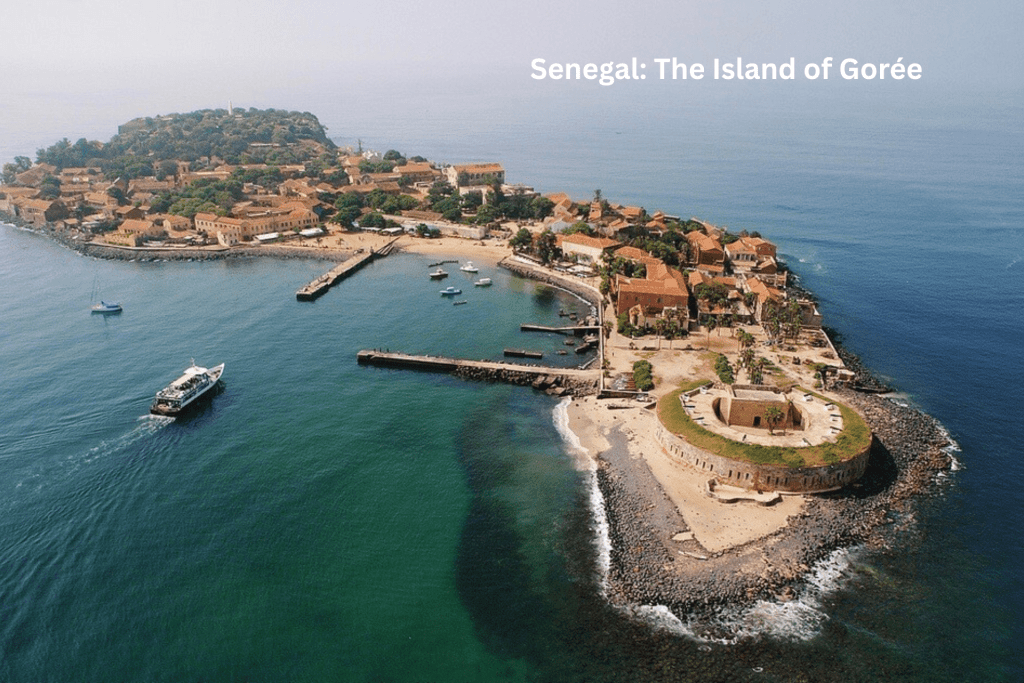
Senegal is also culturally vibrant in the modern sense, from mbalax beat music to fashion in Dakar. Living art, oral culture (griot culture), and social culture create the visitor experience a living, breathing feeling of one’s place in Africa’s past and future.
7. Haiti: Revolution and Resilience
Haiti is a special place within the African diaspora as the home of the sole slave uprising to establish an independent Black nation in 1804. Haitian society is a sophisticated mixture of African, French, and indigenous elements. Disrespected in much written about Haiti, Vodou is an emergent Afro-diasporic faith that pervades Haitian life.
- Jacmel and Port-au-Prince share music, dance, and arts of traditionally African origin. Vibrant Rara and Carnival annual celebrations are grand exhibitions of heritage and culture. Embattled Haiti is a long-term source of Black resilience, revolution, and the richness of culture.
8. Nigeria: Cultural Reconnection at the Source
Nigeria, the largest African country, is home to some of the most successful diaspora communities of many of the world’s most successful cultures, traditions, and languages. Lagos and Benin City glimpse the ancient kingdoms and the hectic modern West African lifestyle. Nigeria hosts FESTAC (Festival of Arts and Culture) and the Osun-Osogbo Festival every other year as proof of its dedication to preserving and guarding its culture. The legacy, bronze art, and architecture of the Benin Kingdom prove pre-colonial African refinement.
- Most African Americans undergo DNA tests to ensure they have Nigerian heritage, Yoruba, and Igbo descent. Visits to Nigeria are a circle-of-life experience that has come and gone.
9. Trinidad and Tobago: Cultural Synthesis and Carnival
Trinidad and Tobago culture is a broad synthesis of Indigenous, Indian, African, and European cultures, all of which exist in its famed Carnival. The religious practices of Orisha and Spiritual Baptists, religion, music (socia, calypso), and dance all contain the largest proportion of African influences.
- Trinidad’s Emancipation Day celebrations are the largest on the African continent, including parades, lectures, and cultural events. Steelpan music, played by the offspring of the enslaved Africans, is Trinidad and Tobago’s music and an exercise of creativity under adversity.
10. United Kingdom: African and Caribbean Heritage
The Caribbeans and Africans have migrated to London, Liverpool, and the UK for decades. The largest street carnival in Europe, the Notting Hill Carnival, commemorates African and Caribbean diasporic culture in music, dance, and cuisine.
- Black Cultural Archives in London records the African and Caribbean history and accomplishments of the British. Guided tours, museums, and cultural centers offer tourists much exposure when encountering the European diaspora side face-to-face.
Conclusion: A Global Tapestry of Connection
The African diaspora constructed society, history, and cultures worldwide. A visit there makes one see for oneself how African cultures have survived, thrived, and flourished. From the Americas to Europe, Africa’s soul lives on in the religion, music, food, and fate of her children. These journeys are not merely a way of learning history but also a way of emotionally and spiritually relating, and therefore, cultural tourism is an excellent way of remembering and sharing African heritage. Because more and more people want to learn about their history and make something come to terms with history, these sites must be capable of working as interfaces between heritage and identity and past and present.


