
Part of the ongoing process of reconnecting, healing, and reclaiming culture, Black Heritage Tours is a living archive for individuals of African descent—and those interested in African diaspora history—investigating their origins, traversing ancestral paths, and experiencing the living heritage of Black resiliency and cultural accomplishment. From Ghana’s Gold Coast forts to the Carolinas’ rice paddies, these tours are tourism upon tourism; they are pilgrimages personal through time and space.
- It traces the trajectory of Black Heritage Tours from North and South Carolina in America to Ghana in West Africa. It explores history, cultural significance, the tour’s experience, and how the latter create avenues through which travel serves as a cause of identity transformation, learning, and collective memory.
1. Ghana: The Fatherland of One’s Heritage and the “Door of Return”
Ghana would normally be the point of departure for Black Heritage Tours, as Ghana is the geographic center of the transatlantic slave trade and its front door to diasporan tourists. Ghana’s 2019 “Year of Return” inspired global interest in heritage tourism and helped to bring more than one million tourists to Ghana, a spirit homeland to individuals of enslaved heritage.
- Two of the most visited sites are Elmina Castle and Cape Coast Castle, narrating dismal tales of the dark past of the slave trade. The castles’ dungeons were where the enslaved people were jailed before crossing through the “Door of No Return” into the terrors of the Middle Passage transatlantic slave trade. On heritage tours, the mythic door becomes the “Door of Return,” now marking a return in spirit for descendants of the diaspora population.
- Ghanaian culture is also included, and guests engage in naming ceremonies, drum and dance classes, and Accra and Kumasi market tours. Royal tradition, the Ashanti Kingdom, and triumphing history provide the context for learning about African pre-colonial social systems.
2. Senegal: Gorée Island and the Edge of the Atlantic
Modern-day visitors ride a ferry from Dakar in silence, stirred by the holy history of the location. Personal narratives, indigenous art, and contemplation of the Middle Passage are components of guided tours. Dakar’s dynamic arts and culture—fashion and music—are also seen in modern African influence linked to ancient origins.
3. The Gullah Geechee Corridor: Carolina’s Living Legacy
On the other side of the Atlantic Ocean, parallel to the sea, the Gullah Geechee Cultural Heritage Corridor along the southeastern United States is an excellent part of Black Heritage Tours. Stretching from Jacksonville in North Carolina to Jacksonville in Florida, the corridor includes coastal communities with preserved African food, language, and cultural heritage.
- South Carolina, and specifically, is in the sights. Charleston, a former premier slave port, has heritage tours on plantations, African American museums, and the Old Slave Mart Museum. Interpreters at Boone Hall Plantation and McLeod Plantation, among many others, place the histories of the enslaved first and gaze out at the landscape with their own eyes instead of through plantation nostalgia.
- The Gullah people, the original ancestors of enslaved Africans, could sustain a great portion of their highly ancient traditions since they were isolated geographically along the Sea Islands. Field visits at St. Helena Island cover storytelling, a demonstration of basket-making, and traditional native foods presented in the form of meals made up of okra soup, rice, and gumbo, a West African tradition.
4. North Carolina: From Resistance to Renaissance
North Carolina is similarly the epicenter of Black heritage travel, with historic cities, freedom trails, and cultural centers centered on the African American survival narrative. Durham, the “Black Wall Street” of the early 20th century, is one to remember. It was a city in which a robust Black institutional community and businesses existed during Jim Crow.
5. The Role of Spiritual Reconnection and Identity Formation
To most participants, Black Heritage Tours are as much as they are an issue of history. Libation ceremonies, name ceremonies, and traveling to visit their ancestors’ graves are healing and contemplation exercises. To most who visit Ghana and the Carolinas, the best is usually a powerful emotional reawakening, a gut feel about knowing the past that reformulates the present self.
- Such journeys also create a community among travelers. With shared meals, emotional talk, or collective reflection exercises, the shared heritage experience of tourism creates solidarity and healing across generations.
6. Educational Dimensions: Decolonizing History
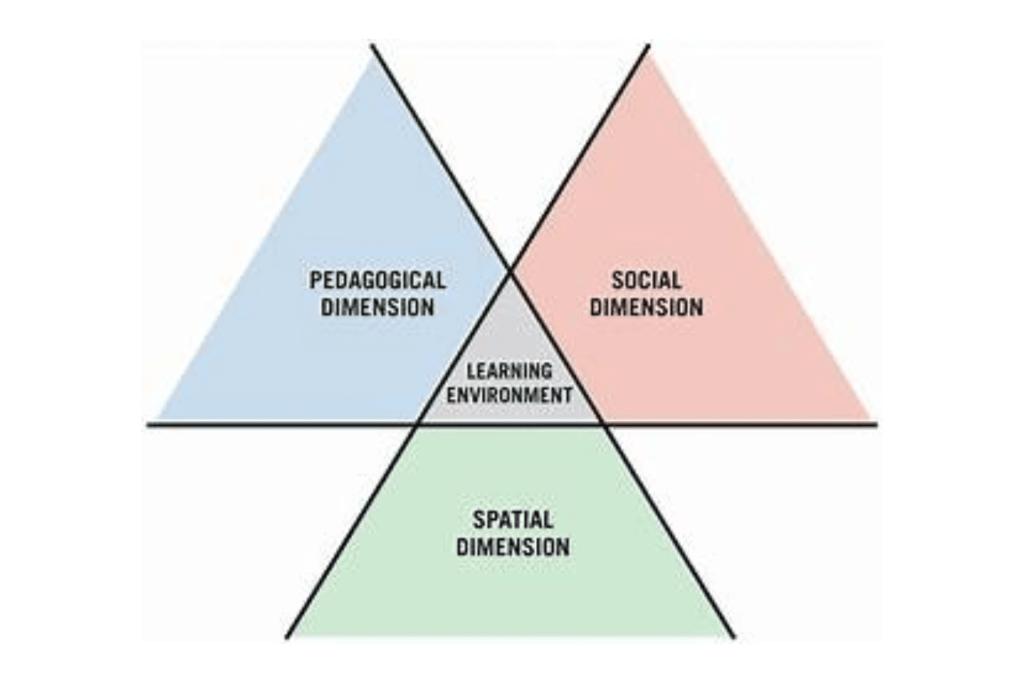
Black Heritage Tours are also pedagogical acts of reversing erasures and fictions regarding history. Participants have the opportunity to see for themselves African civilizations, the harsh realities of the slave regime, movements of resistance, and continuing contributions of African-descended people to world culture.
- Schools even incorporate such tours into their curriculum. Colleges provide study-abroad programs in Ghana or the Carolinas, and high schools and family reunions incorporate heritage tours into learning packages. Tour guides, usually local historians, griots, or members of the families whose histories they are relating, enrich the history and make it more detailed.
7. Economic and Cultural Revitalization
Heritage tourism also stimulates the local economy. Diaspora engagement has created new prospects for Ghanaian artists, musicians, and cultural groups. Connected tourism activity induces Charleston and Durham Black businesses, and museums and cultural centers add programming.
- Tours also revive and renew cultural heritage. For example, growing interest has been in preserving endangered languages and land rights due to the Gullah Geechee culture. Diaspora activism for festivals, cultural heritage preservation, and community building is sustained in West Africa.
8. Challenges and Critiques
Though deserving of respect, Black Heritage Tours have not been immune to criticism. They have been criticized for commercializing, in a literal sense, deep historical trauma. Others have argued that not all sites tell the full story, with a tendency towards whitewashing painful African involvement in the slave trade or hiding modern racial atrocities. And then accessibility. Tours are normally expensive, so they’re accessible to people of means. Initiatives to subsidize the travels of students, teachers, or civic organizations are on but still lacking.
- In addition, respect and authentic narratives require competent interpreters who understand how to walk the thin line between reverence and critical reality. The success or failure of a heritage tour depends less on its timing and more on the authenticity of its narrative.
9. Black Heritage Tourism’s Future
In the years ahead, expansion in Black Heritage Tours is an extension of a broader cultural hunger for identity validation, historical accountability, and reparations. Technology is its ally, with virtual tours and genetic heritage travel made possible by virtual tours and genetic ancestry tests such as African Ancestry and me.
- Ghana and Nigeria are also developing infrastructure and outreach to host diaspora tourists. U.S. states along the Gullah Geechee Corridor are also further developing heritage tourism activities in new museums, interpretive trails, and oral history programs.

