
Black history maintains its most important sites in both cultural spaces and the rooms of prominent hotels throughout the United States. Ancient havens across America contain the essence of Black cultural heritage and revolutionary achievements and creative movements. Harlem, along with the streets of New Orleans along other locations, have specific hotels which functioned as communal spaces for artists and politicians together with activists and community members. This examination examines how historic hotels evolved from accommodation facilities into enduring tributes to Black community progress alongside cultural achievements along with experiences of resilience.
Harlem: A Cultural Mecca for Black America
The New York City neighbourhood of Harlem permanently serves as a nexus for Black cultural, artistic and political activities. Historical hotels in the neighbourhood bring to life the long-standing history through their record of hosting numerous luminous figures. The Hotel Theresa maintained its status as an important gathering spot for Malcolm X and two other notable figures, Fidel Castro and Nat King Cole. People recognized the Hotel for its luxurious facilities alongside its important roles during the Civil Rights movement. The Hotel Theresa emerged as a leading symbol in the mid-20th century when Harlem served as the central ground for African Americans fighting for equality.
The Renaissance Hotel in Harlem: A Tribute to Black Excellence
The Renaissance Hotel in Harlem, originally a key meeting place for the influential figures of the Harlem Renaissance, stands today as a tribute to Black excellence. Black writers, musicians, and artistic creators defined the important cultural period of the Harlem Renaissance. The elegant architectural highlights and historic background of The Renaissance Hotel created this significant social venue for people during the transformative period of the era. Through its maintenance of historical Renaissance records, the building exists as a Harlem cultural monument, which shows dedication to Black arts from both past and present times.
The Cotton Club preserved its history through its enduring performances of jazz music
Harlem boasts the famous Cotton Club as its most renowned nightclub, which used to host legendary jazz performers from the era. The Cotton Club functioned as a crucial location in which the Black community developed their experience of Harlem during the early twentieth century even though the establishment was neither a hotel. The Cotton Club joined surrounding hotels as a safe space to serve Black artists and activists who visited the venue. Hotels now preserve the Cotton Club’s historic heritage by celebrating both musical and cultural development within Harlem.
The Meeting of Jazz and Civil Rights Elements Unfolds in New Orleans
New Orleans in Louisiana has proven essential for developing both cultural and historical perspectives of Black America. The place stands as one of the major locations that produced historical moments in Black cultural heritage predominantly through musical events. Through their facilities the Hotel Monteleone and the Royal Sonesta serve luxurious accommodations to visitors while recognizing the significant jazz and civil rights connections of the city. The facilities present Black artists and musicians at their venues while upholding an essential position in sustaining the current celebration of African American cultural heritage.
The Hotel Monteleone: A Legacy of Southern Hospitality and Black History
For many years, the Hotel Monteleone has served as a symbol of New Orleans cultural life, represented by its city’s ever-beating heart as one of New Orleans’ well-known establishments, the Hotel Monteleone stands at the forefront of maintaining local African American historical records for the city. Years have brought numerous influential African American artists and writers to stay at this important cultural establishment in the city structure. Beyond hosting famous individuals, the Hotel preserves the historical stories of triumph and endurance which develop inside its buildings, along with celebrating Black heritage.
The Royal Sonesta Hotel combines factors of jazz music and elegant design with its strong affiliation to Black heritage.
At its position in the French Quarter, the Royal Sonesta Hotel joins New Orleans’ musical heritage to present both classical elegance and current amenities. Since its inception, the Hotel has established a significant role as a jazz music venue by presenting musicians who developed the current jazz style. The Royal Sonesta demonstrates its dedication to Black culture by supporting active jazz events throughout the city. A visit to this location enables people to discover the complete cultural richness of New Orleans through its Black musical heritage preservation.
The Treme: New Orleans’ Historic Black Neighborhood and Its Hotels
The Treme neighbourhood of New Orleans carries essential historical meaning to African American cultural life throughout the city. New Orleans maintains the Treme as its oldest African American residential area where numerous Black musicians alongside iconic cultural figures emerged. Over time, the community has transformed, but the Black community continues to hold this place with great pride. The Treme Hotel district commemorates the neighbourhood’s historical dedication to fighting for African American history along with civil rights struggles and Black cultural preservation.
Beyond Harlem and New Orleans: Hotels Across the Nation
Black history features prominently in cities beyond Harlem and New Orleans since various U.S. towns maintain essential historic hotels that serve to sustain African American cultural heritage. The Willard Hotel in Washington D.C. establishes its historical significance through serving as a premier meeting point for political activists along with Black leaders for many years. The South Side hotel establishments of Chicago maintain their tradition of welcoming Black artists and intellectuals. Hotels across the nation function as essential historical components for studying the complicated developments of African American society.
The Willard Hotel: A Center of Political Change
Among all American hotels, the Willard Hotel in Washington D.C. stands as an important landmark in United States history because of its role in African American political movement history. The Willard Hotel served as an important strategic setting where multiple Black leaders, including Martin Luther King Jr., gathered for their meetings and conferences while making their political visits to the city. The Hotel keeps its historical value through both its upscale amenities and its activations of political activities that steered Black Americans’ struggle for equality.
Chicago’s South Side Hotels: A Legacy of Black Activism
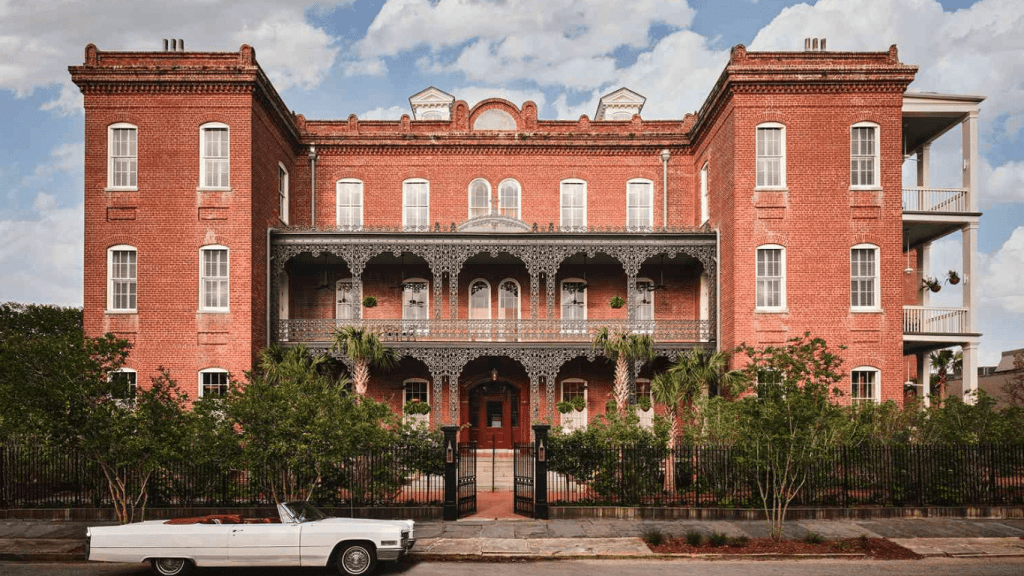
Throughout history the South Side of Chicago has maintained its status as the core Black cultural and political heartland. The South Shore Hotel along with other hotels located in this area have been vital components of the African American community in Chicago. The hotels across the United States provided detailed support to important artists and civil rights activists serving as places for intellectual dialogue and artistic team-ups. The historic hotels maintain their support for Black activism as they display the rich cultural heritage of the South Side to present-day visitors.
The Role of Hotels in Preserving African American Art and Culture
Hotels that engage in Black history conservation do such work through their hosting of art displays as well as musical performances alongside other cultural events focused on African American achievements. The cultural heritage sector consists of hotels that function beyond accommodation spaces as they nurture artistic creativity while enabling cultural conservation. These cultural venues create spaces that allow Black artists to reveal their work, thus establishing a thriving space for Black cultural celebrations. Through artistic endeavours, African Americans preserve their heritage, which will support future generations in understanding their history.
Challenges Faced by Historic Hotels in Preserving Black History
Several hotels function as historical tributes to Black history yet struggle to maintain their heritage status. Pursuits of gentrification as well as financial problems and alterations in cultural priorities create dangers for the continued existence of these historical locations. The historic centers of Black culture risk disappearing because upcoming developments are pushing them into obscurity. These important historic hotels endure due to grassroots preservation initiatives and local communal backing for Black heritage purposes.
Conclusion
Hotels that maintain and share Black historical sites become essential for unlocking the full understanding of African American life and culture throughout the United States. Historic destination hotels within Harlem and New Orleans stand as vital examples of Black community resilience together with artistic and activist history that remain active living memorials. Through their existence these buildings retain historical memory in order to provide opportunities for future generations to experience their cultural roots. We will maintain the preservation of these hotels to guarantee the ongoing inspiration and memory of Black historical narratives for generations to come.
FAQs
1. Hotels serve an essential function in maintaining the memories of Black historical events.
The hotels serving as hosts to major figures and events from the Black community perform an essential function in maintaining African American cultural history and socio-political activism. These hotels generate physical ties to previous eras that enable future members of society to experience the historic significance of Black cultural heritage.
2. Historic hotels serve what role in supporting their community?
Historic hotels preserve local communities through employment generation and they promote business opportunities for neighborhood-based companies while functioning as cultural focal points within the region. These hotels organize cultural initiatives like art shows along with live events that showcase Black heritage which turns them into vital community centers and showcases of Black artistic inspirations.
3. Historic hotels struggle with multiple challenges when they work to safeguard their historical importance.
Historic hotels encounter diverse preservation difficulties due to gentrification processes together with economic instability paired with shifting cultural attitudes. Organizations work to safeguard these hotels by performing sensitive updates while keeping their essential components intact.
4. What steps should the community take in order to protect historic hotels which have connections to Black historical moments?
Support can arrive in three ways: through advocacy-based backing and financial aid and through visitor-driven economic stimulation. The preservation of Black historical landmarks remains possible through hotel visits and financial support of preservation initiatives together with increased public education about their historical value.
Read more Click Here


