
Introduction
For a melanin-rich-skinned individual, the tendency is to assume that sunscreen is merely an introduced layer to holiday-making plans and not an absolute necessity. Because people trust that darkish pores and skin mechanically offer heavier protection from sun harm, maximum sense they do not should observe sunscreen in the course of travel. True, regardless of the shade of the pores and skin, sun safety has to be a top priority for all. This article will discuss some of the commonplace sunscreen myths and explain why melanin-wealthy travellers need to push aside no longer solar safety.
Myth 1: Dark skin might not burn
Some people agree that humans with darker skin do not get sunburned- the maximum persistent of myths. Even though melanin gives an herbal amount of safety from UV rays, nothing can stop this from occurring altogether. Burnt and peeling skin or pain ought to arise whilst one spends excessive time beneath direct sunlight without safety. Though it cannot appear as apparent on darker skin as it might on lighter skin, the burn nevertheless happens, dehydrating sensitive pores and skin.
Myth 2: Melanin Offers Complete Protection in Opposition to Skin Cancer
Melanin offers some protection in opposition to UV radiation but promises no complete protection against pores and skin cancer. Most sufferers diagnosed with melanoma and different kinds of skin cancer have a darkish-skinned complexion that develops in dangerous and late stages. Due to this, they move undetected until it’s too past due in such instances. It is a misconception about requiring periodical checkups on their skin. Using sunscreens is very powerful and might lessen the possibility of catching the disease, even with melanin.
Myth 3: Sunscreen is Only for the Beach
Most human being’s accomplice sunscreen with beach journeys and consequently think they may not be essential while no longer going to the seashore or even residing in places wherein the weather is genuinely bloodless. However, UV radiation surrounds anywhere, not only on the seaside. Moreover, 80% of UV radiation can penetrate through on cloudy days. UV rays will bounce off the snow, sand, and asphalt onto your pores and skin. Sunscreen must be used daily, all the time, using all and sundry, anywhere.
Myth 4: Sun Damage Isn’t Visible on Black and Brown Skin
Many assume that sun harm is only obtrusive on honest-skinned human beings. Well, sure, darker pores and skin tones no longer showcase redness immediately; however, sun exposure has caused hyperpigmentation, uneven skin tone, and early growth. Fine strains, wrinkles, and sunspots broaden with time and regularly deteriorate the skin’s health. Sunlight publicity ends in numerous situations, along with melasma, which gives darkish patches on the pores and skin. Regular use of sunscreen prevents those lengthy-time period consequences and maintains the pores and skin even-toned.
Myths 5: Sunscreen isn’t always crucial in the winter
Many tourists accept that sunscreen is a product used for the summer seasons. However, winter travel can also harm the skin because of UV rays, particularly if one shifts in snowy climates. Snow displays up to 90% UV rays, making one vulnerable to sunburns and lengthy-time period harm. It doesn’t matter whether one ski inside the Alps or tours an iciness wonderland; the sunscreen is essential to shield the pores and skin throughout the 12 months.
Myth 6: Darker Skin Doesn’t Need a High SPF

Some say SPF 15 is ideal for darker pores and skin, but specialists say to apply at least SPF 30 for adequate safety. Although melanin provides some protection, it does not block all UV rays. For example, SPF 30 filters out around ninety per cent of UVB rays, providing more security. If one spends more time outside, they must observe it every two hours for optimum coverage.
Myth 7: Sunscreen carried out leaves a whitish layer upon darker tints of skin
This is primarily a hassle with the so-called “bodily” sunscreens. Most have been specifically designed to work correctly on darker skin tones, which, as a group, tend to be clear, light, and nongreasy. Travellers seeking out substitutes will search for products categorized as “sheer,” “invisible,” or “melanin-friendly.”
Myth 8: Sunscreen Blocks Vitamin D Myths
Vitamin D is a simple requirement for general fitness, and some humans think that using sunscreen will lead to deficiencies. On the other hand, studies confirmed that sunscreen does not completely inhibit the formation of vitamin D. Most humans can generate sufficient vitamin D on every occasion they have sunscreen, mainly while they may be underneath the sun for a brief time. Vitamin D can also be derived from preferred health nutritional consumption and supplementation.
Myth 9: Sunscreen is only used whilst one is out of the door.
Most people agree that sunscreen is simplest important whilst there may be an extended life outside. However, windows can skip UV radiation to the pores and skin on the internal. Travellers who force in an automobile, fly in an aeroplane, or stand near massive windows should also practice sunscreen to shield them from long-term harm. Applying SPF daily in any environment guarantees wholesome and organized pores and skin.
Myth 10: Sunscreen is Just for the Face
Most individuals practice sunscreen on the face and forget the frame. The neck, ears, hands, and feet additionally expand. People travelling with sandals or open-toe footwear should never overlook putting sunscreen on their feet. Protection of your solar for the whole body prevents blotchy tanning, burning, and early ageing.
Myth 11: SPF Foundation or Moisturizer
Some humans agree that a base of moisturizer with SPF is sufficient. However, makeup usually lacks SPF and can no longer provide the proper protection. Sunscreen must be applied as a primer under makeup when desired. Setting spray with SPF can be an extra layer of security throughout the day.
Myth 12: Reapplication of Sunscreen is Unnecessary
Many travellers follow sunscreen in the morning, feeling safe all day. This is not real since the potency of sunscreen fades away with time especially while it is sweating, swimming, or maybe wiping out the pores and skin. The reapplication after two hours guarantees continuous protection. Sunscreens come in travel-length bottles that make the reapplication easy on the cross.
Myth 13: Natural Oils Are Sufficient for Sun Protection
Many people accept that coconut oil, shea butter, or a few other natural oils might be enough to replace sunscreen. Such oils have very low SPF, even less than SPF five, but they do not replace wide-spectrum sunscreen. What needs to be used at some point in the journey should protect against UVA and UVB rays.
Myth 14: Sunscreen is Bad for Sensitive Skin
Some melanin-wealthy people will now not follow sunscreen because they suppose it might worsen their skin or cause a breakout. Most sunscreens nowadays are for sensitive pores and skin, chemical-unfastened, perfume-loose, and pore-clogging aspect-unfastened. Mineral-based sunscreens with zinc oxide and titanium dioxide are secure and effective on sensitive skin.
Myth 15: Water-Resistant Sunscreen Lasts All Day
Although it is proper that water-proof sunscreen lasts longer, it nonetheless does now not live on at some point of the day. Swimming, sweating, and towel drying remove it. Travellers who interact with water activities must follow sunscreen once more immediately after leaving the water and every eighty minutes for persistent protection.
Myth 16: Sunscreen is most effective for adults
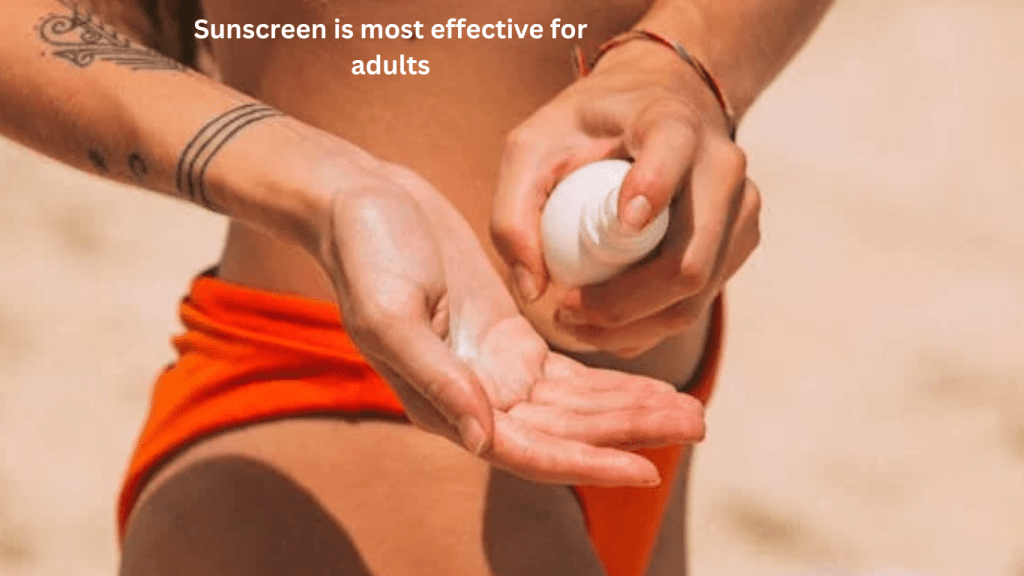
Even infants of dark-skinned complexion need some safety against solar. According to paediatricians, toddlers above six months of age require sunscreen on the skin, but their smooth skin calls for sunscreens’ utility. But for babies, much less than six months vintage with smaller sizes, shades, and dressing is how to guard themselves. Even one’s households travelling as an own family also require preserving the contributors of the family blanket.
Other Articles


[…] Read more Click Here […]
[…] another layer of financial risk for international travelers heading abroad. Southwest does not currently guarantee that its domestic refund policies will apply to flights operated by its global partners. You must […]