
Introduction
Airlines around the world are trying to keep ticket prices high, even as jet fuel costs start to fall. In the past, airlines often increased fares when fuel prices went up and reduced fares when fuel became cheaper. But now many airlines want fare increases to remain in place for a longer time.
This change is affecting travelers, tourism, and the airline industry itself. Passengers are paying more for flights, while airlines are earning stronger profits after years of financial pressure during the pandemic.
Why Airlines Raised Ticket Prices
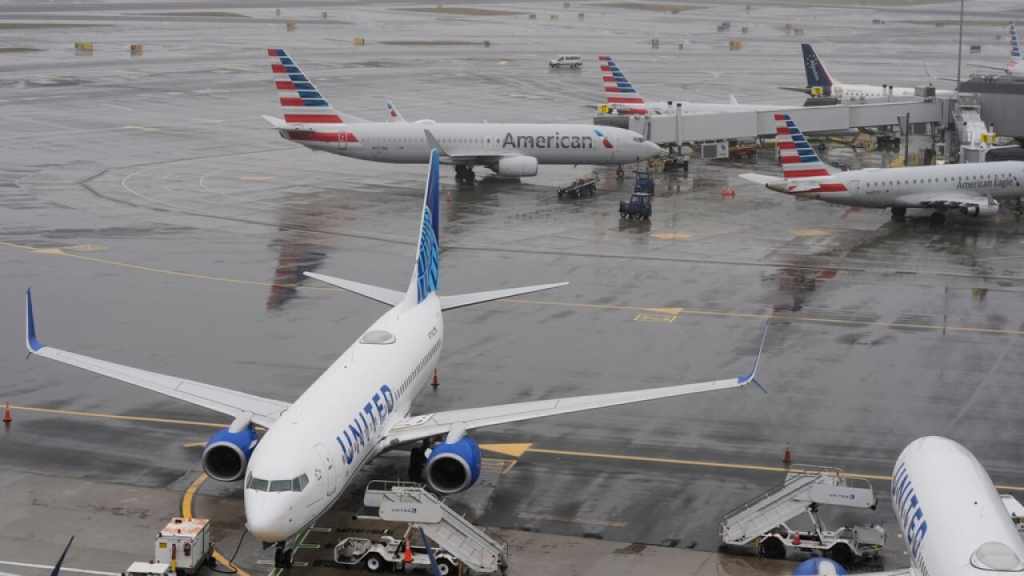
Airlines increased ticket prices over the last few years because operating costs became very expensive. Fuel prices rose sharply, and airlines also faced higher costs for labor, aircraft maintenance, airport charges, and staff salaries.
During the COVID-19 pandemic, many airlines suffered heavy losses. Flights were canceled, and travel demand dropped around the world. After travel restrictions ended, airlines started raising fares to recover their losses.
At the same time, travel demand increased quickly. More people wanted to travel for vacations, business meetings, and family visits. Airlines used this strong demand to keep ticket prices high.
Jet Fuel Costs Are Falling
Recently, jet fuel prices have started to decline in some markets. Normally, lower fuel costs should help reduce airline ticket prices. Fuel is one of the largest expenses for airlines, so cheaper fuel usually lowers operating costs.
However, many airlines are not lowering fares immediately. Instead, they are trying to maintain current ticket prices to improve profits and financial stability.
Airline companies believe passengers are still willing to pay higher prices because demand for travel remains strong.
Airlines Want Stronger Profits
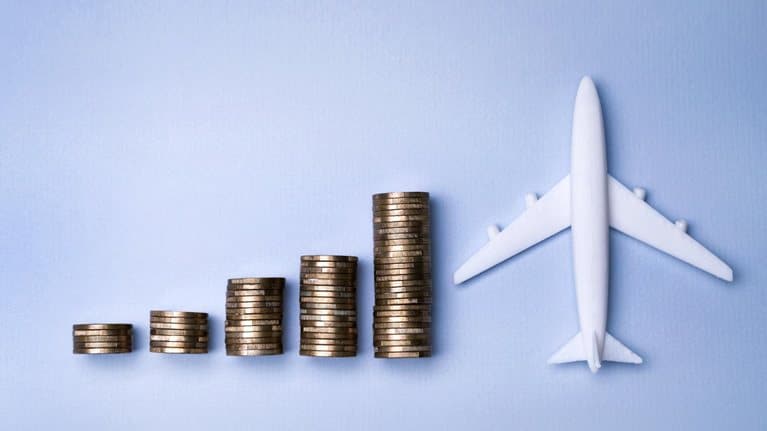
Airlines say they need stable profits to manage future risks. The industry often faces unexpected problems such as fuel price changes, economic slowdowns, weather disruptions, and labor shortages.
By keeping fares high, airlines can build stronger financial reserves. Some airlines are also investing in new aircraft, better customer service, and digital technology.
Many airline executives argue that higher fares help support long-term business growth and improve operations.
Travelers Feel the Pressure
Passengers are feeling the impact of expensive airfares. Family vacations, international trips, and business travel now cost more than before.
Some travelers are searching for cheaper alternatives, such as budget airlines, connecting flights, or traveling during off-peak seasons. Others are reducing travel plans completely because of rising costs.
Travel experts say consumers are becoming more careful about spending money on flights and holidays.
Competition May Affect Future Fares
Although airlines want fare increases to continue, competition in the market could eventually push prices down. Low-cost airlines often attract customers by offering cheaper tickets.
If travel demand slows or more airlines increase flight capacity, ticket prices may become more competitive again.
Government policies and economic conditions may also influence future airfare prices.
Conclusion
Airlines Looking for Fare are working hard to keep fare increases in place, even as jet fuel costs fall. They want to recover past losses, improve profits, and prepare for future challenges. While this strategy may help airlines financially, it is creating pressure for travelers who are paying more for flights.
The coming months will show if airlines can continue charging higher fares or if competition and changing travel demand will force prices to decrease.


