In 2026, travel photography has evolved beyond the pursuit of the “perfect shot.” Modern explorers now prioritize ethical storytelling and cultural sensitivity over social media engagement. A photograph can be a powerful bridge between worlds or a source of deep offense. Respectful photography is about honoring the dignity of your subjects and their traditions. This approach requires a shift from being a passive observer to an active, mindful guest. By following these principles, you can create images that are both visually stunning and ethically sound. Respectful photography ensures that your presence is a positive force in the local community. These tips will help you navigate the delicate balance of art and ethics abroad.
Prioritize Human Connection Over the Final Image
The most impactful cultural portraits always begin with a genuine human interaction. In 2026, the best photographers spend time building rapport before ever lifting their camera. A simple smile or a polite greeting can open doors that technology cannot. You should try to learn a few basic phrases in the local language first. This shows your subjects that you value their culture more than their image. Taking the time to chat fosters a sense of mutual trust and comfort. A comfortable subject will always result in a more natural and authentic photograph. Remember that the person in front of your lens is an individual, not a prop. Genuine connections are the true soul of great travel photography.
Always Seek Explicit Consent Before Every Shot
Seeking permission is the most fundamental rule of ethical travel photography today. In many cultures, taking a photo without asking is considered a major privacy violation. You should always ask “May I?” with a clear gesture or spoken request. If a person says no or seems hesitant, you must respect their choice immediately. Never try to take “candid” shots of people from a distance with long lenses. This practice is often perceived as intrusive and voyeuristic by local residents. Consent ensures that the photography process is a collaborative and respectful experience for everyone. It protects the dignity of the person you are hoping to photograph. Asking for permission often leads to much more intimate and powerful portrait opportunities.
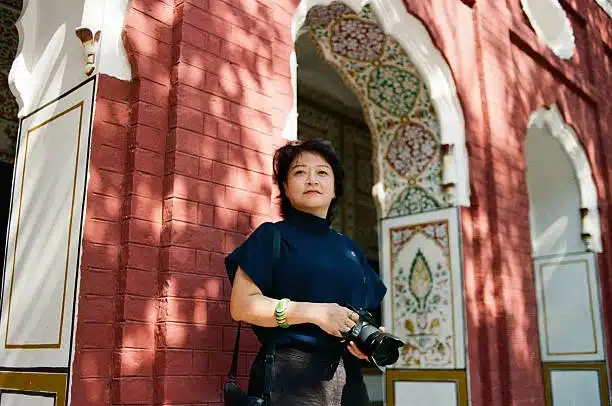
Understand Local Religious and Spiritual Taboos
Religious sites and rituals are often the most visually compelling parts of a journey. However, they are also the most sensitive areas for any visiting photographer in 2026. Many temples, mosques, and churches strictly prohibit photography during active prayer services. Some indigenous cultures believe that capturing an image can harm a person’s spirit. You must always look for posted signage or ask a local guide for guidance. Using a flash in sacred spaces is almost universally considered disrespectful and disruptive. Stay in the background and avoid blocking the path of those who are worshiping. Respecting the sanctity of these spaces is more important than any single image. Your silence and discretion are the greatest signs of respect you can offer.
Avoid Portraying Stereotypes or Vulnerable Moments
Ethical photography requires a conscious effort to avoid reinforcing harmful global stereotypes. In 2026, travelers are encouraged to look for the “nuance” rather than the “cliché.” Avoid focusing solely on poverty, suffering, or exoticized versions of local life. These images often strip subjects of their agency and tell a one-sided story. Instead, look for moments of joy, daily resilience, and modern cultural evolution. Never photograph people in vulnerable situations, such as bathing or during medical emergencies. Ask yourself if you would want to be photographed in a similar situation at home. Aim to capture the complexity and beauty of the local life you encounter. Responsible storytelling highlights our shared humanity rather than our superficial differences.
Respect Personal Space and Physical Boundaries
Every culture has a different definition of “personal space” and appropriate physical distance. In 2026, being an ethical photographer means being highly aware of these invisible boundaries. Avoid crowding your subjects or intruding on their private homes or artisan workshops. Use a lens that allows you to stay at a respectful and comfortable distance. If you are invited into a private space, always wait for a cue. Never touch local artifacts or move objects to create a “better” composition. Your physical presence should be as unobtrusive and gentle as possible during the shoot. Respecting boundaries shows that you are a guest who values local privacy. This mindful approach ensures that you remain a welcome visitor in the community.
Be Mindful of When to Put the Camera Away
One of the most important photography skills is knowing when to stop shooting. Some moments are too sacred, private, or intense to be viewed through a lens. In 2026, experts advocate for “presence” over “documentation” during deeply emotional cultural events. If you feel like your camera is creating a barrier, it probably is. Putting the camera away allows you to fully experience the beauty of the moment. It shows the people around you that you are truly present and respectful. This “mental photography” can often be more rewarding than any digital file. These uncaptured moments often become your most cherished and vivid travel memories. Knowing when to simply watch is a sign of a mature photographer.
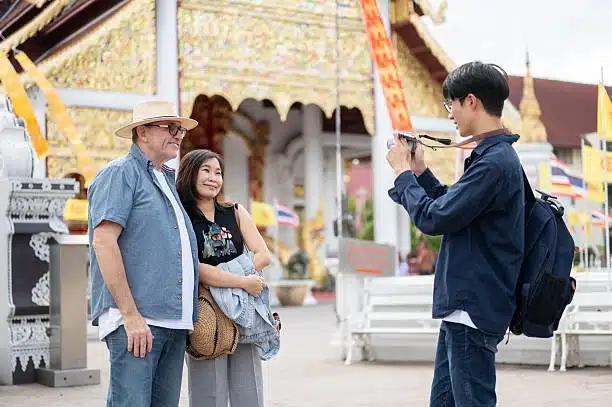
Offer Something Back to Your Subjects and Community
Photography should be a fair exchange rather than a one-way extraction of value. In 2026, many photographers find ways to give back to the people they photograph. This could involve sending digital copies of the photos to the subjects later. You can use an instant film camera to leave a physical print behind. If you are at a market, consider purchasing a small item from your subject. Avoid giving money to children for photos, as this can encourage a cycle of begging. Support the local economy by hiring a local guide for your photo tours. Showing gratitude for the time and access given to you is essential. A small gesture of thanks goes a long way in maintaining cultural goodwill.
Respect the Environment and Natural Landscapes
Cultural photography often takes place within sensitive and beautiful natural environments. You must ensure that your pursuit of a shot does not damage the landscape. In 2026, “Leave No Trace” principles apply to every aspect of travel photography. Stay on designated paths to avoid trampling local flora or causing soil erosion. Never disturb wildlife or local livestock just to get a more “dynamic” image. Be mindful of where you place your gear and how you move through space. Respect any local environmental regulations or restricted areas without any question. Your goal is to capture the beauty of the world without leaving a mark. Protecting the environment ensures that these cultural sites remain for future generations.
Conclusion: Becoming a Steward of Cultural Memory
Travel photography is a profound privilege that carries a significant social responsibility. In 2026, the world’s most respected photographers are those who lead with their hearts. By prioritizing respect and consent, you create images that have true integrity. You become a steward of cultural memory rather than just a consumer of sights. Your photos will reflect the warmth and depth of the connections you have made. This ethical approach enriches your own travel experience and honors your hosts. The world is a beautiful and diverse place that deserves our absolute best. Carry your camera with humility and use it as a tool for global understanding. Happy shooting and may your journey be filled with meaningful and respectful captures.
Other Articles

How Storytelling Is Redefining Modern Travel Content