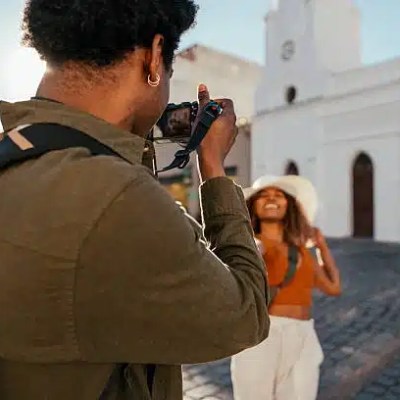
As international tourism to India surges in 2026, a new wave of local cultural regulations is emerging in the desert state of Rajasthan. Recent headlines have focused on a controversial move by a village panchayat in the Jalore district, which initially sought to ban smartphones for women in 15 different villages. While the specific smartphone ban was eventually withdrawn following public outcry, the incident has highlighted a growing tension between modern technology and deeply rooted traditional customs. For Black travelers visiting “The Land of Kings” this year, understanding these local sensitivities is essential for a respectful and smooth journey through India’s most vibrant state.
The Jalore Incident: A Modern Cultural Clash
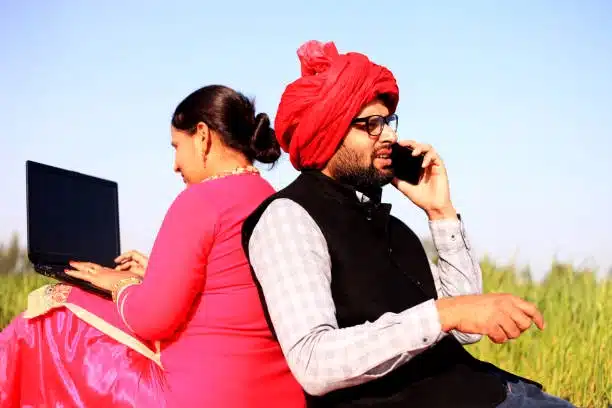
In late December 2025, the Sundhamata Patti Panchayat of the Chaudhary community issued a diktat prohibiting young women and daughters-in-law from using camera-enabled smartphones. The leaders argued that “mobile addiction” was harming children’s eyesight and distracting women from household duties. Though the ban was officially walked back in January 2026, it remains a powerful indicator of the conservative social climate in rural Rajasthan. For travelers, this serves as a reminder that what we view as a basic tool of communication can be seen as a disruptive influence in traditional or rural spaces.
Respecting Phone Etiquette in Sacred Spaces
While you likely won’t face a total ban on your smartphone as a tourist, Rajasthan’s religious sites have their own strict sets of rules. Many of the state’s most famous spiritual centers, such as the Brahma Temple in Pushkar or the Dilwara Temples in Mount Abu, strictly prohibit mobile phones and cameras inside the inner sanctums.
- Cloakrooms: Expect to leave your devices in secure lockers or at the “shoe counter” before entering.
- Photography: Even in areas where phones are allowed, always look for “No Photography” signs near altars or during live ceremonies.
- Silent Mode: As a courtesy, keep your device on silent or vibrate throughout the temple complex to maintain the meditative atmosphere.
Digital Privacy and the “Ask Before You Shoot” Rule
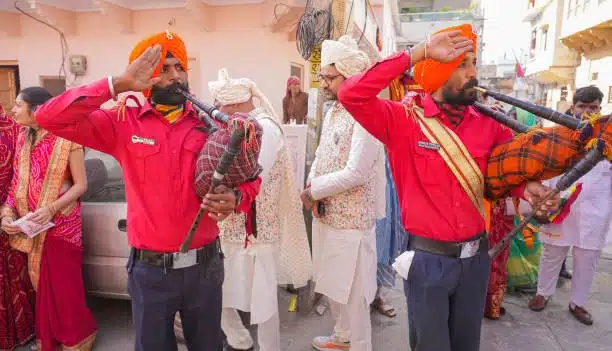
In the age of social media, the urge to capture every colorful street scene in Jaipur or Jodhpur is strong. However, Rajasthani culture places a high value on personal honor and privacy. This is particularly true in rural villages where outsiders are less common.
- Consent is Key: Always ask for permission before taking a photo of a local person, especially women or elders. A simple nod and a smile (accompanied by a gesture toward your phone) go a long way.
- Sensitivity to Poverty: Avoid the “poverty porn” trope; taking photos of people in vulnerable situations without their consent is considered deeply disrespectful.
- Military Zones: Be aware that using phones or cameras near border areas (like Jaisalmer) or military installations is strictly illegal and can lead to immediate detention.
Navigating the “Digital Divide” in Rural Areas
As you move away from the “Golden Triangle” of Jaipur, Agra, and Delhi, digital connectivity becomes less reliable. In rural Rajasthan, many locals still use basic keypad phones rather than smartphones. If you are a Black traveler venturing into these off-the-beaten-path areas, you may find that your high-end device draws significant attention.
- Offline Maps: Download your Google Maps for the entire region before leaving the city.
- Cash is King: While UPI (digital payments) is common in cities, rural vendors often lack the infrastructure for paperless transactions. Always carry small notes of Indian Rupees (INR) for local purchases.
Cultural Etiquette: Dress Codes and Greetings
Rajasthan is one of India’s most conservative states, and your physical presentation is often seen as a reflection of your respect for the culture.
- Modest Dressing: Both men and women should keep shoulders and knees covered when visiting temples or rural villages. A lightweight scarf (dupatta) is a versatile tool for both sun protection and cultural modesty.
- Greetings: Instead of a casual wave, use the traditional “Namaste” with folded hands. In Marwari-speaking areas, the greeting “Khamma Ghani” is a royal sign of respect that will instantly endear you to the locals.
- Right Hand Only: When eating or handing over your phone/ID to an official, always use your right hand. The left hand is traditionally considered “unclean” in Indian culture.
Satellite Phones and Drones: The 2026 Legal Warnings
It is crucial for international travelers to know that the Indian government has intensified its enforcement of communication laws in 2026.
- Satellite Phones: Bringing a satellite phone (like an Iridium or Thuraya) into India is strictly illegal for tourists. Possession can lead to heavy fines, immediate arrest, and even jail time.
- Drones: Unless you have a specific commercial license from the DGCA, flying a drone in Rajasthan is prohibited for foreign tourists. Customs officials at O’Hare and other major hubs are now actively screening for these devices in outgoing luggage.
Supporting the Local “Orange Economy” Ethically
The “Orange Economy” (the creative and cultural sector) is a major draw for tourists in Rajasthan. From folk dances to block-printing workshops, these experiences provide vital income to local artisans. When documenting these moments on your phone:
- Tag the Artist: If you post a video of a Kalbelia dancer or a puppet show, try to tag the local venue or community group to help their business.
- Be Present: Don’t let your screen get in the way of the experience. Many heritage hotels in 2026 are encouraging “digital detox” hours during traditional evening performances to foster a deeper connection between the guest and the land.
Conclusion
The phone restrictions in Jalore were a localized event, but they offer a broader lesson for the global Black traveler: cultural immersion requires more than just a passport. By respecting the digital boundaries of Rajasthan’s temples and villages, you honor the traditions that make this state so unique. Whether you are exploring the blue streets of Jodhpur or the sands of Jaisalmer, a mindful approach to technology will ensure your trip is remembered for its connections, not its conflicts. The true magic of Rajasthan isn’t found through a lens, but through the respectful “Ram Ram” shared with a local elder.
Other Articles

Why Experience-Focused Travel Is Replacing Luxury Vacations