As of early 2026, a significant shift in U.S. border policy is on the horizon that could fundamentally change how international visitors enter the country. U.S. Customs and Border Protection (CBP) has recently issued a bold proposal to expand the data collected from travelers using the Visa Waiver Program (VWP). If finalized, these rules would require applicants to provide five years of social media history and extensive biometric data. For Black travelers, who often navigate heightened scrutiny at international borders, these changes introduce new layers of digital privacy concerns. Understanding the scope of this proposal is the first step toward protecting your personal information during your next trip.
The Scope of the New Social Media Requirements
The proposed 2026 rule would make social media disclosure mandatory for travelers from the 42 countries currently in the Visa Waiver Program. Under the new guidelines, you would need to provide every social media handle used over the past five years. This includes profiles on major platforms like Instagram, X (formerly Twitter), and TikTok, as well as smaller niche forums. While the government claims it only reviews publicly available data, the policy has raised concerns about “ideological vetting.” Critics worry that perfectly legal political posts or social justice advocacy could be misinterpreted by automated screening tools.
Expanded Biometric Data: Selfies, DNA, and More
Beyond digital handles, the CBP proposal seeks to normalize the collection of sensitive “high-value” biometric identifiers at the border. Travelers would be required to upload a live “selfie” through the mandatory ESTA mobile app for facial recognition matching. The proposal even mentions the potential collection of fingerprints, iris scans, and DNA in certain “feasible” or secondary screening scenarios. This shift toward a “biometric-first” border aims to eliminate identity fraud and verify that the traveler matches their passport exactly. For many, the permanent storage of such sensitive genetic and physical data represents a significant privacy threshold.

A Transition to Mobile-Only Travel Applications
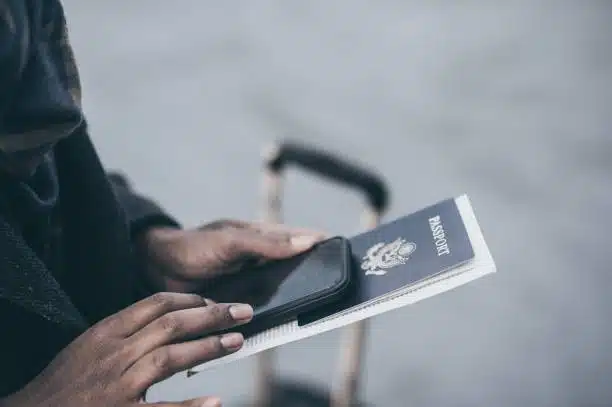
A major structural change in the 2026 proposal is the decommissioning of the traditional web-based ESTA application portal. The CBP intends to move all applications exclusively to the “ESTA Mobile” app to streamline identity verification processes. This app uses “liveness detection” technology to ensure that the photo you submit is a current, real-time image of yourself. While the app is designed for efficiency, it also requires users to grant the software access to their device’s camera and location. For travelers without modern smartphones or those in areas with poor connectivity, this “mobile-only” requirement could create new barriers.
Protecting Your Digital Footprint Before You Fly
In light of these potential 2026 rules, Black tourists should take proactive steps to manage their digital footprints before arriving. It is wise to review your social media accounts and ensure that your privacy settings are configured to your comfort level. Be aware that even “private” accounts are still subject to disclosure requirements regarding their handles or identifiers. Consider “cleaning” your devices of sensitive personal data or using a secondary “travel phone” for international journeys to minimize risk. Deleting old, unused apps or accounts can also reduce the amount of metadata you unintentionally share during the vetting process.
Navigating Secondary Screening and Device Searches
Even with an approved ESTA, border officers have the legal authority to conduct “secondary screenings” and search digital devices. In 2026, technology allows officers to use forensic tools that can extract data even from locked or encrypted phones. If you are asked to provide your password, you face a difficult choice between your privacy and your immediate ability to enter. Legal experts often suggest turning your phone completely off before reaching the checkpoint to trigger “at-rest” encryption protections. Always remember that while you have rights, the border is a zone where standard privacy expectations are significantly reduced.
Impact on 2026 World Cup and Group Travel
The timing of these proposals is particularly sensitive due to the upcoming 2026 FIFA World Cup hosted in North America. Millions of international fans are expected to flood U.S. airports, and many will be subject to these new vetting protocols. Group travelers and families should prepare for longer processing times as the system handles the massive influx of new data. If the proposal is finalized by the February 9, 2026, deadline, these rules will likely be in full effect for the tournament. Coordinating your group’s digital compliance early will be essential to avoiding delays at the gate.
Public Comment: How to Voice Your Concerns
The CBP has opened a public comment period for this proposal, which is currently scheduled to run until February 9, 2026. This is a rare opportunity for travelers, civil rights groups, and the general public to influence the final regulations. You can submit written feedback to the Department of Homeland Security regarding your concerns about privacy, bias, or technical hurdles. Collective pushback from the travel community has successfully modified or delayed overly intrusive border policies in the past. Your voice can help ensure that the future of travel remains both secure and respectful of individual privacy rights.
Conclusion
The 2026 U.S. travel proposal represents one of the most significant expansions of border surveillance in recent history. For Black tourists, the combination of mandatory social media disclosure and biometric tracking adds a new layer of complexity to the journey. By staying informed about the final rule and practicing “digital hygiene,” you can navigate these changes with confidence and security. As we move closer to the World Cup and a new era of travel, protecting your privacy is just as important as packing your passport. Let’s work together to ensure that the joy of exploration is never overshadowed by the fear of surveillance.
Other Articles

How Streamers Are Rewriting Africa’s Narrative Through Media and Travel
BOSK, The Black-Owned Burger Spot in Southwest Atlanta You Need to Try