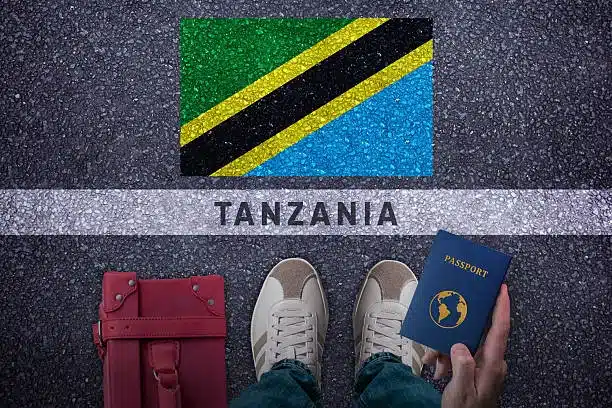
Effective January 1, 2026, the United States has partially suspended visa issuance for Tanzanian nationals. This decision follows Presidential Proclamation 10998 signed by President Donald J. Trump. The move significantly impacts tourism, business, and study opportunities for Tanzanians traveling to America. For the global Black travel community, this shift raises concerns about increasing barriers to connectivity. Understanding these specific rules is vital for anyone planning international reunions or educational exchanges.
The Scope of the 2026 Visa Suspension
The new policy targets specific non-immigrant and immigrant visa categories for Tanzanian citizens. B-1 and B-2 visas for tourism and short-term business are now suspended. F, M, and J visas for students and exchange visitors are also restricted. Most immigrant visas for those seeking permanent U.S. residency are also halted. This proclamation aims to address perceived deficiencies in screening and vetting procedures. It also cites high visa overstay rates among Tanzanian travelers in recent years.
Key Exemptions and Who Can Still Travel
The suspension does not apply to all Tanzanian nationals under the current 2026 rules. Dual nationals using a passport from an unaffected country may still apply for visas. Lawful permanent residents, also known as green card holders, are not subject to these rules. Participants in major international sporting events like the Olympics are also exempt. Special Immigrant Visas for U.S. government employees remain available at this time. Always verify your specific status before booking any travel to the United States.

Impact on Existing Valid Visas
The proclamation does not invalidate visas issued before January 1, 2026. If you already hold a valid visa, it remains active and usable. The U.S. government has explicitly stated that no existing visas will be revoked. However, travelers may face enhanced screening at ports of entry during their arrival. It is wise to carry extra documentation to prove your travel intent clearly. Staying informed about these nuances can prevent stressful delays during your next journey.
Vetting Deficiencies and National Security Goals
President Trump cited “persistent and severe deficiencies” in vetting as a primary reason for the ban. The U.S. claims Tanzania lacks sufficient information-sharing protocols for criminal and civil records. Unreliable government travel documents were also mentioned in the official presidential fact sheet. These measures are intended to protect national security and public safety interests. The government aims to induce greater cooperation from foreign nations regarding vetting improvements. This focus on data security is a defining feature of 2026 border policies.
The Introduction of High-Value Visa Bonds
Starting in late 2025, some Tanzanian travelers must now post a significant financial bond. This bond can reach up to $15,000 for certain B-1 and B-2 visa applicants. Consular officers determine the bond requirement on a case-by-case basis during the interview. The goal is to discourage visitors from overstaying their authorized period of stay. This financial requirement adds a massive barrier for many families wanting to visit the U.S. It represents a shift toward wealth-based travel access in the modern era.
Higher Scrutiny and Public Charge Reviews
A separate policy starting January 21, 2026, further complicates immigrant visa processing. The Department of State has paused immigrant visas for 75 countries, including Tanzania. This pause allows for a “public charge” review of all immigration procedures. The goal is to ensure immigrants do not rely on U.S. public benefits. While this specific pause only affects immigrant visas, it signals a trend of heightened scrutiny. Travelers should expect more rigorous financial questioning during any future visa interview processes.
The Role of Diaspora Advocacy and Support
The Tanzanian diaspora in the U.S. is mobilizing to support those affected by these bans. Legal clinics and community forums are helping families understand their remaining travel options. Many advocacy groups are calling for a balanced approach that protects security and family unity. These organizations provide a vital lifeline for those separated from their loved ones across borders. Strengthening these community networks is more important than ever in the 2026 travel landscape. Sharing information across the diaspora helps combat the confusion caused by rapid policy changes.
Navigating the Interview Waiver Suspension
As of late 2025, the U.S. has also suspended the interview waiver policy for Tanzanians. This means almost all visa renewals now require a face-to-face meeting at the embassy. This change increases the wait times for appointments and adds to travel costs for applicants. It also gives consular officers more opportunities to conduct thorough, in-person vetting of all travelers. For many, this adds another layer of stress to an already difficult application process. Planning your travel months in advance is now a absolute necessity for success.
Educational Challenges for Tanzanian Scholars
The suspension of student and exchange visas hits the academic community particularly hard this year. Tanzanian scholars and students may find their dreams of studying in the U.S. temporarily delayed. Many universities are working to provide remote learning options for those caught in the ban. These academic hurdles limit the cross-pollination of ideas and innovation between the two nations. It also impacts the long-term career trajectories of many young African professionals and leaders. Education remains a powerful tool, but its global reach is currently being restricted.
The “Orange Economy” and Cultural Connectivity
These restrictions could dampen the growth of the creative and cultural “Orange Economy” between nations. Business conferences often serve as vital bridges for the global Black diaspora. Losing the ability to easily visit family or attend workshops limits these cultural connections. Many advocates worry these barriers will hurt long-term diplomatic and economic relations. The 2026 travel landscape is increasingly defined by these digital and physical borders. Maintaining ties will require more creative and resilient methods of communication.
Future Outlook and 180-Day Reviews
The U.S. government is required to review these travel restrictions every 180 days. This means the status of Tanzanian travelers could change by mid-2026. Restrictions may be lifted if the Tanzanian government improves its vetting and information-sharing practices. Continued engagement between the two nations is essential for restoring standard travel access. Travelers should monitor official U.S. Embassy updates for any shifts in these policies. Flexibility and up-to-date information are your best tools in this changing environment.
Advice for Travelers in the New Era
If you are a Tanzanian national, consult with an immigration attorney before making any travel plans. Ensure all your documentation is current and reflects your true travel intentions and ties home. For those in the U.S., keep your family members updated on the latest policy announcements. Consider alternative meeting locations in countries with fewer travel restrictions for Tanzanian citizens. This proactive approach helps maintain family connections while navigating complex international laws. Being prepared is the best way to handle the challenges of 2026 travel.
Conclusion
The 2026 U.S. visa suspension for Tanzanians reflects a broader trend of tightening global borders. While security is the stated goal, the impact on families and students is undeniable. For the Black travel community, these rules necessitate more careful planning and legal awareness. By staying informed about exemptions and upcoming reviews, you can navigate these hurdles effectively. The future of global movement depends on how nations balance safety with the need for connection. Let’s stay informed and support our community through these evolving travel challenges.
Other Articles

2025’s Best Hotel in the World Is a Luxury Waterfront Skyscraper
Americans Among Foreign Tourists Stranded on Desert Island in Yemen