
In a significant shift for the boutique aviation sector, JetBlue Airways and the semi-private charter carrier JSX have officially announced the termination of their long-standing loyalty program partnership. Effective February 28, 2026, members of JetBlue’s TrueBlue program will no longer be able to earn points on JSX-operated flights. This move marks the end of a relationship that began in 2016, when JetBlue made a strategic equity investment in the carrier (then known as JetSuiteX). The decision comes as both airlines pivot toward new strategic priorities and larger-scale alliances in a rapidly evolving post-pandemic travel market.
Important Deadlines for TrueBlue Members
The wind-down of the partnership follows a strict timeline that travelers must adhere to if they wish to maximize their remaining benefits. The most critical date is February 28, 2026, which serves as the final day for TrueBlue members to apply their loyalty numbers to JSX bookings to accrue points. Any JSX flights flown or booked after this date will be ineligible for TrueBlue credit, regardless of when the ticket was originally purchased.
Historically, the partnership allowed JetBlue customers to earn a modest amount of points—typically up to 250 points per segment—on JSX’s “hop-on” jet service. While the partnership never allowed for the redemption of TrueBlue points for JSX flights, it served as a valuable “earn-only” bridge for West Coast travelers. JetBlue has confirmed that it will continue to honor its equity stake in JSX, and a JetBlue executive will remain on the JSX board of directors, suggesting that while the loyalty tie-up is ending, the corporate relationship remains intact.
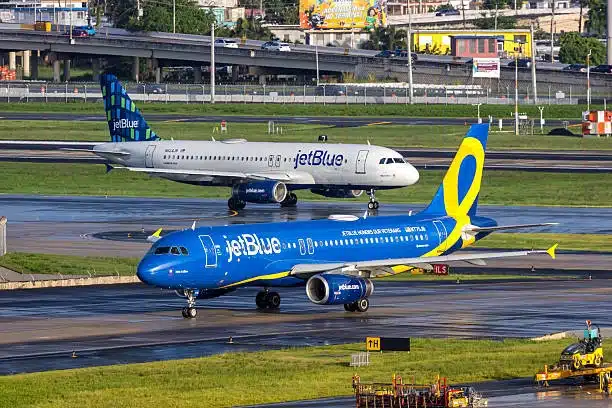
The Shift Toward “JetForward” and the United Alliance
The termination of the JSX pact is a direct result of JetBlue’s new “JetForward” strategic plan. Under the leadership of CEO Joanna Geraghty, JetBlue is aggressively refocusing its resources on returning to consistent profitability and streamlining its operational costs. A central pillar of this strategy is the airline’s new, more robust loyalty partnership with United Airlines, which received Department of Transportation approval in late 2025.
By prioritizing its alliance with United, JetBlue offers its TrueBlue members a significantly broader network and more comprehensive reciprocal benefits, such as priority boarding and potential seat upgrades. In this new landscape, the niche JSX partnership was viewed as a “nice-to-have” rather than a core revenue driver. JetBlue is also ending several other international loyalty ties, including its partnership with Japan Airlines (JAL) on March 31, 2026, signaling a total overhaul of how TrueBlue members interact with partner carriers.
JSX’s Transition to the “Club JSX” Program
While losing JetBlue as a loyalty partner might seem like a setback for JSX, the carrier is actually leaning into its own independent growth. JSX CEO Alex Wilcox recently highlighted that the airline is prioritizing its own rewards system, Club JSX, which debuted in 2025. The airline aims to move away from third-party loyalty dependencies to build a more direct relationship with its frequent flyers.
Club JSX offers a compelling alternative to traditional airline miles:
- Cash-Back Style Rewards: Members earn 5% back on base fares, seat assignments, and even pet fees.
- Simplified Redemptions: Unlike complex airline award charts, Club JSX rewards function like cash credits for future flights.
- Family Pooling: The program allows up to five members to pool their rewards, making it highly attractive for families and small groups. Wilcox noted that nearly half of all JSX bookings now include a Club JSX number, as travelers find the 5% value significantly more lucrative than the 250 TrueBlue points previously offered.
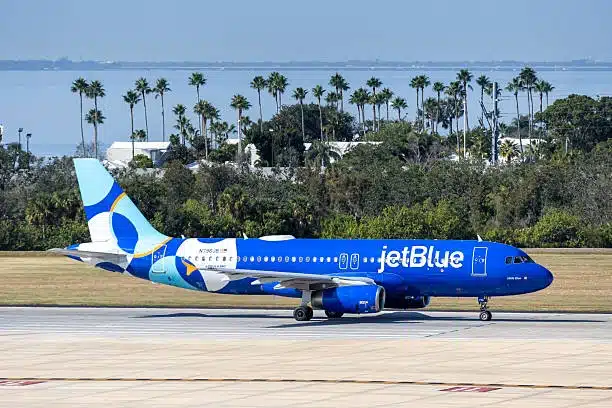
Alternative Options for Earning Miles on JSX
For travelers who prefer to earn mainstream airline miles rather than JSX-specific credits, options still remain. JSX continues to maintain its partnership with United Airlines MileagePlus. This means that even after the JetBlue partnership expires, passengers can still credit their JSX flights to United.
Earning rates for United MileagePlus members on JSX are generally more generous than the outgoing JetBlue rates:
- Full Fare Classes (Y, B, E, etc.): Earn 100% of miles flown.
- Mid-Tier Fares (W, G, Q): Earn 75% of miles flown.
- Discount Fares (N, H, P): Earn 50% of miles flown. Because JetBlue and United now have their own reciprocal loyalty agreement, travelers may still find indirect ways to use their JSX-earned United miles to eventually book JetBlue-operated flights, providing a complex but functional workaround for loyalists of the New York-based carrier.
Conclusion: A New Era of Boutique and Mainline Travel
The end of the JetBlue-JSX partnership is a clear indicator of the “unbundling” of niche airline alliances. As JetBlue scales up its partnership with United to compete with the likes of Delta and American, and as JSX matures into a standalone brand with its own loyal following, the need for a shared loyalty bridge has diminished. For the consumer, this transition means a loss of simplicity but a potential gain in value through more specialized programs like Club JSX. Travelers have until the end of February to close out their TrueBlue earnings before the two carriers officially part ways in the loyalty space.
Other Articles


