
The era of restricted gate access is finally coming to an end across the United States. For the first time since the 2001 security changes, non-travelers can now walk loved ones to their gates. This shift marks a major return to the nostalgic days of airport greetings and family farewells. Several major hubs have launched specialized visitor pass programs to facilitate this new level of access. By early 2026, these initiatives have spread to dozens of airports from Orlando to Seattle. This trend represents a significant change in how the public interacts with modern aviation infrastructure.
The Return of the Airport Visitor Pass
For decades, only ticketed passengers could pass through the rigorous TSA security checkpoints at most major airports. New “Visitor Pass” programs are now breaking this long-standing barrier for the general public. These programs allow non-ticketed individuals to shop, dine, and explore the secure side of the terminal. Many people use these passes to surprise arriving friends or assist elderly relatives with their heavy bags. The move aims to restore the social and emotional connections often lost in busy modern terminals. Airports are transforming from sterile transit points back into vibrant community gathering spaces once again.
How to Apply for Secure Area Access
Gaining access to the secure side of the airport still requires a formal and digital application process. Most participating airports require visitors to apply online at least twenty-four hours before their planned visit. You must provide your full legal name, date of birth, and social security number for vetting. The TSA conducts a background check to ensure every visitor meets national security standards for entry. Once approved, you receive a digital pass directly on your mobile device to show at the checkpoint. This process ensures that convenience does not come at the expense of passenger safety or security.
Participating Airports Leading the Trend
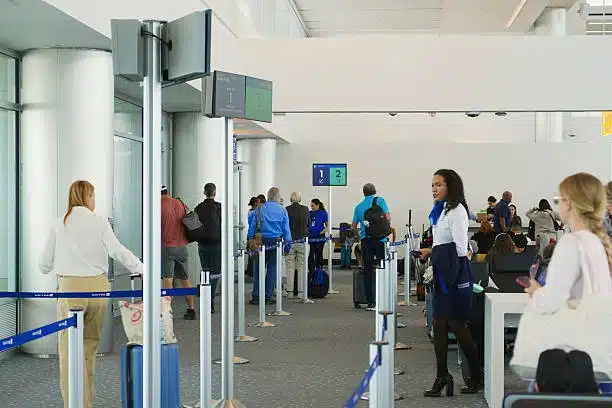
Major travel hubs like Orlando International (MCO) and Seattle-Tacoma (SEA) are leading the way with permanent programs. Orlando’s “Experience MCO” program allows guests to visit any terminal to enjoy world-class shopping and dining. Seattle’s visitor pass is limited to a set number of people per day to maintain terminal efficiency. Philadelphia International recently launched its “Wingmate Pass” to help people escort family members directly to their gates. Smaller regional airports are also joining the movement to boost revenue for their post-security retail partners. More airports are expected to announce similar programs throughout the remainder of the 2026 calendar year.
Navigating TSA Checkpoints Without a Ticket
Visitors must still follow the exact same security protocols as passengers who are flying that day. This means you must remove your shoes, electronics, and liquids during the standard TSA screening process. You are still subject to the 3-1-1 rule for any gels or aerosols in your bag. Prohibited items like pocket knives or large tools remain strictly forbidden for everyone entering the secure zone. Security officers will scan your digital visitor pass and verify your identity with a government-issued photo ID. Expect the screening process to take just as long as it does for regular ticketed travelers.
Boosting Airport Revenue Through Retail and Dining
One of the primary drivers behind these new programs is the desire to increase airport concession sales. Non-travelers represent a massive and previously untapped market for high-end airport boutiques and luxury restaurants. Many airports now feature award-winning chefs and unique local shops that were previously inaccessible to locals. By allowing the public inside, airports can compete with traditional shopping malls and entertainment districts. This extra foot traffic helps support local jobs and boosts the overall economic health of the region. Visitors often spend money on meals and souvenirs while waiting for their loved ones to land.
Strict Capacity Limits and Operational Constraints
To prevent overcrowding, most airports impose strict daily limits on the number of visitor passes issued. Some terminals only allow non-travelers during off-peak hours when passenger volume is relatively low. For example, some programs restricted entry to the hours between 10:00 a.m. and 4:00 p.m. daily. If an airport reaches its capacity, the online application system will simply close for that specific date. These limits ensure that ticketed passengers do not face longer lines or excessive gate congestion. Operational needs or security alerts can cause the temporary suspension of these programs without any prior notice.
The Emotional Impact on Families and Travelers
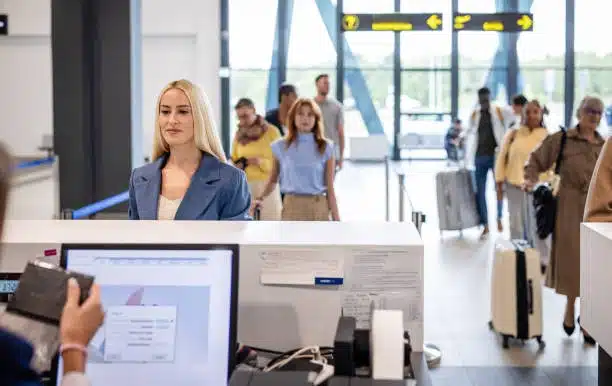
The ability to meet a spouse at the gate or see a child off is deeply meaningful for families. These programs reduce the stress of navigating a large and confusing airport terminal alone for many. For long-distance couples, the gate greeting is a cherished tradition that has been missing for twenty-five years. Assisting a nervous first-time flyer to their actual seat can provide immense peace of mind for parents. This human-centric approach to travel makes the entire experience feel more personal and less industrial. Many travelers report higher satisfaction scores at airports that offer these guest pass amenities.
Security Technology and the Future of Access
Advancements in biometric screening and digital ID have made these visitor programs much easier to manage. Facial recognition technology allows the TSA to track individuals as they move through the secure terminal area. High-tech scanners can now process people faster, reducing the bottleneck at the main security checkpoints. As these technologies continue to improve, the number of available visitor passes will likely increase. We may eventually see a day where most major U.S. airports offer some form of open access. The balance between open public spaces and high-security zones continues to evolve with every year.
Conclusion
Opening airport gates to non-travelers is a bold step toward a more open and connected society. These visitor programs bring back the joy and sentimentality that once defined the golden age of flight. While security remains a top priority, technology now allows for a more flexible and welcoming environment. Whether you are greeting a hero or sharing a final meal, the airport is once again a place for everyone. This change reflects a broader trend of making major infrastructure more accessible to the local community. The success of these programs in 2026 will determine the future of airport access for decades to.
Other Articles

Streamers and the Rise of Decentralized Media in Africa


