
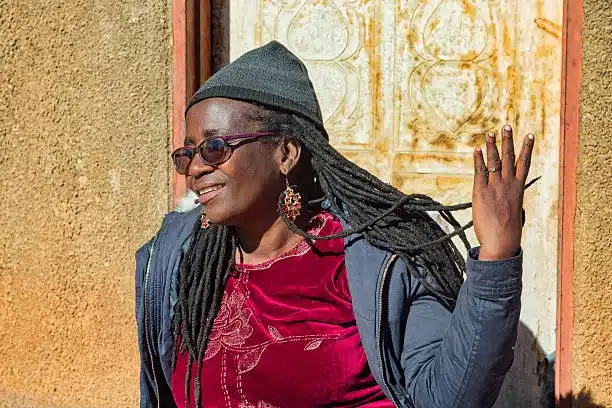
The travel landscape in 2026 confirms a powerful and resilient trend: women are reclaiming the world on their own terms. New industry data reveals that women now make up a staggering 84% of the global solo travel market, an increase from 71% just two years ago. Despite persistent headlines regarding global instability and personal safety, the desire for autonomy has never been higher. For many, traveling alone has shifted from a niche adventure to a fundamental act of self-care and empowerment.
Industry giants like Intrepid Travel and Booking.com report that this “solo surge” is not merely about visiting new places; it is about the freedom to move through the world without compromise. Women are no longer waiting for the “perfect partner” or a group of friends to coordinate schedules. Instead, they are leveraging their increasing financial independence and a “seize the day” mentality fueled by the realization that global circumstances can change in an instant. This shift represents a broader cultural movement where solo exploration serves as a rite of passage for women across all age demographics.
Safety Remains the Top Concern and Primary Barrier
Safety remains the most significant hurdle for women considering an independent journey. Recent 2026 surveys show that 65% to 88% of women cite personal safety as their primary concern when booking a trip. These fears often center on gendered risks, such as street harassment, scams, and physical threats. However, the data shows that rather than canceling their plans, women respond with meticulous, proactive preparation.
Modern solo travelers prioritize destinations with low crime rates and high gender equality scores. This “safety-first” mindset has created a booming market for specialized travel insurance and secure, female-only accommodations. Many women now seek out hotels that offer 24-hour security, well-lit corridors, and “female-only” floors. This strategic approach to safety allows women to navigate high-risk perceptions without sacrificing their travel goals. For many, the act of successfully managing these risks becomes a core part of the empowering experience, building a level of resilience that translates into their professional and personal lives back home.
The Rise of the “Me-Moon” and Wellness Retreats
The 2026 data highlights a fascinating shift in travel motivations: the rise of the “Me-Moon.” Unlike traditional solo trips, “Me-Moons” focus on emotional resets and celebrating personal milestones. Women increasingly use solo travel to navigate major life transitions such as career changes, retirement, or the end of a long-term relationship. Wellness retreats in Bali, Sedona, and Portugal are seeing record-breaking bookings from independent female travelers who are looking to reconnect with themselves.
These journeys prioritize mental clarity and physical health over traditional, fast-paced sightseeing. Data from Grand View Research suggests that 68% of women travel solo specifically to experience personal growth, while 78% do so for self-care and relaxation. The “Me-Moon” is essentially an investment in one’s own mental health, providing a quiet space to reflect, heal, and breathe away from the expectations of others. As women prioritize their own needs and passions—often after years of nurturing careers or families—the solo wellness journey has become a hallmark of the modern travel experience.

Technology as a Digital Safety Net
Advances in technology play a critical role in calming safety fears for 2026 travelers. Smartphone apps now offer real-time location sharing, “liveness detection” for rideshare verification, and instant translation features. Specialized apps like NomadHer and TravelSafe SOS provide 24-hour emergency support and community-vetted advice on which neighborhoods to avoid.
Many women rely on these digital networks to vet destinations before they arrive. Online communities allow travelers to receive “boots-on-the-ground” advice from other women who have recently visited the area, creating an unspoken sense of global solidarity. Furthermore, AI-driven travel planners help women map out well-lit, high-traffic routes in unfamiliar cities, reducing the risk of getting lost in isolated areas. This digital connectivity provides a layer of security that simply did not exist a decade ago, turning a smartphone into a powerful tool for confidence and independence.
Safest Destinations for Solo Female Travelers in 2026
When it comes to destination choice, safety rankings are the most influential factor. For the 14th consecutive year, Iceland remains the top-rated country for solo female travelers due to its virtually non-existent violent crime and high gender equality. However, 2026 has seen the rise of new, surprising hotspots.
| Country | Why It Ranks High in 2026 |
| Japan | Efficient public transit and a culture of deep social respect. |
| Greece | Known for incredible hospitality and safety in rural island villages. |
| Saudi Arabia | Rising popularity due to clear cultural guidance and modern infrastructure. |
| Switzerland | Reliable infrastructure and extremely low harassment rates. |
| Slovenia | Emerging as a safe, nature-focused “hidden gem” in Europe. |
These destinations offer a balance of cultural depth and ease of navigation, making them ideal for both first-time and experienced solo travelers.
The Financial “Single Supplement” Challenge
While safety is a mental barrier, the “single supplement” remains a significant financial one. Solo travelers frequently pay 18% to 100% more for accommodation compared to those traveling in pairs. This additional premium, often charged by cruises and traditional hotels, is increasingly seen as a discriminatory relic of the past.
In response, the travel industry is finally beginning to adapt in 2026. Many boutique hotels are introducing solo-specific rooms and “no-supplement” weeks to attract this loyal and growing demographic. Brands like Rick Steves have even introduced flat-rate daily supplements to make solo travel more predictable and affordable. Women-only tour operators are flourishing, offering group safety with the privacy of individual rooms without the traditional price gouging. This economic shift acknowledges that the solo female traveler is a high-value customer who deserves respect and fair pricing.
Inclusive Solo Travel: Supporting the Neurodivergent
A new segment of solo travel emerging in 2026 focuses on neuro-inclusive experiences. Many women on the autism spectrum or those with sensory processing disorders are finding that solo travel allows them to control their environment more effectively than group travel. Hotels are responding by providing sensory guides and quiet zones, allowing these travelers to manage their energy levels without social pressure.
By removing the need to negotiate schedules or social interactions, solo travel becomes an ideal way for neurodivergent women to explore the world at their own pace. This trend highlights how the industry is moving toward a more nuanced understanding of “accessibility,” ensuring that travel is not just physically possible but emotionally sustainable for everyone.
Conclusion: Empowered Independence Over Fear
The data from 2026 sends a clear message: fear will not stop the modern woman from exploring. While safety concerns remain a reality, women are meeting them with courage, community, and better technology. The massive surge in solo female travel indicates a global shift toward female independence and self-trust. Women are no longer waiting for permission or company to see the world; they are trusting their instincts and doing the research.
As the travel industry continues to evolve, the world is becoming a safer and more welcoming place for those who dare to go it alone. Whether it is a “Me-Moon” for self-discovery or a high-octane adventure in a newly opened destination, solo female travel is here to stay.
Other Articles
Iran Leader Declares “Full-Fledged War” With U.S., Israel and Europe
Who Knew Restoration Hardware Was Serving More Than Furniture?


