
The U.S. Transportation Security Administration has announced a new rule that affects millions of passengers. TSA Plans to introduce an $18 fee for anyone who arrives at airport checkpoints without a Real ID. The deadline for nationwide enforcement is getting closer, and officials want travelers prepared. TSA says the fee will help cover verification steps needed for those who lack compliant identification. Many passengers are concerned about confusion, delays, and added travel costs. TSA Plans to roll out the rule with clear instructions to avoid chaos during busy travel seasons. Airlines and airport staff are preparing for questions and longer lines. Travelers now face a new urgency to update their documents. The new policy is already shaping conversations across the country, as TSA Plans a major shift in airport security procedures.
Why TSA Plans to Enforce the Real ID Fee
Real ID has been a long-delayed federal requirement, and the government now aims for full enforcement. TSA Plans to push compliance because outdated IDs pose challenges for security screening. Passengers without Real ID require extra verification, which slows down lines and increases workload for officers. Officials say the $18 fee encourages travelers to update their documents before the deadline. TSA stresses that Real ID helps prevent identity fraud and improves national security. Travelers who fail to bring proper identification will still be allowed to fly after paying the fee and completing special checks. TSA Plans to use the collected funds to support staffing and equipment needed for on-site ID verification. Officials want smoother processes and fewer disruptions at checkpoints. The fee also signals that the agency expects full cooperation before the enforcement date arrives. TSA Plans for this policy to create a stronger and more consistent security system nationwide.
How the New Fee Will Affect Travelers
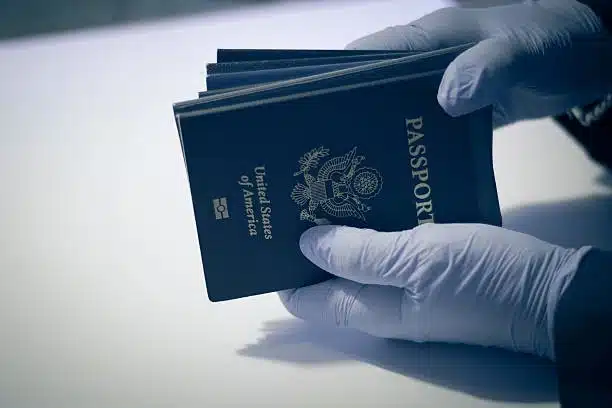
The new rule changes the way many passengers prepare for flights. TSA Plans to apply the fee to all domestic travelers who show up without compliant identification. This means passengers must check their wallets, passports, and licenses carefully before heading to the airport. The $18 charge will be processed at the checkpoint, adding time to the screening experience. TSA officers will confirm identity through databases and additional questioning. TSA Plans to ensure the process remains quick and safe, but longer lines may occur during peak travel days. The policy affects tourists, business travelers, students, and occasional flyers. Large airports expect more challenges because they handle higher passenger volumes. TSA Plans training sessions for staff to handle the updated procedures with clarity. Travelers should expect more announcements and signs explaining the steps. This change reminds everyone to prepare early and avoid last-minute surprises.
Airports Prepare for the New Verification Process
Airports across the country are adjusting staffing levels to meet new demands. TSA Plans to equip checkpoints with upgraded systems designed for rapid identity confirmation. Airport directors say early planning is essential to avoid operational delays. Many facilities are scheduling extra team members during the first months of implementation. TSA Plans increased communication campaigns inside terminals so passengers understand the rules before reaching the front of the line. Signs, digital displays, and audio reminders will guide travelers step by step. Airport announcements also encourage passengers to take out their IDs before screening. TSA Plans a coordinated effort with airlines to reduce confusion at check-in counters. Airports are working to ensure this transition remains smooth. Transportation officials hope preparation will minimize frustration as passengers adapt to the new requirements. TSA Plans this nationwide rollout with expectations of steady improvement over time.
Public Reaction and Growing Debate
The new fee has sparked strong reactions across social media and public forums. Many travelers say the government should provide free verification because Real ID rollout delays were not their fault. Others argue the $18 charge is a reasonable cost for added security measures. TSA Plans have stirred debate about whether the rule is fair, especially for people who travel rarely. Some passengers feel stressed about keeping documents updated. Others say the policy encourages responsibility and reduces security risks. News outlets have highlighted stories from travelers who worry about increased expenses. TSA Plans are now central to discussions about identification, federal requirements, and airport security experiences. Experts believe public reaction may soften once travelers become familiar with the system. For now, tension remains high as passengers prepare for changes. TSA Plans to release more details soon to address concerns and reduce confusion.
Advice for Travelers Preparing for the New Rule
Travel experts emphasize that preparation is the most effective way to avoid frustration. TSA Plans to enforce the rule fully, so travelers must check their identification before every trip. Passengers should apply for a Real ID as soon as possible to prevent last-minute issues. State motor vehicle offices offer appointments for Real ID upgrades, and many locations allow online scheduling. Travelers should verify their documents weeks before their flights. TSA Plans additional guidance on official websites to help people understand the process. Passengers can also use passports as compliant identification if they prefer not to update their driver’s licenses. Parents should check ID needs for teens and young adults traveling alone. Travelers who follow these steps will move through checkpoints faster and avoid the $18 fee. TSA Plans clear communication to help the public navigate this transition. Awareness and preparation remain the best tools to prevent delays and stress.
Long-Term Impact on Travel Security
The Real ID enforcement marks a major shift in U.S. airport security standards. TSA Plans to integrate stronger identification measures into future screening systems. Officials believe this change will reduce fraud and strengthen national security. The $18 fee is expected to be temporary as compliance improves over time. In the long term, travelers will face fewer disruptions once the majority of passengers carry Real ID or passports. TSA Plans more investments in biometric systems, digital identity tools, and advanced screening technology. These updates aim to create a faster and safer travel environment. Security experts say Real ID is only the first step toward a modernized system. TSA Plans to expand secure identity programs, making travel safer for everyone. The agency hopes future upgrades will reduce the need for manual verification and extra fees. Real ID compliance may soon become standard practice across all travel sectors. TSA Plans a future where streamlined IDs support efficient and secure travel.
Conclusion
The new $18 fee signals a major shift in airport procedures as TSA Plans nationwide Real ID enforcement. The policy pushes travelers to update their documents and stay prepared before flights. Airports, airlines, and security teams are coordinating to manage the transition with minimal disruption. TSA Plans steady improvements in communication and technology to help speed up the process. Travelers who prepare early will avoid delays, stress, and extra costs. The rule marks a new chapter in airport security, emphasizing responsibility and stronger identification standards. TSA Plans a smoother and safer travel system built on accurate identity verification. Awareness, early action, and cooperation will help passengers move through checkpoints with confidence.
Other Articles

Sweden Sets Global Precedent with Doctor-Approved Travel Requirement
Countries Paid Millions by Trump Administration to Accept U.S. Deportees


